

WeVote

Bill

Bill

S 357

Federal Freeze Act

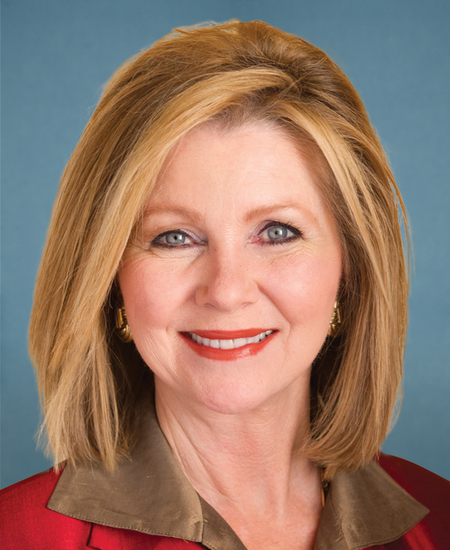
119th Congress Introduced by Marsha Blackburn

Bill S 357 empowers Certified Registered Nurse Anesthetists to provide anesthesia independently, improving access to care, especially in underserved areas.

Introduced in Senate
0
WeVote Research Nonpartisan
Bill Summary · S 357

Summary of Bill S 357: Certified Registered Nurse Anesthetists

Bill Number: S 357
Title: Relates to Certified Registered Nurse Anesthetists
Status: PRINT NUMBER 357B
Introduced: January 08, 2025
Classification: Bill

Purpose and Intent

Bill S 357 aims to enhance the role and recognition of Certified Registered Nurse Anesthetists (CRNAs) within the healthcare system. The legislation seeks to clarify the scope of practice for CRNAs, ensuring they can operate effectively and autonomously in providing anesthesia care. This bill is part of a broader effort to improve access to anesthesia services, particularly in underserved areas.

Key Provisions

  • Scope of Practice: The bill defines the specific responsibilities and authority of CRNAs, allowing them to administer anesthesia independently without the need for supervision by a physician in certain circumstances.

  • Education and Certification: It mandates that CRNAs must hold a master's degree or higher in nurse anesthesia from an accredited program and maintain certification through ongoing education and assessment.

  • Collaboration with Healthcare Teams: The bill encourages CRNAs to work collaboratively with other healthcare professionals, promoting a team-based approach to patient care.

  • Regulatory Framework: Establishes a regulatory framework for the practice of CRNAs, including guidelines for licensure, continuing education, and professional standards.

Who Would Be Affected

  • Certified Registered Nurse Anesthetists: The primary beneficiaries of this bill are CRNAs, who will gain greater autonomy and recognition in their practice.

  • Patients: Patients in need of anesthesia services, particularly in rural or underserved areas, may benefit from increased access to care provided by CRNAs.

  • Healthcare Facilities: Hospitals and clinics may see changes in staffing and operational protocols as CRNAs take on more responsibilities.

Legislative Timeline

  • January 08, 2025: Bill S 357 was introduced and referred to the Higher Education Committee.

  • February 03, 2025: The bill was amended and recommitted to Higher Education, resulting in PRINT NUMBER 357A.

  • May 28, 2025: Further amendments were made, and the bill was recommitted again to Higher Education, leading to PRINT NUMBER 357B.

Related Bills

  • S 5435: A prior-session bill that may have addressed similar issues regarding CRNAs.

  • S 769: Another prior-session bill that could be relevant to the practice of nurse anesthetists.

  • A 6771: A companion bill in the Assembly that aligns with the objectives of S 357.

This summary provides an overview of Bill S 357, highlighting its purpose, key provisions, and potential impacts on CRNAs and the healthcare system. As the bill progresses through the legislative process, further updates may refine its content and implications.

Compiled from official sources — confirm details with the bill’s official record.

Sign in to ask a question.