

WeVote

Bill

Bill

SB 4193

FARMER TAX BENEFIT ACT

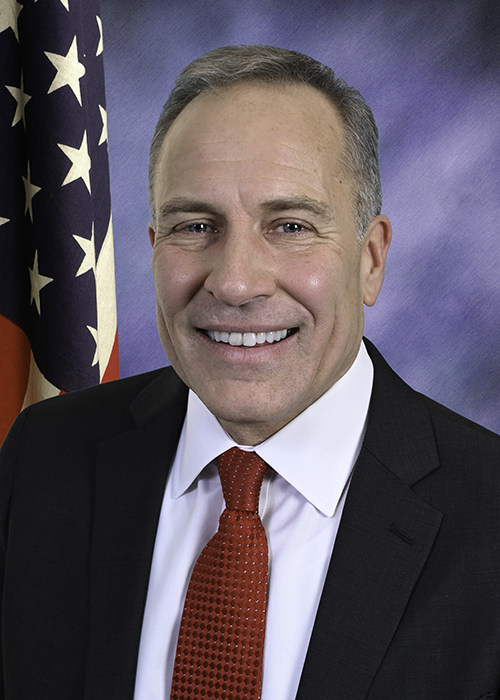
104th Regular Session Introduced by Chris Balkema and 20 co-sponsors

Illinois offers a tax credit up to 100% (or 50% for certain interests) of donated land protections to private conservation groups, capped annually at $7.5M.

Added as Co-Sponsor Sen. Dave Syverson
0
WeVote Research Nonpartisan
Bill Summary · SB 4193

Summary of SB 4193 (Farmer Tax Benefit Act) — Illinois, 104th General Assembly

Purpose and intent

SB 4193 creates a new tax credit program, the Illinois Land Protection Credit (referred to as the Land Protection Tax Credit), aimed at encouraging private landowners to protect and conserve land and natural resources in Illinois. The act recognizes the state’s natural, agricultural, and open-space resources as public assets and seeks to maintain Illinois’ competitive position by supporting private conservation actions, including carbon sequestration and habitat protection. The program is designed to be voluntary, with credits awarded for donations of land protections or interests in land to qualified conservation agencies.

Key provisions and changes

  • Credit authority and scope

    • Establishes the Land Protection Tax Credit for taxable years ending on or after December 31, 2027.
    • Credit amount: landowners may claim either
    • 100% of the fair market value of a qualified donation of a land protection agreement, or
    • 50% of the fair market value of a qualified donation of a fee simple interest or remainder interest in qualified real property.
    • The value must be supported by a qualified appraisal.
  • Credit cap and limits

    • Annual aggregate cap: up to $7,500,000 in total tax credits issued in any State fiscal year.
    • Per-donation cap: no more than $500,000 of credit may be claimed for any single qualified donation.
    • Credits are allocated on a first-come, first-served basis.
  • Credit administration and qualification

    • Administered by the Department of Natural Resources (DNR). The act sets rules for application, certification, and tracking of credits.
    • Landowners must submit an application with: qualified appraisal, deed transferring the interest, and, for pass-through entities, documentation of ownership duration (more than 3 years or qualifying family exceptions).
    • If public conservation funding supports the donation, the grant/award amount may deterministically secure the credit without further Department review.
  • Forms of qualified real property interests

    • Qualified real property interests include: fee simple, remainder, or land protection agreements, with perpetuity for conservation purposes.
  • Use of credits

    • Credits can be used in the tax year when the Department issues the tax certificate, and may be carried forward to future years if not fully utilized.
    • Option to transfer (sell/transfer) the tax credit to another taxpayer within one year of issuance, with a 3% transfer fee to the Department.
  • Department powers and reporting

    • DNR authority to adopt rules, process applications, and administer the program, including logging and tracking credits and issuing certificates.
    • Requires an annual (by 2032) public analysis/report on land protected and the value of protected land, to be filed with the General Assembly and Governor.
  • Definitions and clarifications

    • Defines key terms including conservation agency, landowner, qualified donation, and qualified real property interests.
    • Includes provisions for S-corporations and pass-through entities regarding applicability and holding periods.
  • Effective date

    • Immediate effectiveness upon becoming law.

Who is affected

  • Private landowners and entities that own land in Illinois and seek to donate an interest in land or a land protection agreement to a qualified conservation agency.
  • Qualified conservation agencies (as defined by the act) that can hold and manage protected land.
  • Taxpayers who may utilize or transfer the credit against Illinois income tax.
  • The Department of Natural Resources, which administers the credit program.

Procedural and timeline notes

  • Effective for taxable years ending on or after December 31, 2027.
  • Annual cap of $7.5 million in credits; application processes created, with first-come, first-served sequencing.
  • If the annual cap is exceeded, credits roll forward to the next year with an applicable effective date.
  • Requires the DNR to adopt rules within 12 months of the act’s effective date.
  • By December 31, 2032, the Department must publish a public report on land protection activity under the program.

Overall assessment

SB 4193 establishes a sizable, administratively managed tax credit program to incentivize voluntary conservation of private lands. It balances generous credit values (up to 100% for land protection agreements) with a defined yearly cap and per-donation limit, along with transferability to expand market accessibility for conservation funding. The act emphasizes accountability through appraisal requirements, Department rulemaking, and periodic public reporting.

Compiled from official sources — confirm details with the bill’s official record.

Sign in to ask a question.