

WeVote

Bill

Bill

S 179

FARM Act

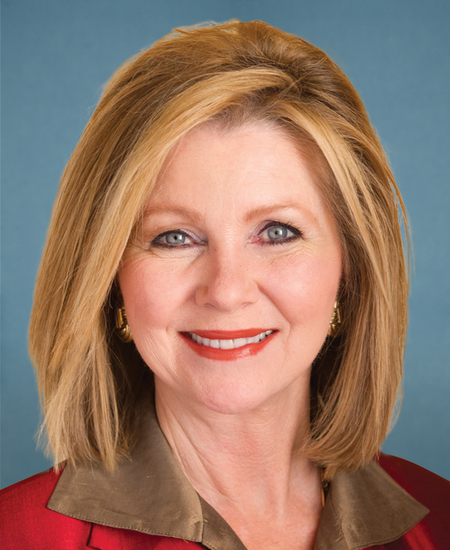
119th Congress Introduced by Marsha Blackburn and 12 co-sponsors

Bill S 179 provides financial allowances to families with young children to help cover diaper costs, promoting child health and easing economic burdens.

Introduced in Senate
0
WeVote Research Nonpartisan
Bill Summary · S 179

Summary of Bill S 179: Diaper Cost Allowances

Overview

Bill S 179 aims to address the financial burden of diaper costs for families by establishing allowances to help offset these expenses. The bill was introduced on January 8, 2025, and has been reported and committed to the Finance Committee as of April 29, 2025.

Purpose and Intent

The primary intent of Bill S 179 is to provide financial relief to families with young children by recognizing the essential nature of diapers and the associated costs. The bill seeks to ensure that all families have access to necessary hygiene products for their infants and toddlers, thereby promoting child health and well-being.

Key Provisions

While the specific provisions of the bill are not detailed in the provided information, the following are expected components based on similar legislation:

  • Allowance Structure: The bill may propose a specific financial allowance or subsidy for families to help cover the costs of purchasing diapers.
  • Eligibility Criteria: It is likely that the bill will outline eligibility requirements for families to qualify for the allowances, potentially based on income levels or the number of children in the household.
  • Administration: The bill may designate a state agency or department responsible for administering the allowance program, ensuring that funds are distributed effectively and efficiently.

Impact

Who Would Be Affected

  • Families with Young Children: The primary beneficiaries of this bill would be families with infants and toddlers who require diapers, particularly those facing financial hardships.
  • Child Welfare Organizations: Organizations that support child welfare may also be impacted, as they could see increased demand for services related to diaper distribution and education on the program.

Broader Implications

  • Public Health: By reducing the financial burden of diaper costs, the bill aims to improve public health outcomes for children, as access to clean diapers is crucial for preventing health issues.
  • Economic Relief: The bill could provide economic relief to low- and middle-income families, allowing them to allocate funds to other essential needs.

Legislative Process

  • Introduced: January 8, 2025
  • Referred to Committee: The bill was initially referred to the Children and Families Committee.
  • Current Status: As of April 29, 2025, the bill has been reported and committed to the Finance Committee, indicating that it is moving forward in the legislative process.

Related Legislation

Bill S 179 is part of a broader legislative effort, with several related bills from prior sessions, including:
- S 7809
- S 1318
- S 1086
- S 63
- S 1210
- A 405 (companion bill)

These related bills may provide additional context or support for the initiatives aimed at addressing diaper costs and child welfare.

This summary provides a clear understanding of Bill S 179, its purpose, key provisions, and potential impact on families and public health.

Compiled from official sources — confirm details with the bill’s official record.

Sign in to ask a question.