

WeVote

Bill

Bill

SB 726

False Reporting

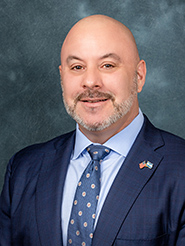
2025 Regular Session Introduced by Blaise Ingoglia and 1 co-sponsor

Florida law creates misdemeanor-to-felony criminal penalties for knowingly filing false reports to law enforcement, emergency services, or government agencies with intent to mislead.

Laid on Table, companion bill(s) passed, see CS/CS/HB 279 (Ch. 2025-60)
0
WeVote Research Nonpartisan
Bill Summary · SB 726

Legislative bill overview

SB 726 establishes criminal penalties for making false reports to law enforcement, government agencies, or emergency services. The bill creates graduated offenses based on whether the false report involves threats of violence, weapons, or other aggravated circumstances, with penalties ranging from misdemeanors to felonies.

Why is this important

False reports waste critical emergency response resources, divert attention from actual crimes, and can endanger public safety. This legislation attempts to create accountability and deterrence for individuals who knowingly file fraudulent reports, which has become more common with swatting incidents and malicious complaints targeting specific individuals.

Potential points of contention

  • Definitional ambiguity: The distinction between a "false report" and a mistaken or good-faith but inaccurate report may be difficult to prove, potentially chilling legitimate emergency calls
  • Enforcement discretion: Prosecutors and law enforcement will have significant discretion in determining what constitutes a knowing false report versus negligent misinformation
  • Impact on vulnerable populations: Individuals experiencing mental health crises, cognitive disabilities, or language barriers could be criminalized for reports that aren't intentionally false
  • First Amendment concerns: Some worry vague language could chill protected speech or complaints against government agencies

Compiled from official sources — confirm details with the bill’s official record.

Sign in to ask a question.