Summary of HR 5121: Fairness in Higher Education Accreditation Act
Overview
The Fairness in Higher Education Accreditation Act (HR 5121) is a legislative proposal aimed at reforming the accreditation process for higher education institutions in the United States. Introduced in the House on September 3, 2025, the bill seeks to enhance fairness and transparency in the accreditation system, which is crucial for ensuring educational quality and access to federal funding.
Purpose and Intent
The primary intent of HR 5121 is to address perceived inequities in the current accreditation process that may disadvantage certain institutions, particularly those serving underrepresented populations. The bill aims to create a more equitable framework that promotes diversity in higher education and ensures that all institutions have a fair opportunity to achieve accreditation.
Key Provisions
While the full text of the bill is not provided, the following key provisions are anticipated based on the bill's title and intent:
Reform of Accreditation Standards: The bill may propose adjustments to the standards and criteria used by accrediting agencies to evaluate institutions, ensuring they are fair and inclusive.
Transparency Requirements: Institutions may be required to disclose more information regarding their accreditation status, processes, and outcomes to students and the public.
Support for Diverse Institutions: The legislation could include provisions aimed at supporting historically black colleges and universities (HBCUs), minority-serving institutions (MSIs), and other schools that serve diverse populations.
Accountability Measures: The bill may establish mechanisms for holding accrediting agencies accountable for their decisions and processes, potentially including oversight by the Department of Education.
Affected Parties
The Fairness in Higher Education Accreditation Act would primarily impact:
Higher Education Institutions: Colleges and universities, particularly those that serve diverse student populations, would be directly affected by changes in accreditation standards and processes.
Students and Prospective Students: The bill aims to improve access to quality education for all students, making it easier for them to understand the accreditation status of institutions.
Accrediting Agencies: Organizations responsible for accrediting higher education institutions would need to adapt to new standards and transparency requirements.
Legislative Process and Timeline
- Introduced: September 3, 2025
- Referred to Committee: The bill has been referred to the House Committee on Education and Workforce for further consideration.
Sponsors
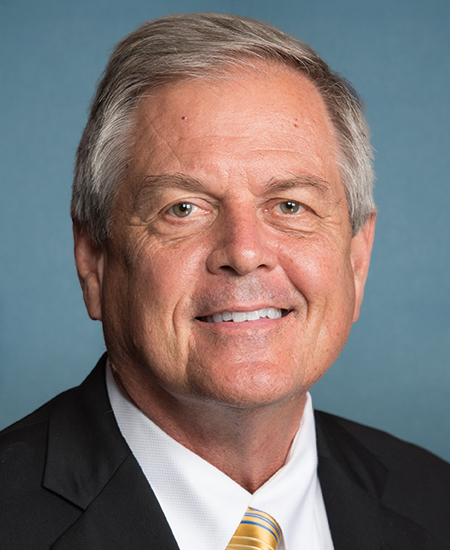
The bill is sponsored by Elise M. Stefanik and co-sponsored by Ralph Norman, indicating bipartisan support for the proposed reforms.
Related Legislation
HR 5121 has a companion bill in the Senate, S 1569, which suggests a coordinated effort to address these issues across both chambers of Congress.
This summary provides an overview of HR 5121, highlighting its purpose, key provisions, and potential impact on higher education accreditation in the United States. As the legislative process unfolds, further details will emerge regarding specific provisions and implications for stakeholders.