

WeVote

Bill

Bill

HR 8840

Fair Care Act of 2026

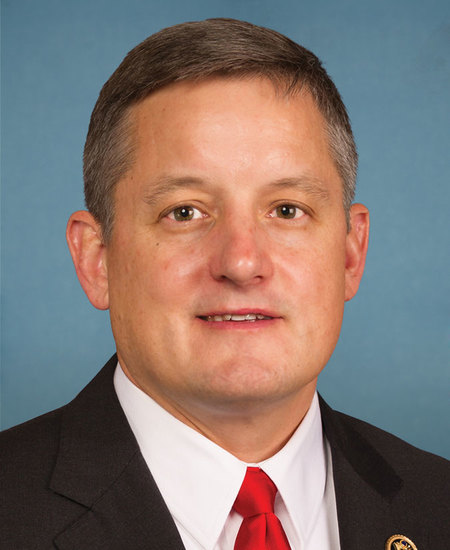
119th Congress Introduced by Bruce Westerman

The bill would broadly address health care access and funding through multiple committees, potentially affecting care delivery, subsidies, and related programs.

Introduced in House
0
WeVote Research Nonpartisan
Bill Summary · HR 8840

Summary of HR 8840 — Fair Care Act of 2026 (House)

Purpose and overall intent

  • The Fair Care Act of 2026 is a congressional bill introduced in the 119th Congress. Its stated purpose appears to address aspects of (healthcare) care access, costs, and related welfare considerations, though the provided summary does not include the full text. The bill has a broad jurisdictional scope, with referral to multiple committees, signaling a comprehensive approach across health care, fiscal, judiciary, education, and national security/oversight domains.

Key provisions and changes (what the bill would do)

  • The bill is referred to a broad set of committees, indicating proposed provisions that could touch on:
    • Health care policy and funding (typically within the Committee on Energy and Commerce and Ways and Means)
    • Education and workforce implications (Education and Workforce Committee)
    • Legal/judicial matters (Judiciary Committee)
    • Government operations and oversight (Oversight and Government Reform; Rules; Budget; House Administration)
    • Military considerations (Armed Services)
  • Specific statutory text, programs, funding levels, or regulatory changes are not provided in the summary. However, the multi-committee referral suggests potential:
    • Health care reform or subsidy provisions
    • Workforce training or protections related to care delivery
    • Compliance, civil justice, and regulatory reforms
    • Budgetary and appropriations implications
    • Government accountability measures and potential oversight mechanisms
  • The inclusion of a co-sponsor (Bruce Westerman) indicates bipartisan collaboration or cross-ideological support, depending on member positions.

Who would be affected

  • Health care providers, insurers, patients, and beneficiaries could be impacted if provisions pertain to care access, pricing, or funding.
  • Federal/state program participants if the bill modifies programs like Medicare/Medicaid or public health initiatives (common in health-focused legislation).
  • Employers and workers if the bill includes workforce development, training requirements, or employer-related health care provisions.
  • Government agencies and program administrators would be involved given the broad committee referrals and potential regulatory or funding changes.
  • Legal entities and courts might be affected if there are changes to compliance, enforcement, or civil justice provisions.

Procedural and timeline aspects

  • Introduced in the House on May 14, 2026.
  • Referred to multiple standing committees: Energy and Commerce; Ways and Means; Education and Workforce; Judiciary; Oversight and Government Reform; Rules; Budget; Armed Services; and House Administration.
  • The phrase “for consideration of such provisions as fall within the jurisdiction of the committee concerned” indicates that each committee will review only the portions within its jurisdiction, potentially leading to a multi-stage markup process across committees before any floor consideration.
  • The date and order for further action depend on committee chairs and the Speaker’s scheduling, as is typical for multi-committee referrals.

Notes and considerations

  • The summary provided does not include the bill’s full text, fiscal impact, or policy specifics (e.g., program names, funding levels, eligibility criteria, or enforcement mechanisms). For a complete understanding, one would need to review the bill’s sponsor statements, text as introduced, and any amendments or CBO score.
  • If you have access to the bill text or a summary from Congress.gov or committee websites, I can produce a more detailed, section-by-section analysis, including estimated costs, affected programs, and opposition/Support considerations.

Compiled from official sources — confirm details with the bill’s official record.

Sign in to ask a question.