

WeVote

Bill

Bill

HR 711

FAIR Act of 2025

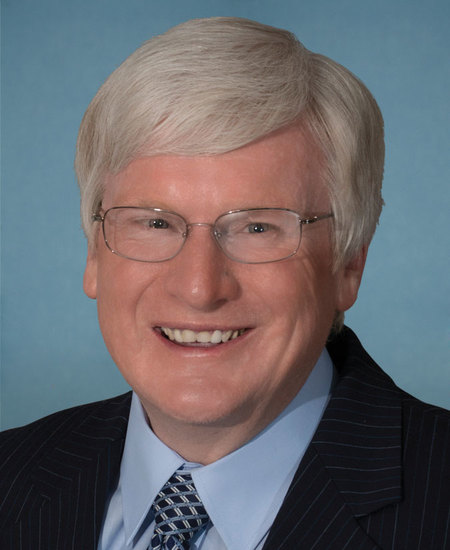
119th Congress Introduced by Glenn Grothman and 7 co-sponsors

The FAIR Act of 2025 strengthens anti-discrimination protections in employment, education, and government, ensuring equitable treatment for all citizens.

Introduced in House
0
WeVote Research Nonpartisan
Bill Summary · HR 711

Summary of HR 711 - FAIR Act of 2025

Overview

The FAIR Act of 2025, formally known as the Fairness, Anti-discrimination and Individual Rights Act of 2025, was introduced in the House of Representatives on January 23, 2025. The bill aims to address issues of fairness and discrimination, promoting individual rights across various sectors.

Purpose and Intent

The primary intent of the FAIR Act of 2025 is to enhance protections against discrimination and to ensure fairness in treatment across different domains, including employment, education, and government services. The bill seeks to establish a framework that reinforces individual rights and promotes equitable treatment for all citizens.

Key Provisions

While the specific provisions of the bill have not been detailed in the provided information, the following areas are typically addressed in similar legislation:

  • Anti-Discrimination Measures: Strengthening laws that prohibit discrimination based on race, gender, sexual orientation, disability, and other protected characteristics.
  • Enforcement Mechanisms: Establishing or enhancing mechanisms for individuals to report discrimination and seek redress.
  • Education and Awareness: Promoting educational programs aimed at raising awareness about individual rights and anti-discrimination laws.
  • Government Accountability: Ensuring that government agencies adhere to anti-discrimination policies and practices.

Affected Parties

The FAIR Act of 2025 would potentially impact a wide range of stakeholders, including:

  • Individuals: Citizens who may face discrimination in various aspects of life, including employment and education.
  • Employers: Businesses and organizations that would need to comply with enhanced anti-discrimination regulations.
  • Educational Institutions: Schools and universities that would be required to implement fair practices and policies.
  • Government Agencies: Entities responsible for enforcing anti-discrimination laws and ensuring compliance.

Legislative Process

  • Introduced: The bill was introduced in the House on January 23, 2025.
  • Committee Referral: It has been referred to the Committee on the Judiciary, as well as the Committees on Oversight and Government Reform, Education and Workforce, and House Administration. Each committee will review the bill's provisions relevant to their jurisdiction.
  • Next Steps: The timeline for further consideration and potential voting on the bill will be determined by the Speaker of the House.

Conclusion

The FAIR Act of 2025 represents a significant effort to promote fairness and protect individual rights against discrimination. As it progresses through the legislative process, further details on specific provisions and impacts will become clearer, allowing for a more comprehensive understanding of its implications for society.

Compiled from official sources — confirm details with the bill’s official record.

Sign in to ask a question.