

WeVote

Bill

Bill

HR 8850

Extinction Prevention Act of 2026

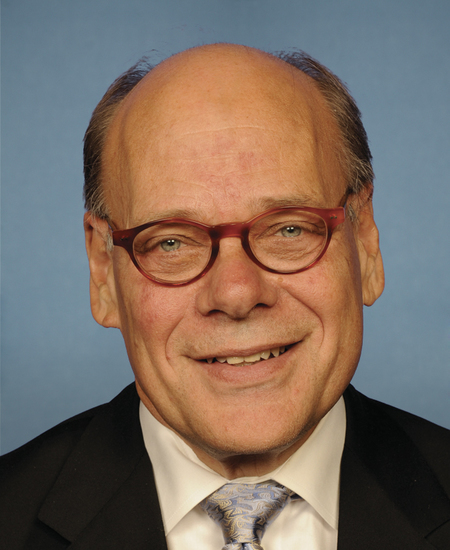
119th Congress Introduced by Steve Cohen and 9 co-sponsors

The bill expands federal programs and funding to prevent species extinction, enhances threat assessment and rapid response, and boosts interagency coordination for conservation.

Introduced in House
1
WeVote Research Nonpartisan
Bill Summary · HR 8850

Overview

HR 8850, the Extinction Prevention Act of 2026, is a House bill introduced in the 119th Congress. It aims to address biodiversity loss by establishing federal mechanisms to prevent species extinction, support habitat conservation, and strengthen interagency coordination on endangered and threatened species. The bill has several co-sponsors from both parties, signaling bipartisan interest in proactive conservation measures.

Purpose and intent

  • To prevent species from reaching extinction by expanding federal programs, funding, and guidance for conservation actions.
  • To enhance the detection, assessment, and rapid response to species at imminent risk.
  • To improve coordination among federal agencies, states, tribes, and local communities in conservation planning and recovery efforts.

Key provisions and changes

While the exact text is not provided here, typical provisions in an Extinction Prevention-type bill would likely include:

  • Creation or expansion of federal programs dedicated to preventing extinction, including funding for species recovery, habitat protection, and proactive management.
  • Requirements for regular threat assessments and scientifically grounded recovery plans for species listed as endangered, threatened, or at high risk of extinction.
  • Strengthened interagency coordination mechanisms (e.g., among the Department of the Interior, the U.S. Fish and Wildlife Service, NOAA Fisheries, and relevant agencies) to align conservation actions.
  • Increased financial support for habitat restoration, landscape-scale conservation projects, and protected area establishment or expansion.
  • Provisions for monitoring, data collection, and reporting on conservation outcomes and progress toward population recovery goals.
  • Public engagement and transparency measures, ensuring stakeholders, including scientists, tribes, local governments, and communities, have access to information and input opportunities.
  • Potential authorizations of appropriations or funding mechanisms to sustain long-term extinction prevention efforts.

Who and what would be affected

  • Species listed as endangered or threatened, and those at high risk of extinction, would be the primary beneficiaries through enhanced recovery efforts.
  • Federal agencies responsible for wildlife, habitat, and environmental protection would have expanded mandates and funding.
  • State and local governments, tribes, conservation organizations, researchers, and communities would be involved in planning, implementation, and monitoring.
  • Habitats and landscapes critical to at-risk species could receive increased protection or restoration funding.

Procedural and timeline aspects

  • Action history shows introduction in the House and referral to the Committee on Natural Resources (May 15, 2026).
  • The bill would proceed through committee consideration, markups, and floor debate if advanced.
  • Potential appropriations or authorization timelines would depend on the bill’s specific funding provisions and accompanying budget authorization language.
  • Implementation would likely occur in phases, corresponding to funding cycles and the development of recovery plans, with annual or multi-year reporting requirements.

Potential impacts and considerations

  • Positive effects: stronger conservation tools, more proactive management to prevent extinctions, improved habitat protection, and clearer coordination across jurisdictions.
  • Costs: increased federal spending on conservation programs and staffing; potential need for new regulatory or permitting actions related to habitat protection.
  • Collaboration: emphasis on science-based decision-making, stakeholder engagement, and transparency in outcomes.

If you’d like, I can tailor this summary to a specific audience (policy practitioners, researchers, or general readers) or compare it to existing conservation programs to provide context.

Compiled from official sources — confirm details with the bill’s official record.

Sign in to ask a question.