

WeVote

Bill

Bill

HRES 1316

Expressing the sense of the House of Representatives to reduce traffic fatalities to zero by 2050.

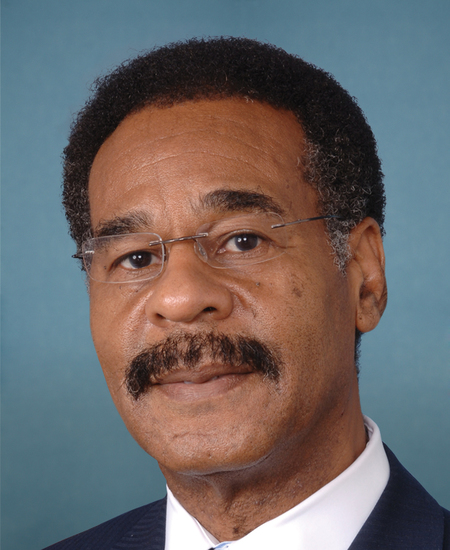
119th Congress Introduced by Emanuel Cleaver and 12 co-sponsors

The House seeks to end roadway fatalities by 2050 using a data-driven, safe-systems approach and improved safety data, countermeasures, and equity.

Submitted in House
0
WeVote Research Nonpartisan
Bill Summary · HRES 1316

Overview

  • Bill: HRES 1316 (119th Congress, 2nd Session)
  • Type: House Resolution expressing the sense of the House
  • Purpose: To commit to reducing roadway fatalities to zero by the year 2050 and to promote a data-driven, safe-systems approach to transportation safety.
  • Status: Introduced May 21, 2026; referred to the Committee on Transportation and Infrastructure
  • Primary sponsors: Rep. Schakowsky (and multiple co-sponsors)

Main purpose and intent

  • The resolution states the sense of the House that the United States should end roadway fatalities by 2050.
  • It calls on Congress and the Department of Transportation (DOT) to work together toward achieving zero roadway fatalities by 2050.
  • It emphasizes addressing safety disparities, improving data collection and tracking related to transportation safety, implementing countermeasures and interventions, and adopting a safe-systems approach to transportation.

Key provisions and changes

As a non-binding sense-of-the-House resolution, the bill does not itself establish new law or authorize spending. Its provisions articulate commitments and recommendations, including:

  • End goal:
    • Commit to ending roadway fatalities by 2050 (zero fatalities).
  • Congressional and agency collaboration:
    • Call on Congress and DOT to work together to achieve zero roadway fatalities by 2050.
  • Equity and disparities:
    • Support efforts to address transportation safety disparities.
  • Data, measurement, and monitoring:
    • Request DOT and its agencies to improve data gathering and tracking of traffic crashes and related safety issues.
  • Safety interventions:
    • Encourage DOT and its agencies to implement countermeasures and interventions that prioritize transportation safety.
  • Safe-system approach:
    • Recognize and promote a safe-system approach to transportation to improve access, safety, and mobility.
  • Terminology:
    • Support using the term “crash” instead of “accident” when describing traffic incidents and urge federal agencies to adopt this terminology.

Who would be affected

  • Federal government entities, particularly the Department of Transportation and its operating administrations, which would be urged to:
    • Enhance data collection and safety performance tracking.
    • Implement countermeasures and safety interventions.
    • Adopt a safe-system framework in transportation planning and operations.
  • Broader public impact:
    • Signals a federal policy priority toward reducing traffic fatalities and injuries.
    • Encourages consideration of safety disparities and equitable treatment in transportation safety initiatives.
    • Aims to influence terminology and framing around traffic incidents nationwide.

Procedural and timeline aspects

  • Introduction and referral:
    • Introduced May 21, 2026, and referred to the House Committee on Transportation and Infrastructure.
  • No specific legislative timetable or funding authorization is included in the resolution, as it is a non-binding sense-of-the-House statement.
  • The resolution sets an aspirational target (zero fatalities by 2050) and calls for ongoing, collaborative federal action rather than detailing a discrete policy package or funding plan.

Key takeaways

  • HRES 1316 is a non-binding resolution expressing the House’s intent to pursue a goal of zero roadway fatalities by 2050.
  • It advocates for a data-driven, safe-systems approach, prioritization of safety countermeasures, and addressing transportation safety disparities.
  • The resolution seeks enhanced data collection, coordinated action between Congress and DOT, and a shift in incident terminology from “accident” to “crash.”
  • No new statutory rights, mandates, or funding are established in this resolution; it serves as a policy statement and guiding framework.

Compiled from official sources — confirm details with the bill’s official record.

Sign in to ask a question.