

WeVote

Bill

Bill

HRES 704

Expressing the sense of the House of Representatives that the Wasteful and Inappropriate Service Reduction Model undermines beneficiary access to health care and should not be implemented.

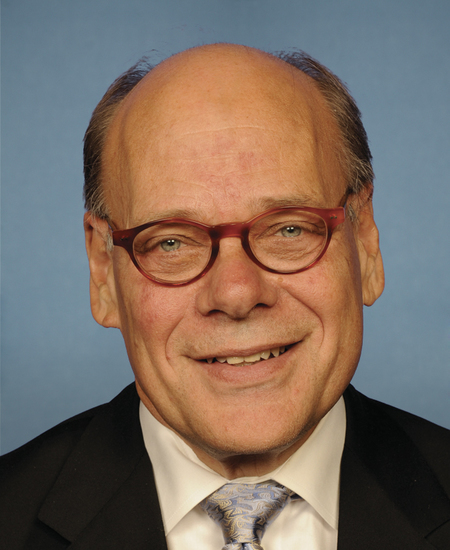
119th Congress Introduced by Steve Cohen and 23 co-sponsors

H. RES. 704 opposes the WISeR Model, which would increase prior authorizations in Medicare, risking access to timely care for beneficiaries, especially vulnerable populations.

Submitted in House
0
WeVote Research Nonpartisan
Bill Summary · HRES 704

Summary of H. RES. 704

Bill Overview

Bill Number: H. RES. 704
Title: Expressing the sense of the House of Representatives that the Wasteful and Inappropriate Service Reduction Model undermines beneficiary access to health care and should not be implemented.
Status: Submitted in House
Introduced: September 11, 2025
Classification: Resolution

Purpose and Intent

H. RES. 704 aims to formally express the disapproval of the House of Representatives regarding the Wasteful and Inappropriate Service Reduction (WISeR) Model proposed by the Center for Medicare and Medicaid Innovation. The resolution asserts that this model would negatively impact beneficiary access to necessary health care services and urges the termination of the model before its planned implementation on January 1, 2026.

Key Provisions

The resolution outlines several critical points regarding the WISeR Model:

  1. Increased Prior Authorization Requirements:
    The model proposes a 30% increase in the number of services requiring prior authorization in traditional Medicare.

  2. Contracting with Private Companies:
    It suggests contracting with private companies that currently manage prior authorization for Medicare Advantage plans.

  3. Use of Technology:
    The model intends to utilize advanced technologies, including artificial intelligence (AI) and machine learning, to handle the expanded prior authorization requests.

  4. Concerns About Prior Authorization:

    • Prior authorization is identified as a significant barrier to timely medical care for patients.
    • A survey by the American Medical Association indicates that 89% of physicians believe prior authorization contributes to physician burnout.
    • Data shows that 81.7% of denials made by Medicare Advantage insurers are overturned upon appeal, highlighting issues with the accuracy of prior authorization decisions.
    • Reports indicate that AI tools used by private insurers have error rates as high as 90% in reviewing coverage decisions.

Impact

The resolution emphasizes that expanding prior authorization processes from Medicare Advantage to traditional Medicare would hinder beneficiaries' access to timely and necessary medical care. If implemented, the WISeR Model could exacerbate existing challenges in accessing health care services, particularly for vulnerable populations reliant on Medicare.

Procedural Aspects

  • The resolution was referred to the Committee on Ways and Means and the Committee on Energy and Commerce for further consideration.
  • The timeline for committee review will be determined by the Speaker of the House.

Sponsors

The resolution is sponsored by a group of representatives, including:
- Mark Pocan (Primary Sponsor)
- Janice D. Schakowsky
- Lloyd Doggett
- Alexandria Ocasio-Cortez
- Rashida Tlaib
- Bonnie Watson Coleman
- And several others.

Conclusion

H. RES. 704 serves as a formal statement of disapproval from the House of Representatives regarding the WISeR Model, highlighting significant concerns about its potential impact on health care access for Medicare beneficiaries. The resolution calls for immediate action to prevent the model's implementation, reflecting a commitment to safeguarding patient care and addressing the challenges posed by prior authorization processes.

Compiled from official sources — confirm details with the bill’s official record.

Sign in to ask a question.