

WeVote

Bill

Bill

HRES 1516

Expressing support for the designation of September 9 as "National African Immigrant and Refugee HIV/AIDS and Hepatitis Awareness (NAIRHHA) Day".

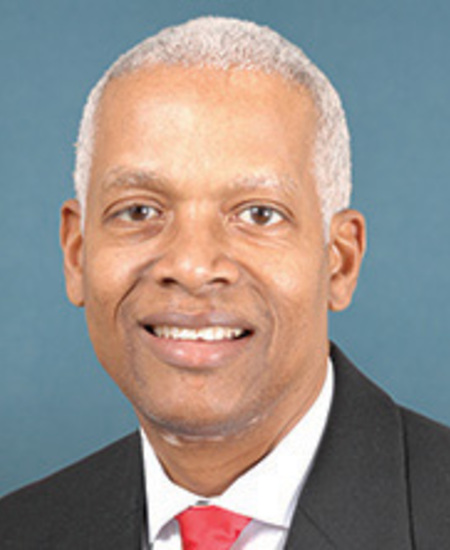
119th Congress Introduced by Hank Johnson

Designates September 9 as NAIRHHA Day to promote culturally appropriate HIV/AIDS and hepatitis awareness, testing, vaccination, and care for African immigrants and refugees.

Submitted in House
1
WeVote Research Nonpartisan
Bill Summary · HRES 1516

Bill Overview

  • Short title: Expressing support for the designation of September 9 as “National African Immigrant and Refugee HIV/AIDS and Hepatitis Awareness (NAIRHHA) Day.”
  • Chamber: United States House of Representatives
  • Session: 119th Congress
  • Sponsor: Representative Hank Johnson (co-sponsor)
  • Status: Referred to the House Committee on Energy and Commerce (as of Sept. 8, 2026)

Main Purpose and Intent

The resolution expresses support for designating a national awareness day, NAIRHHA Day, to focus attention on HIV/AIDS and viral hepatitis issues specifically affecting African immigrants and refugees in the United States. It emphasizes culturally and linguistically appropriate outreach, education, prevention, testing, and access to care for these communities.

Key Provisions and Changes

  • Formal designation: Calls on recognizing September 9 as National African Immigrant and Refugee HIV/AIDS and Hepatitis Awareness Day.
  • Recognition of need: Acknowledges that African immigrant and refugee communities have disproportionately high rates of HIV and hepatitis B, and face barriers to testing, diagnosis, and treatment.
  • Public health objectives: Promotes awareness, education, reduction of stigma, increased screening, vaccination (where applicable), and stronger linkage to care within these communities.
  • Culturally competent care: Highlights the importance of culturally and linguistically appropriate services (aligned with National CLAS Standards) to improve health outcomes.
  • Barriers and challenges: Addresses factors such as fear of immigration status, stigma, language barriers, limited health insurance, and unfamiliarity with the U.S. health system that hinder access to care.
  • Long-term goals: Encourages building community capacity, expanding resources, and strengthening public health efforts to reduce new infections and deaths related to HIV and viral hepatitis among African immigrants and refugees.

Affected Parties

  • African immigrant and refugee populations in the United States.
  • Health care providers, public health agencies, and social service organizations serving these communities.
  • Policy makers and funders seeking to improve culturally competent care and access to testing, vaccination, and treatment.

Procedural and Timeline Aspects

  • Legislative action: The text is a House resolution, which serves to express support and designate a day but does not create new mandatory obligations or funding in itself.
  • Timing: The designation centers on September 9 of each year as NAIRHHA Day, with ongoing implications for awareness campaigns, community outreach, and potential policy advocacy.
  • Next steps: If enacted, the resolution would symbolize Congressional support and could encourage health departments and organizations to host events or programs aligned with the NAIRHHA Day objectives.

Potential Impact

  • Increased awareness and reduced stigma surrounding HIV/AIDS and hepatitis in African immigrant and refugee communities.
  • Enhanced uptake of culturally appropriate testing, vaccination, and treatment services.
  • Improved data collection and surveillance sensitivity by recognizing country-of-origin-specific health needs, potentially informing targeted public health interventions.

Compiled from official sources — confirm details with the bill’s official record.

Sign in to ask a question.