

WeVote

Bill

Bill

HRES 1368

Expressing support for the designation of June 2026 as "Black Music Month".

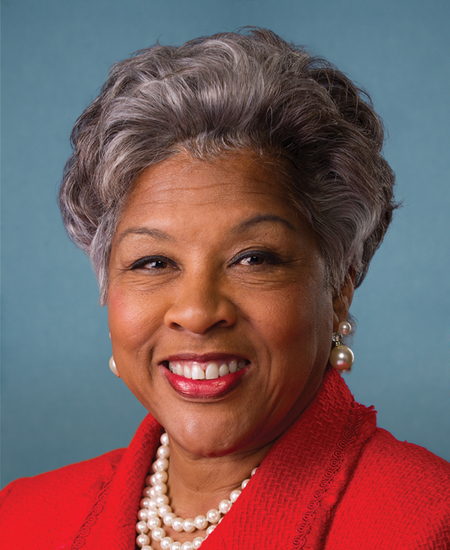
119th Congress Introduced by Joyce Beatty and 31 co-sponsors

Designates June 2026 as Black Music Month to recognize Black artists and culture and encourage nationwide celebration, education, and inclusion without legal effects.

Submitted in House
0
WeVote Research Nonpartisan
Bill Summary · HRES 1368

Bill Summary: H.R.1368 (119th Congress) – Expressing support for designation of June 2026 as “Black Music Month”

Purpose and intent

  • The resolution expresses support for designating June 2026 as “Black Music Month.”
  • It recognizes the historical and ongoing contributions of Black musicians, creators, and industry professionals to American music and culture.
  • It reiterates the importance of diversity, equity, and inclusion, and calls for broad recognition of Black music’s impact and legacy.

Key provisions and changes

  • Section 1: Formal expression of support for designating June 2026 as Black Music Month.
  • Section 2: Acknowledges the work of Black musicians, music creators, communities, congregations, and other music industry participants in creating, uplifting, promoting, and celebrating Black music.
  • Section 3: Encourages action by the American people to recognize Black Music Month through activities that:
    • Elevate the artistry and talent of Black music and musicians.
    • Encourage attendance and participation in Black music.
    • Promote diversity, equity, and inclusion.
    • Spread awareness of Black music’s impact and legacy.
    • Honor the historical significance of Black music.
    • Spread joy and understanding through Black music.

Who/what is affected

  • Primarily a ceremonial/expressive measure; it does not create regulatory requirements or funding.
  • Aims to influence culture and public awareness by encouraging individuals, communities, and organizations to participate in Black Music Month activities.
  • Involves and honors Black musicians, songwriters, producers, educators, and industry personnel, as well as audiences and supporters of Black music.

Procedural and timeline aspects

  • Introduced in the House on June 15, 2026.
  • Referred to the Committee on Education and the Workforce for consideration.
  • As a nonbinding resolution, it does not enact law or authorize spending; its effect is to signal congressional endorsement and encourage national recognition and related programs.

Additional context

  • The resolution situates Black music within broader U.S. cultural and civil rights history, noting its role in artistic and social movements and its cross-genre influence.
  • It references historical recognition of Black music by public figures (e.g., the earlier designation of African-American Music History Month by President Jimmy Carter in 1979) to frame June as a time for national observance.

If you’d like, I can add a concise one-paragraph overview or a side-by-side comparison with similar observances (e.g., African American Music History Month) for additional clarity.

Compiled from official sources — confirm details with the bill’s official record.

Sign in to ask a question.