

WeVote

Bill

Bill

HRES 1173

Expressing support for the designation of April 2026 as "Second Chance Month".

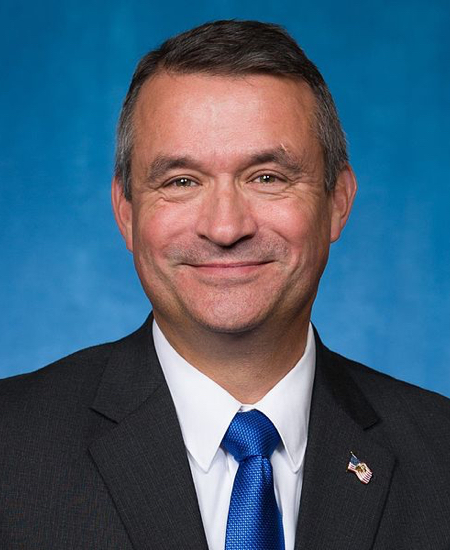
119th Congress Introduced by Don Bacon and 7 co-sponsors

Designates April 2026 as Second Chance Month to raise awareness of collateral consequences and promote actions that support reintegration of individuals with criminal records.

Submitted in House
0
WeVote Research Nonpartisan
Bill Summary · HRES 1173

Summary of H.Res. 1173 (119th Congress, 2nd Session)

Expressing support for the designation of April 2026 as “Second Chance Month”

1) Purpose and Intent

  • The resolution expresses support for designating April 2026 as “Second Chance Month.”
  • It recognizes the value of human dignity, redemption, and second chances.
  • It aims to raise public awareness about collateral consequences faced by individuals with criminal records and to encourage actions that remove barriers to reintegration.

2) Key Provisions and Changes

  • Formal declaration of support for designating April 2026 as Second Chance Month.
  • Emphasis on the role of communities, government agencies, nonprofit organizations, congregations, employers, and individuals in reducing collateral consequences and supporting reentry.
  • Urges observance of Second Chance Month through actions and programs that:
    • Increase awareness of unnecessary legal and societal barriers faced by people with criminal records.
    • Provide closure and support to individuals who have paid their debt to society.
  • Recites context and background, including:
    • The pervasive impact of collateral consequences on employment, housing, education, licensing, and financial aid.
    • The relationship between stable employment and reduced recidivism.
    • The existence and impact of programs from the Second Chance Act (2007) and the First Step Act (2018) that support reentry.

3) Who/What Is Affected

  • Individuals with criminal records and their families, who may experience collateral consequences.
  • Employers, educational institutions, housing providers, and licensing bodies, as potential targets for reforms and awareness.
  • Communities and states where collateral consequences influence employment opportunities, housing stability, and recidivism rates.
  • Organizations and government agencies involved in reentry services and support programs.

4) Procedural and Timeline Aspects

  • Introduced in the House on April 14, 2026, by Representative Westerman (with multiple co-sponsors).
  • Referred to the House Committee on the Judiciary.
  • As a concurrent or simple resolution, it does not itself create new law or funding but serves to recognize, promote, and encourage designated observance and related actions.
  • The designation would apply to April 2026, with ongoing implications for public awareness and potential advocacy during the month.

5) Notable Context and Background

  • References prior legislation:
    • Second Chance Act of 2007 (referred to as providing reentry services and context for Second Chance programs).
    • First Step Act of 2018 (expansion and reauthorization of reentry and recidivism-reduction programs).
  • Highlights the ongoing discussion about collateral consequences and their impact on employment, housing, education, and public safety.

This bill functions as a symbolic and educational measure to promote awareness and action around removing obstacles for individuals with criminal records and supporting successful reintegration. It does not, by itself, alter laws or grant funding.

Compiled from official sources — confirm details with the bill’s official record.

Sign in to ask a question.