

WeVote

Bill

Bill

HRES 1428

Expressing support for Reproductive Justice on the 250th Anniversary of the United States of America.

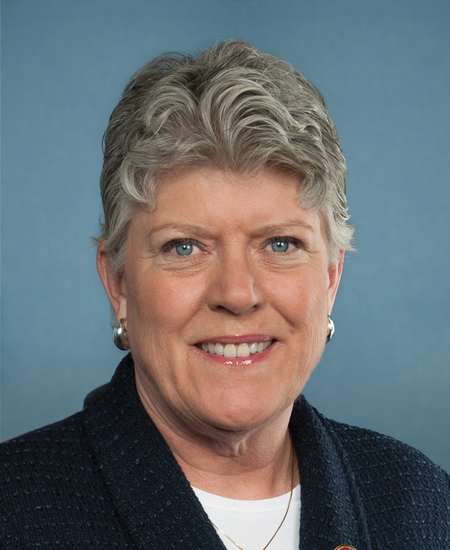
119th Congress Introduced by Julia Brownley and 10 co-sponsors

Affirms reproductive justice as a holistic right to safe, accessible, and voluntary reproductive health care and family formation, with protections against criminalization and coer

Submitted in House
0
WeVote Research Nonpartisan
Bill Summary · HRES 1428

Summary of HRES 1428 (119th Congress)

Purpose and intent

  • Expresses support for Reproductive Justice on the United States’ 250th anniversary.
  • Frames reproductive freedom and self-determination as central to democratic governance, economic security, racial and gender equity, public health, religious autonomy, and civic participation.
  • Emphasizes protection of bodily autonomy, access to reproductive health care, and the right to form families without discrimination or coercion.

Key provisions and changes proposed

  • The resolution is declarative and non-binding, intended to articulate principles rather than create enforceable policy.
  • Core commitments include:
    • Affirming the right to safe, dignified, and equitable conditions for childbirth and family formation.
    • Advancing person-centered, community-rooted maternal health care and accountability across the health care system.
    • Condemning the criminalization of pregnancy and related outcomes; opposing reproductive coercion, forced sterilization, and criminalization of pregnancy outcomes (including miscarriage, abortion, and stillbirth).
    • Ensuring coverage and access to fertility treatments, assisted reproductive technologies, and regulatory frameworks for emerging reproductive technologies to prevent eugenic uses.
    • Affirming reproductive freedom as including the right to plan, space, or end a pregnancy safely and legally; endorsing the right to abortion and comprehensive reproductive health care at all levels of government.
    • Rejecting funding restrictions that deny or delay care based on income, immigration status, insurance status, or geography (e.g., Hyde Amendment-style prohibitions).
    • Supporting universal access to comprehensive, accurate reproductive and sexual health education and care.
    • Linking reproductive justice to conditions for raising families safely and with dignity, including universal health care, paid family leave, affordable childcare, disability-inclusive communities, living wages, and adequate family supports.
    • Advocating for universal and robust health care that covers reproductive and sexual health services for all, regardless of income or geography.
    • Recognizing the need for universal paid family and medical leave, affordable childcare and early education, and essential supports (nutrition, housing, health services).
    • Envisioning reproductive freedom as a fundamental human right that underpins democracy, dignity, and the American promise.

Who/what would be affected

  • As a resolution, the primary impact is to articulate Congressional intent and set a framework for possible future legislative or policy actions.
  • It signals support for:
    • Expanded access to reproductive health services, including abortion, contraception, prenatal/postnatal care, fertility treatments, and gender-affirming care.
    • Reforms aimed at reducing barriers to care (economic, geographic, insurance-related, and immigration-status-related).
    • Protections against punitive or coercive measures related to pregnancy and pregnancy outcomes.
    • Investments in maternal and child health infrastructure, paid leave, childcare, and broader social supports to enable family formation and stability.

Procedural and timeline aspects

  • Introduced July 13, 2026, in the House of Representatives.
  • Referred to multiple committees: Energy and Commerce; Judiciary; Education and Workforce. Referral decisions on scope and timing are to be determined by the Speaker.
  • Sponsors include Representatives Ayanna Pressley, André Carson, Sydney Kamlager, Deborah Ross, Julia Brownley, and Lateefah Simon.

Overall significance

  • The resolution foregrounds Reproductive Justice as a holistic framework—linking individual autonomy with broader social determinants of health and equality.
  • It sets out aspirational policy directions for Congress, including protections against criminalization, expanded access to care, and universal social supports, without prescribing specific legislation or funding mechanisms.

Compiled from official sources — confirm details with the bill’s official record.

Sign in to ask a question.