

WeVote

Bill

Bill

HRES 1371

Expressing support for a "World Sickle Cell Awareness Day" in order to increase public awareness across the United States and global community about sickle cell disease and the continued need for empirical research, early detection screenings, novel effective treatments leading to a cure, and preventative care programs with respect to complications from sickle cell anemia and conditions relating to sickle cell disease.

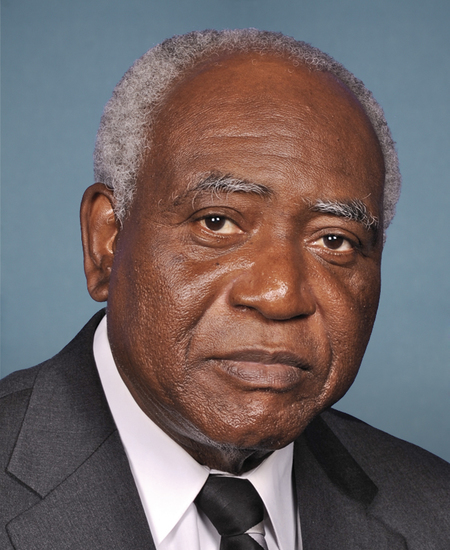
119th Congress Introduced by Danny Davis and 1 co-sponsor

The bill supports establishing World Sickle Cell Awareness Day and aims to ensure equitable, worldwide access to SCD prevention, testing, therapies, and care.

Submitted in House
0
WeVote Research Nonpartisan
Bill Summary · HRES 1371

Summary of HRES 1371 (119th Congress) – Expressing support for a “World Sickle Cell Awareness Day”

Purpose and intent

  • This House resolution expresses support for establishing and recognizing a World Sickle Cell Awareness Day (WCAD), with the 2026 theme: “Closing the Survival Gap: Equity in Sickle Cell Disease,” and emphasizes the urgency of reducing disparities in survival, access to care, and treatment.
  • The resolution aims to raise public awareness in the United States and globally about sickle cell disease (SCD), the need for ongoing empirical research, early detection screenings, new therapies that move toward a cure, and preventative care programs addressing SCD complications.

Key provisions and changes

  • Formal expression of support for WCAD and its stated theme.
  • Commitment to equitable access to SCD treatments across all economic, racial, and ethnic groups to improve health outcomes.
  • Request for the Department of Health and Human Services (HHS) to develop global policy solutions that support the worldwide SCD community, including:
    • Partnering with local governments.
    • Providing domestic resources to ensure access to newborn screening, therapies, and support services.
  • Call to eliminate barriers to equitable access to innovative SCD therapies, including cell, gene, and gene-editing therapies, within Medicare and Medicaid for the most vulnerable patients.
  • Encouragement for U.S. and global communities to sponsor programs, events, and activities on WCAD to promote awareness, preventive care, and access to treatments and patient services related to SCD.
  • Recommendation that the President form a Sickle Cell Disease Interagency Group comprising:
    • HHS, Department of Veterans Affairs, NIH, FDA, and CMS.
    • The group should work toward policies that enable equitable and appropriate access to innovative SCD therapies.
  • Directive for the interagency group to consider options addressing both future curative treatments and the bias that affects the population most impacted by SCD in U.S. and global healthcare systems.

Who or what would be affected

  • Sickle cell disease patients and communities, particularly those facing barriers to access and equity in treatment.
  • Federal health policy coordination through HHS, VA, NIH, FDA, and CMS via the proposed Interagency Group.
  • Programs and funding for newborn screening, research, therapies (including cell/gene therapies), and supportive services.
  • Medicare and Medicaid populations, especially the most vulnerable, who would be impacted by potential eligibility and access to innovative SCD therapies.

Procedural and timeline aspects

  • Introduced and referred to the House Committee on Energy and Commerce on June 18, 2026.
  • As a resolution, it expresses intent and guidance rather than creating new mandatory spending or specific regulatory requirements, though it calls for policy development and interagency coordination.
  • No enacted fiscal authority is specified in the text provided; the resolution largely directs policy focus and interagency collaboration.

Notes on context and implications

  • The bill underscores recent advancements in SCD treatment, including FDA-approved gene therapies as of 2023, while acknowledging the need for broader access and continued research.
  • It reiterates historical milestones (e.g., 1972 National Sickle Cell Anemia Control Act) and global health references (World Health Organization resolutions) to frame the ongoing public health priority of SCD.
  • The emphasis on equity aligns with broader health policy goals to reduce disparities in diagnosis, treatment access, and outcomes for affected populations.

Compiled from official sources — confirm details with the bill’s official record.

Sign in to ask a question.