
Bill
Sponsor avatar

BILL • US SENATE

S 4631

Expanding Whistleblower Protections for Contractors Act of 2026

119th Congress
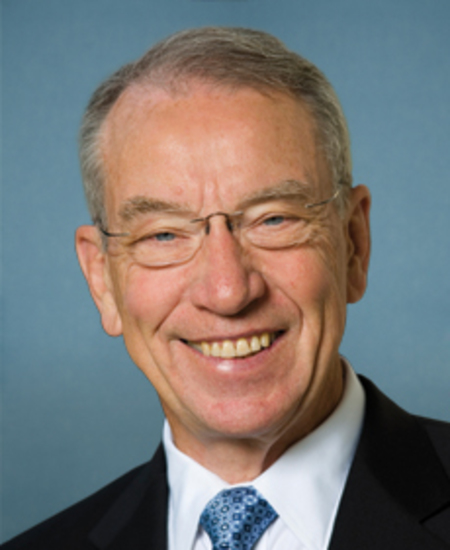
Introduced by Chuck Grassley, Gary Peters,

Expands whistleblower protections to include contractors and related personnel in defense and non-defense contracting, banning reprisals for lawful disclosures and ensuring non-wai

Held at the desk.
0
0
Bill Summary · S 4631

Overview

  • Bill: S.4631 (Expanding Whistleblower Protections for Contractors Act of 2026)
  • Session: 119th Congress, 2nd Session
  • Purpose: Strengthen and expand whistleblower protections to ensure contractors, subcontractors, grant recipients, and related personnel are protected from retaliation when they disclose information or refuse to comply with orders that would violate laws or regulations, including when a federal employee orders reprisal.

Main Purpose and Intent

  • To protect individuals affiliated with defense and federal contracting from retaliation for:
    • Refusing to obey orders that would cause them to violate law, rule, or regulation related to contracts, grants, or subgrants.
    • Disclosing information reasonably believed to show gross mismanagement, gross waste of funds, abuse of authority, or violations related to federal contracts, grants, or subgrants (including the competition for or negotiation of contracts or subcontracts), as well as a substantial and specific danger to public health or safety.
  • To ensure protections extend to a broad set of actors involved with federal procurement, including private sector contractors and recipients, as well as certain government and intelligence community elements.

Key Provisions and Changes

  • Section 4701, Title 10 (Defense Contractor Employees – Protection from Reprisal):

    • Expands the scope of who is a "protected individual" beyond just federal employees to include contractors, subcontractors, grantees, and subgrantees working under DoD or NASA contracts or grants.
    • Recasts who may file or pursue protection, replacing some terminology (e.g., "employee" with "protected individual").
    • Clarifies that reprisal prohibitions cover:
    • Refusal to obey orders that would cause someone to violate law or regulation.
    • Disclosure of information reasonably believed to show gross mismanagement, gross waste of funds, abuse of authority, or legal/regulatory violations related to the contract or grant, including issues in both DoD and NASA programs.
    • A substantial and specific danger to public health or safety.
    • Prohibits executive branch officials from requesting contractors or related entities to engage in reprisals against whistleblowers.
    • Adds a new subsection authorizing disciplinary action against executive branch officials who solicit or cause reprisals against contractors or related parties.
    • Ensures waivers or predispute arbitration agreements cannot waive rights, forum, or remedies for whistleblower protections.
  • Section 4712, Title 41 (Non-Defense Contractor Protection from Reprisal for Disclosure of Certain Information):

    • Extends similar whistleblower protections to non-defense federal contracting (general federal procurement) by amending the non-defense whistleblower protections.
    • Aligns definitions and protections with those in the defense context, including:
    • Prohibiting discharge, demotion, or discrimination for refusing to violate law or for disclosing information about gross mismanagement, waste, abuse, or significant public health/safety risks related to federal contracts or subcontracts.
    • Applies to contractors, subcontractors, grantees, subgrantees, and their employees, with similar scope expansion to include state and local governments, tribal governments, and other government entities, including those within the intelligence community to the extent defined.
    • Adds explicit authority to discipline executive branch officials who request reprisals against contractors or subgrantees.
    • Recasts “protected individual” to mirror the expanded definition used in the defense context.
  • General protections emphasized:

    • Rights, forum, and remedies cannot be waived by private or public employer agreements, including predispute arbitration agreements.
    • Prohibitions on reprisal apply to a broad set of entities associated with federal contracting, including state, local, territorial governments, and certain tribal and territorial entities, as well as intelligence-community elements within the Department of Defense.

Who or What Would Be Affected

  • Affected Parties:
    • DoD and NASA contractors, subcontractors, grantees, and subgrantees, including personal services contractors.
    • Employees and former employees of these contracted entities.
    • Individuals working under federally funded contracts or grants in non-defense contexts (DoC-related sections extend protections to non-defense procurement).
    • Government entities and programs designated within the scope of covered contracts or grants (states, D.C., tribes, territories, and other instrumentality governments).
    • Intelligence community elements within DoD that fall under the expanded definition of protected individuals.
  • Stakeholders:
    • Contractors and their personnel seeking whistleblower protection.
    • Federal agencies (DoD, NASA, and other agencies implementing procurement) responsible for enforcement and disciplinary actions.
    • Employers in the federal contracting space that must comply with whistleblower protections and anti-retaliation provisions.

Procedural and Timeline Aspects

  • Legislative Status:
    • Passed the Senate by Unanimous Consent (May 21, 2026) with no amendments.
    • Action history indicates the measure moved to the House for consideration after Senate passage.
  • Practical Implications:
    • If enacted, new protections would become effective for whistleblowers and contractors once implemented in federal procurement policy and related regulations.
    • Agencies would have authority to discipline executive branch officials who attempt to induce reprisals against contractors or subgrantees.
    • Agencies and contract administrators may need to update training, reporting channels, and dispute resolution processes to reflect the expanded protected-classes and non-waivable rights.

Summary of Impact

  • Strengthens whistleblower protections for a broader class of individuals connected to federal contracts, including private sector contractors and personal services providers.
  • Introduces explicit prohibitions on reprisals ordered by federal employees and empowers disciplinary action against officials who solicit or engage in reprisals.
  • Ensures that rights and remedies cannot be waived through arbitration or employment agreements.
  • Harmonizes defense and non-defense procurement protections, extending to a wide range of government entities and intelligence-community components where applicable.

Hi! I'm your AI assistant for S 4631. I can help you understand its provisions, impacts, and answer any questions.

Key Provisions Impacts Timeline
Sign in to chat

Start the Conversation

Be the first to share your thoughts on this petition. Your voice matters!

Share your opinion above
