

WeVote

Bill

Bill

SB 5780

Expanding training opportunities for public defense.

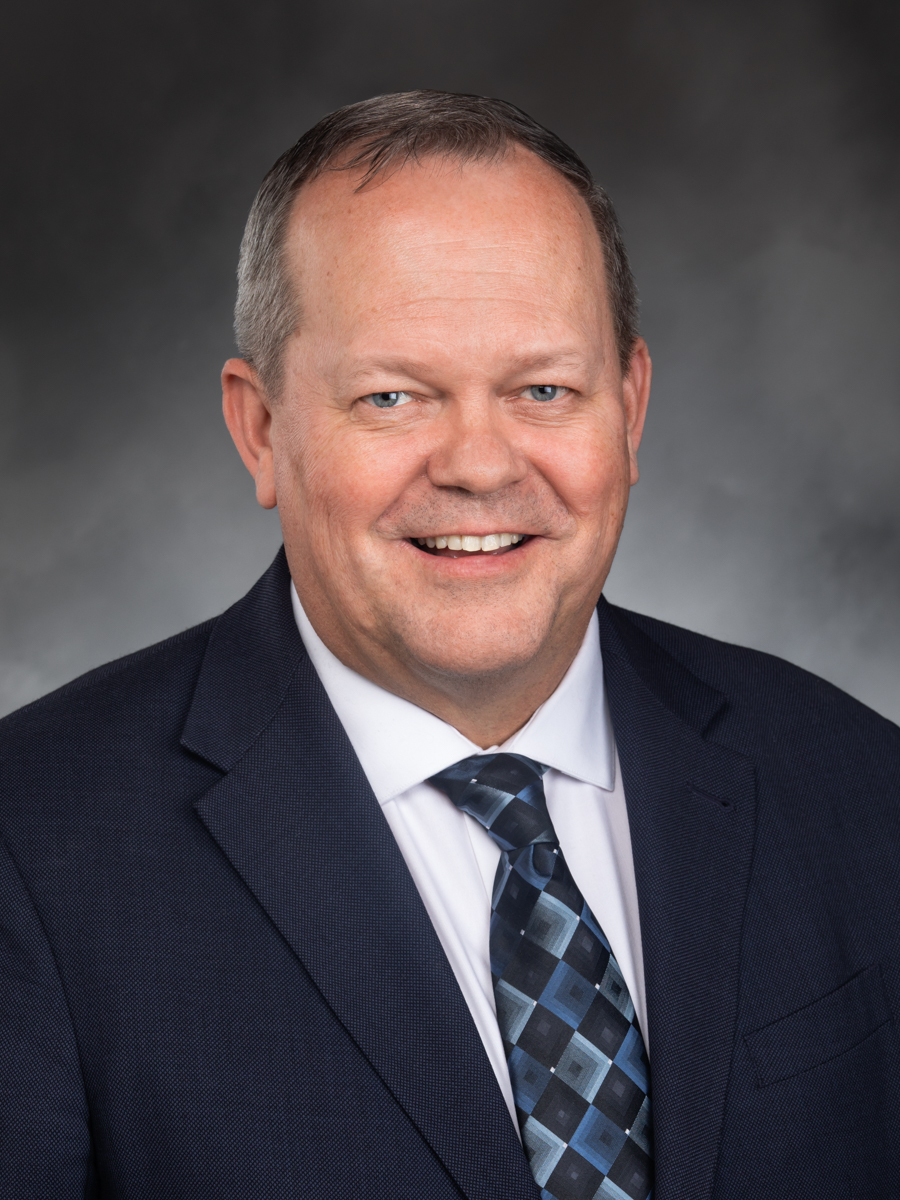
2023-2024 Regular Session Introduced by Matt Boehnke and 13 co-sponsors

Creates rural law student internships and expanded trial-training for public defenders and prosecutors to recruit, train, and retain staff, with stipends/housing, by 2026.

Effective date 6/6/2024.
0
WeVote Research Nonpartisan
Bill Summary · SB 5780

SB 5780 — Expanding training opportunities for public defense and prosecution (Chapter 293, Laws of 2024)

Status: Enacted (Chapter 293, 2024 Laws). Effective date: June 6, 2024.

Purpose

To increase recruitment, training, and retention of attorneys in public defense and prosecution—with particular focus on underserved and rural areas—by creating internship placements for law students/recent graduates and expanding statewide trial training programs.

Key provisions

  • Creates a Law Student Rural Public Defense Program (added to chapter 2.70 RCW)

    • The Office of Public Defense (OPD) shall coordinate with one or more law schools to place law students eligible as licensed legal interns (Adm. & Practice Rule 9) or recent graduates with experienced public defense attorneys in underserved/rural parts of the state.
    • Interns receive supervised, real-world practice opportunities (including active representation and litigation exposure).
    • Contracts for placements must include monthly compensation and housing stipends for participants; may include partial reimbursement for supervising attorneys.
    • Eligible placements include government and nonprofit public defense agencies and private firms that contract to provide public defense services.
    • Implementation is subject to the availability of appropriated funds.
  • Expands the OPD’s Criminal Defense Training Academy (chapter 2.70 RCW)

    • OPD must expand academy capacity to train practitioners new to public defense, prioritize rural/underserved practitioners, provide intensive trial-skills development, incorporate best practices and applicable standards, and offer networking.
    • By June 30, 2026, OPD must also expand offerings to include advanced-qualification training.
  • Creates a Law Student Rural Public Prosecution Program and trial-skills training (added to chapter 43.101 RCW)

    • The Criminal Justice Training Commission (CJTC), or a contracted statewide prosecuting-attorney entity, shall administer similar internship placements for law students/recent graduates with prosecuting attorneys in underserved/rural areas.
    • Contracts must include monthly compensation and housing stipends; may include partial reimbursement for supervising attorneys.
    • CJTC must provide (or contract for) intensive trial skills training for prosecutors new to prosecution, prioritizing rural/underserved areas, and expand to advanced trial skills by June 30, 2026.
    • Implementation is subject to the availability of appropriated funds.

Who is affected

  • Law students and recent law graduates eligible for legal internships (Rule 9).
  • Public defense offices, contracted defense firms, and prosecuting attorney offices—especially in rural and underserved counties.
  • OPD and CJTC as implementing agencies.
  • Supervising attorneys (possible partial reimbursement) and state budget (stipends, training program expansion).

Timeline & implementation notes

  • Enacted and effective June 6, 2024.
  • Required program expansions for advanced training to be in place by June 30, 2026.
  • All activities are explicitly conditioned on the availability of appropriated funds; the bill does not itself appropriate funds (fiscal note available).

Potential impact

  • Aims to strengthen recruitment pipelines and practical training to address shortages of public defenders and prosecutors, especially in rural jurisdictions, and to improve trial-readiness and retention.
  • Will create recurring fiscal pressures if funded (stipends, housing support, training delivery); scope and timing depend on legislative appropriations.

Note: Earlier draft versions of the measure included a proposed law-school loan repayment program; that provision does not appear in the enacted second-substitute text.

Compiled from official sources — confirm details with the bill’s official record.

Sign in to ask a question.