

WeVote

Bill

Bill

HR 9867

Expand the Behavioral Health Workforce Now Act

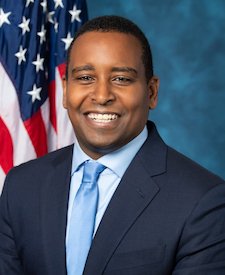
119th Congress Introduced by Joe Neguse and 1 co-sponsor

The bill requires HHS to issue within 12 months guidance to states on Medicaid/CHIP strategies to expand and retain mental health and SUD providers, focusing on rural and underserv

Introduced in House
0
WeVote Research Nonpartisan
Bill Summary · HR 9867

Overview

HR 9867, introduced in the 119th Congress, is titled the Expand the Behavioral Health Workforce Now Act. The bill would require the Secretary of Health and Human Services (HHS) to issue guidance to states within 12 months on Medicaid and CHIP strategies aimed at increasing education, training, recruitment, and retention of mental health and substance use disorder (SUD) care providers. The guidance would emphasize expanding the capacity of the behavioral health workforce in rural and underserved areas and include information on using waivers and authorities under existing federal programs to achieve these goals.

Purpose and Intent

  • Expand the supply and retention of mental health and SUD care providers participating in Medicaid and CHIP.
  • Focus improvements on rural and underserved communities where access to behavioral health services is typically limited.
  • Provide states with practical options and authorities to enhance the workforce through education, training, recruitment, and retention initiatives.

Key Provisions

  • Requirement for guidance: The Secretary of HHS must issue guidance to states within 12 months of enactment.
  • Scope of guidance: Strategies to increase provider education, training, recruitment, and retention for mental health and SUD care providers who participate in Medicaid or CHIP.
  • Geographic focus: Particular emphasis on rural and underserved areas to improve workforce capacity.
  • Use of existing authorities: Guidance should cover how states can leverage waivers under section 1115 of the Social Security Act (42 U.S.C. 1315) and authorities under Titles XIX and XXI of the Social Security Act (Medicaid and CHIP) to facilitate these strategies.

Who/What Is Affected

  • State Medicaid and CHIP programs will be the primary audience for the guidance.
  • Mental health and SUD care providers who participate in Medicaid or CHIP could benefit from expanded education, training, and workforce support.
  • Rural and underserved communities are targeted beneficiaries through improved access to a larger and more capable behavioral health workforce.

Procedural and Timeline Aspects

  • Introduction date: July 22, 2026.
  • Referral: House Committee on Energy and Commerce.
  • Effective timeline: The Secretary must issue the required guidance within 12 months of enactment.
  • Legislative status: Referred to committee for consideration; no further actions listed in the provided text.

Potential Impact

  • By accelerating guidance on leveraging waivers and existing Medicaid/CHIP authorities, states may implement programs to train and retain behavioral health professionals, potentially expanding access in underserved areas.
  • Could influence state policy development related to incentive programs, loan repayment, telehealth expansion, workforce development grants, and waiver-based innovations in behavioral health care delivery.
  • The bill does not itself authorize new funding or direct investment; rather, it focuses on providing strategic guidance to states to enable such efforts within existing authorities.

Compiled from official sources — confirm details with the bill’s official record.

Sign in to ask a question.