

WeVote

Bill

Bill

HF 3567

Exemptions removed from eminent domain procedures for certain takings of property by a watershed district or a drainage authority.

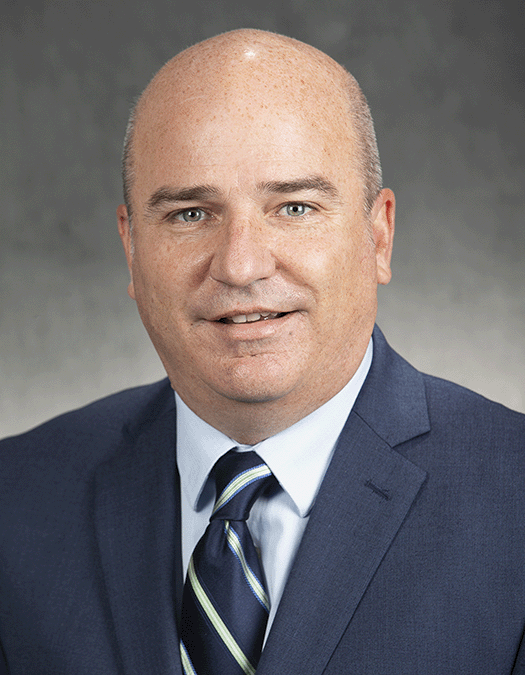
2025-2026 Regular Session Introduced by John Burkel

Bill requires watershed districts and drainage authorities to follow standard eminent domain procedures rather than expedited exemptions when acquiring property for water management projects.

Introduction and first reading, referred to Environment and Natural Resources Finance and Policy
0
WeVote Research Nonpartisan
Bill Summary · HF 3567

Legislative bill overview

HF 3567 removes certain exemptions from eminent domain procedures when watershed districts or drainage authorities acquire property. This means these entities would need to follow standard eminent domain processes rather than use expedited or exempted procedures that may have previously been available to them.

Why is this important

Watershed districts and drainage authorities manage water resources and flood control, which often require land acquisition for infrastructure like retention ponds, channels, and treatment areas. Removing procedural exemptions affects both property owners' legal protections and the speed/cost at which these districts can complete necessary water management projects.

Potential points of contention

  • Property owner protections vs. project efficiency: Stricter eminent domain procedures provide more legal recourse and compensation review for affected landowners but may slow water management projects and increase costs for districts
  • Agricultural impact: Drainage authorities particularly affect farmland; removing exemptions could increase acquisition costs, potentially affecting agricultural communities' ability to participate in drainage improvements
  • Scope ambiguity: The bill's reference to "certain takings" is not defined in the summary, leaving unclear which types of acquisitions are affected or whether all properties are treated equally

Compiled from official sources — confirm details with the bill’s official record.

Sign in to ask a question.