

WeVote

Bill

Bill

SB 147

EXCLUSIONARY PRACTICES ACT

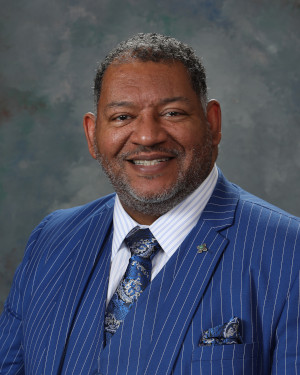
2025 Regular Session Introduced by Harold Pope and 1 co-sponsor

SB 147 restricts exclusionary school discipline practices in New Mexico, keeping students in classrooms via alternatives to suspension and expulsion.

action postponed indefinitely
0
WeVote Research Nonpartisan
Bill Summary · SB 147

Legislative bill overview

SB 147, the Exclusionary Practices Act, would restrict or prohibit certain exclusionary discipline policies in New Mexico schools, likely targeting practices such as suspensions and expulsions that disproportionately affect specific student populations. The bill aims to keep students in classrooms rather than removing them through punitive measures, with possible alternatives like restorative justice approaches or graduated interventions.

Why is this important

School exclusion policies have documented disparities in application—students of color, students with disabilities, and LGBTQ+ youth receive harsher discipline at higher rates. Removing students from classrooms reduces instructional time, increases dropout risk, and can contribute to the school-to-prison pipeline. How New Mexico balances school safety with inclusive discipline practices affects hundreds of thousands of students and shapes educational equity outcomes.

Potential points of contention

  • School safety concerns: Opponents may argue that limiting exclusionary practices reduces administrators' tools to maintain safe, orderly learning environments and removes consequences for serious misconduct
  • Implementation costs: Transitioning to alternative discipline models (restorative justice programs, counseling, behavioral support staff) requires significant training and funding that schools may struggle to absorb
  • Definition and scope: Ambiguity about which practices are "exclusionary" and what alternatives are mandatory could create compliance challenges and litigation between schools and advocacy groups

Compiled from official sources — confirm details with the bill’s official record.

Sign in to ask a question.