

WeVote

Bill

Bill

SB 1125

Excise tax; authorizing counties and municipalities to levy tax on medical marijuana. Effective date.

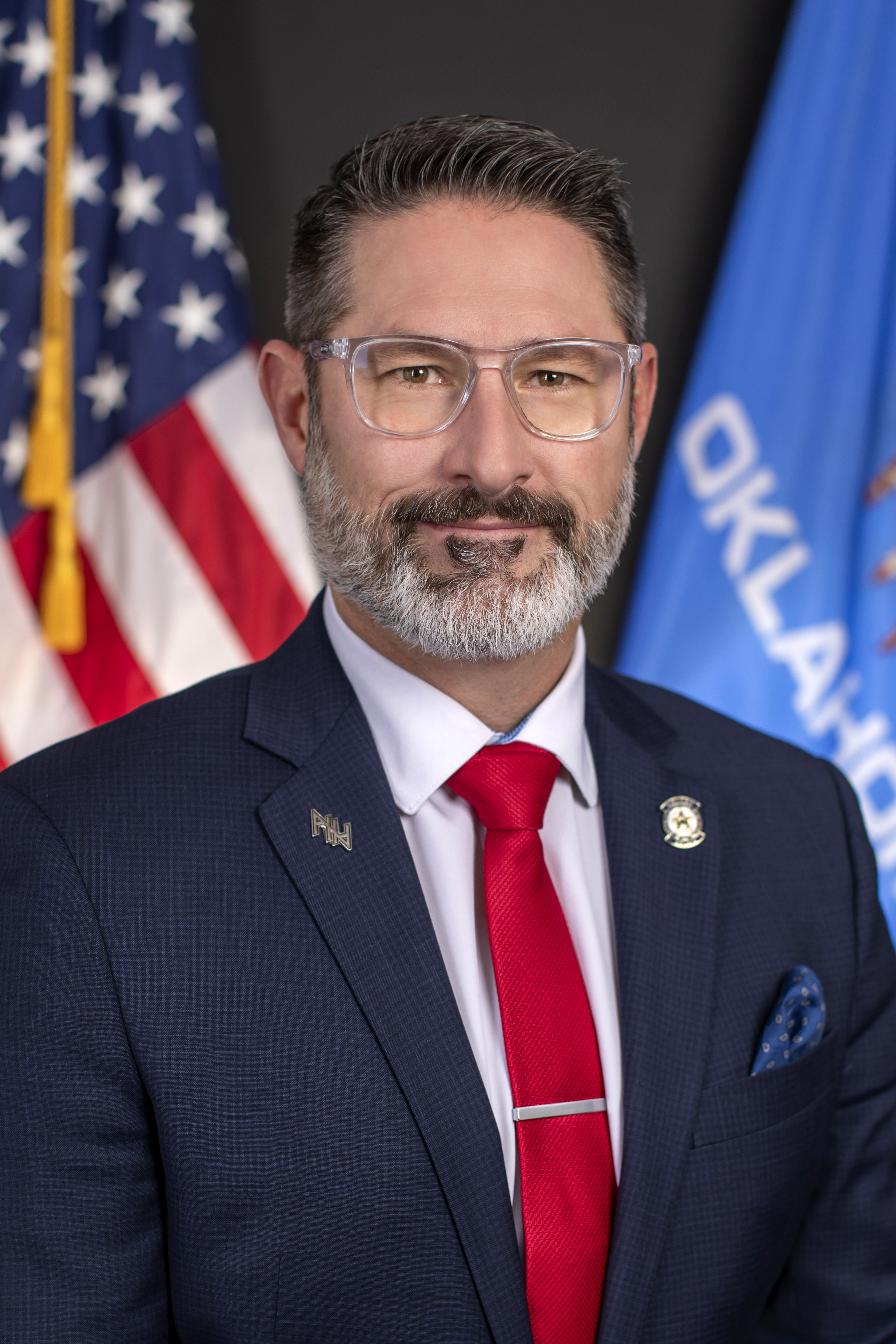
2025 Regular Session Introduced by Dusty Deevers

Arizona SB 1125 would authorize prescribing psychologists to prescribe medications under physician collaborative agreements, with board oversight and limits on multiple agreements.

Placed on General Order
0
WeVote Research Nonpartisan
Bill Summary · SB 1125

Summary — SB 1125 (Arizona, 2025) — “Psychologists; prescribing authority”

Note: The materials supplied include fragments from multiple jurisdictions (including an Illinois SB1125). This summary focuses on the primary, detailed text in the packet: Arizona S.B. 1125 (57th Legislature, 2025) introduced by Senator T.J. Shope, which would authorize a framework for “prescribing psychologists.”

Purpose and intent

The bill establishes statutory authority and limited regulatory structure to permit certain licensed psychologists to prescribe medication under written collaborative agreements with physicians. It creates duties for the Arizona Medical Board to investigate prescribing-related complaints involving prescribing psychologists and makes related, conforming changes across titles dealing with professional boards and prescription regulation.

Key provisions

  • Adds a new statute (proposed 32-1460) creating legal recognition for “prescribing psychologists” and “collaborative prescription agreements.”
    • Permits a physician, subject to rules adopted by the (relevant) board, to enter into a collaborative prescription agreement with a prescribing psychologist.
    • Limits any single collaborating physician to being a party to no more than four collaborative prescription agreements at one time.
    • Cross-references definitions in section 32-2095 for terms such as “prescribing psychologist,” “collaborating physician,” and “collaborative prescription agreement.”
  • Amends Arizona Medical Board statute (32-1403) to add an express duty:
    • The Arizona Medical Board must investigate any charge involving prescribing by a prescribing psychologist and recommend to the State Board of Psychologist Examiners whether the prescribing psychologist engaged in unprofessional conduct or provided incompetent medical care based on the collaborative prescription agreement.
  • Makes additional, broad conforming amendments across multiple statutory chapters referenced in the bill caption:
    • Amendments are noted to chapters governing psychologists (Title 32, pts. for psychologist regulation), the State Board of Psychologist Examiners, and to sections 36-2604 and 36-2606 (statutes that pertain to controlled substances/prescription law). Full text for those changes is not included in the supplied excerpt.
  • Directs that implementation will be “subject to the rules adopted by the board,” indicating a rulemaking role for the relevant licensing board(s) to establish details of practice, supervision, training, prescribing scope, documentation, and safety protocols.

Who is affected

  • Psychologists: those who qualify under new statutory definitions could obtain prescribing authority and would be subject to collaborative agreements and regulatory oversight.
  • Physicians: may serve as collaborating physicians but would be limited to participating in up to four collaborative agreements concurrently.
  • Arizona Medical Board and State Board of Psychologist Examiners: new investigatory, disciplinary and rulemaking responsibilities and coordination obligations.
  • Patients and payers: potential increase in prescribers for certain behavioral/mental health medications; impacts on access to care depend on subsequent rules and training requirements.
  • Pharmacies and prescription monitoring entities: potential operational and reporting impacts if statutory amendments to controlled-substance rules (AR Sects. 36-2604, 36-2606) affect prescribing authority or PMP reporting (text truncated — specifics pending).

Procedural status (as provided)

  • Introduced: February 6, 2025 (Sen. T.J. Shope).
  • Latest noted status in materials: Rule 3-9(a) / Re-referred to Assignments (April 11, 2025).
  • The packet includes other legislative action dates, but the record appears to mix entries from different chambers/jurisdictions; the reader should consult the Arizona Legislature’s official bill portal for an authoritative, current status and the final enrolled text if enacted.

Notes and outstanding details

  • The excerpted bill text is incomplete (several sections truncated). Important operational details — required training/education for prescribing psychologists, exact scope of prescriptive authority (which drug classes or controlled substances, if any), supervision, documentation and patient-safety safeguards — are either delegated to board rulemaking or are in omitted portions.
  • The bill cross-references definitions in another statute (32-2095) — those source definitions should be reviewed to understand eligibility criteria (e.g., required education, certification, supervised practice).
  • Because the text also references amendments to controlled-substance/statutory chapters, implementation could require coordination with prescription monitoring and controlled-substance regulations.

If you want, I can:
- Pull the current, complete Arizona bill text and the referenced section 32-2095 to summarize eligibility/training details; or
- Prepare a short checklist of likely rulemaking topics the boards must address (scope, training, supervision, prescribing limits, PMP reporting).

Compiled from official sources — confirm details with the bill’s official record.

Sign in to ask a question.