

WeVote

Bill

Bill

SB 139

ESTATE TAX-EXCLUSION AMOUNT

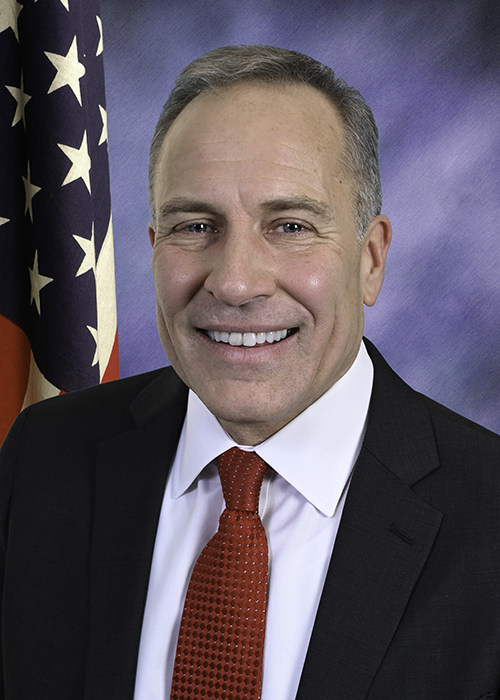
104th Regular Session Introduced by Chris Balkema and 9 co-sponsors

SB 139 modifies Illinois estate tax exclusion thresholds to determine which estates owe state taxes, affecting wealth transfer and state revenue.

0
WeVote Research Nonpartisan
Bill Summary · SB 139

Legislative bill overview

SB 139 proposes to modify Illinois's estate tax exclusion amount, which determines the threshold below which estates are not subject to state estate taxation. The bill adjusts how much wealth individuals can pass to heirs without triggering Illinois's estate tax obligations. This represents a technical but significant change to state tax policy affecting wealth transfer and succession planning.

Why is this important

Estate tax exclusion amounts directly affect how much wealth wealthy Illinois residents can transfer to heirs tax-free. Changes to this threshold influence state revenue, affect estate planning decisions for high-net-worth individuals, and impact family businesses and farms. Illinois currently has one of the most restrictive estate tax exclusions in the nation, making this a frequent point of legislative attention.

Potential points of contention

  • Revenue vs. competitiveness: Increasing the exclusion reduces state tax revenue but may prevent wealthy residents from relocating to states with higher exclusions
  • Economic impact debate: Disagreement over whether the current exclusion harms family business succession or whether the tax is negligible for most estates
  • Fairness arguments: Philosophical differences over whether estate taxes are appropriate wealth redistribution or unfair "double taxation"

Compiled from official sources — confirm details with the bill’s official record.

Sign in to ask a question.