

WeVote

Bill

Bill

A 8833

Establishes understanding artificial intelligence responsibility act

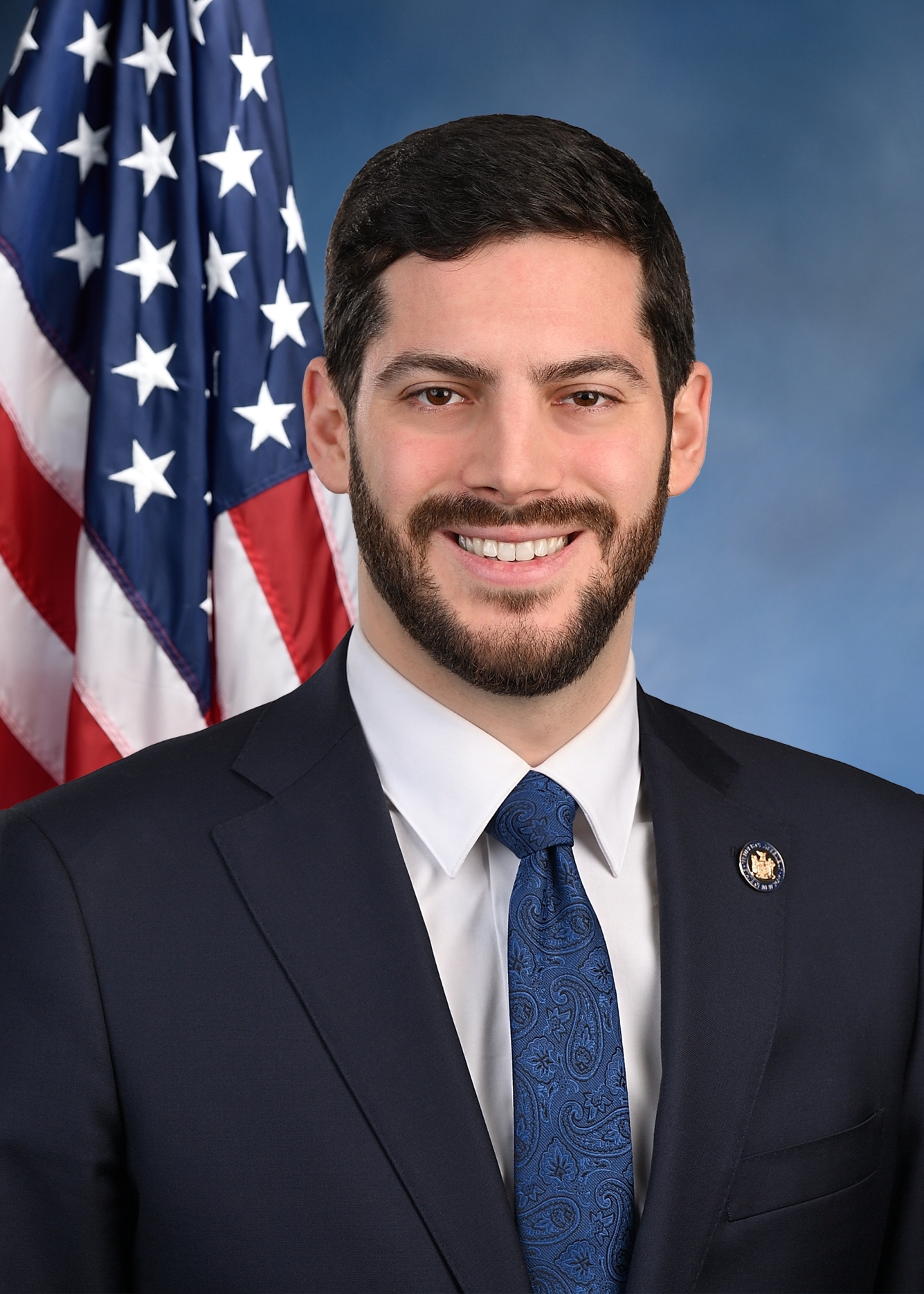
2025 Regular Session Introduced by Alex Bores

The Understanding AI Responsibility Act establishes guidelines for ethical AI use, ensuring safety and transparency while protecting consumers and engaging stakeholders.

REFERRED TO SCIENCE AND TECHNOLOGY
1
WeVote Research Nonpartisan
Bill Summary · A 8833

Summary of Bill A 8833: Establishes Understanding Artificial Intelligence Responsibility Act

Purpose and Intent

Bill A 8833, titled the Understanding Artificial Intelligence Responsibility Act, aims to establish a framework for the responsible development and deployment of artificial intelligence (AI) technologies. The bill seeks to address the ethical, legal, and social implications of AI, ensuring that advancements in this field are aligned with public interest and safety.

Key Provisions

While the specific text of the bill is not provided, the following key provisions are typically expected in legislation of this nature:

  • Establishment of Guidelines: The bill may propose guidelines for the ethical use of AI, focusing on transparency, accountability, and fairness in AI systems.

  • Regulatory Framework: It could establish a regulatory body or designate existing agencies to oversee AI development and implementation, ensuring compliance with ethical standards.

  • Impact Assessments: The legislation may require organizations to conduct impact assessments before deploying AI technologies, evaluating potential risks and societal impacts.

  • Public Engagement: The bill might mandate public consultations to gather input from various stakeholders, including industry experts, ethicists, and the general public, on AI-related issues.

  • Education and Training: Provisions for education and training programs may be included to prepare the workforce for the evolving landscape of AI technologies.

Who Would Be Affected

The Understanding Artificial Intelligence Responsibility Act would impact a wide range of stakeholders, including:

  • Technology Companies: Organizations developing or utilizing AI technologies would need to comply with the new guidelines and regulations.

  • Consumers: The bill aims to protect consumers by ensuring that AI systems are safe, reliable, and transparent.

  • Researchers and Academics: Those involved in AI research may be required to adhere to ethical standards and contribute to public discourse on AI implications.

  • Government Agencies: Regulatory bodies would be tasked with overseeing compliance and enforcing the provisions of the bill.

Procedural Aspects

  • Introduced Date: The bill was introduced on June 09, 2025.

  • Current Status: As of now, the bill has been referred to the Science and Technology Committee for further consideration and discussion.

Conclusion

Bill A 8833 represents a proactive approach to managing the complexities associated with artificial intelligence. By establishing a framework for responsibility and ethical considerations, the legislation aims to foster innovation while safeguarding public interests. Stakeholders in technology, academia, and government will need to engage with the bill as it progresses through the legislative process.

Compiled from official sources — confirm details with the bill’s official record.

Sign in to ask a question.