

WeVote

Bill

Bill

A 10950

Establishes the sports officials protection act establishing the crimes of assault on sports officials and aggravated harassment of a sports official

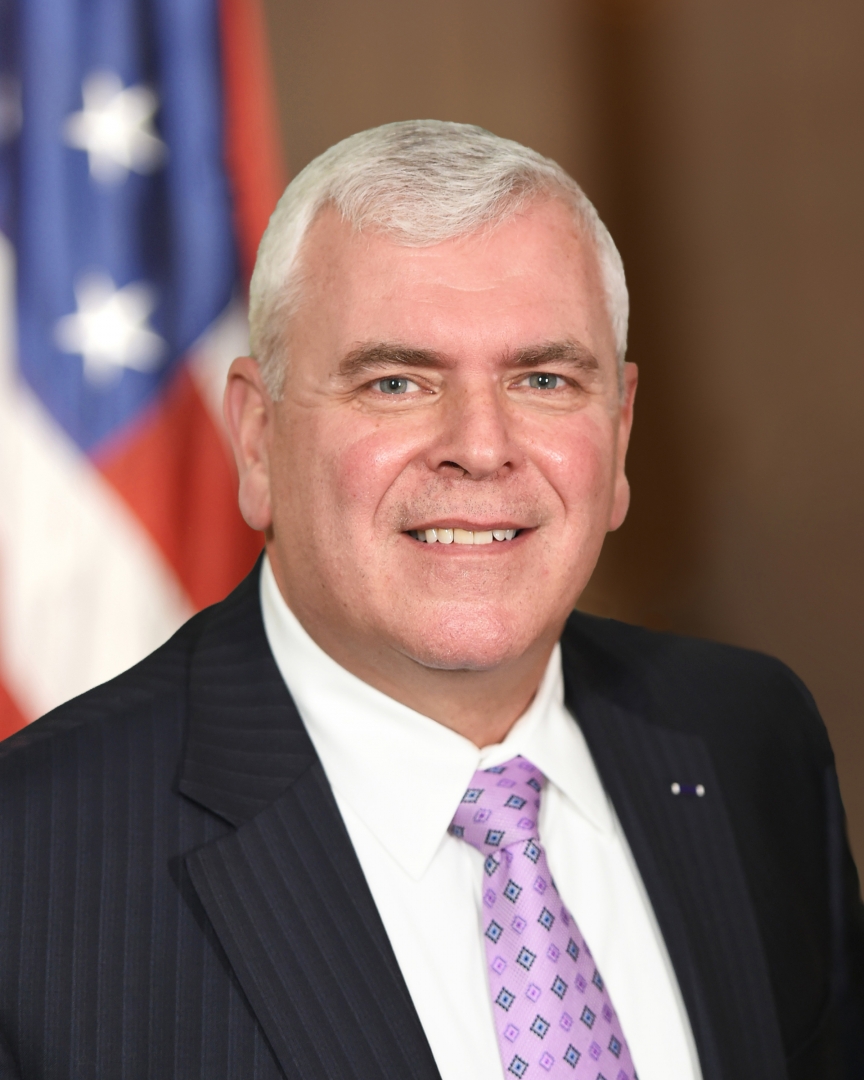
2025 Regular Session Introduced by Joe Angelino and 8 co-sponsors

New York A.10950 creates a new offense of aggravated harassment of a sports official and expands penalties for assaults against officials to protect them at sites and surrounding a

REFERRED TO CODES
0
WeVote Research Nonpartisan
Bill Summary · A 10950

Bill Summary — New York A.10950 (2025-2026)

Title

Sports Officials Protection Act

Purpose and intent

The bill establishes criminal offenses to protect sports officials (including umpires, referees, judges, linesmen, coaches, assistant coaches, and other officials or substitutes at sports contests) from physical harm, harassment, or threats. It creates a specific framework for aggravated harassment of a sports official and amends existing penal code provisions to address these actions.

Key provisions

1) Expansion of assault/harassment penalties

  • The bill adds a new penalty structure for assaults against sports officials, defined broadly to include:
    • Umpires, referees, judges, linesmen
    • Coaches and assistant coaches
    • Any other person participating in an official or substitute capacity at a sports contest
  • The assault is punishable when the offender causes physical injury to a sports official in or around any area where a sports contest and related activities occur (including buildings, fields, and designated parking areas).

2) New statute: Harassment of a sports official (New Penal Law § 240.34)

  • Creates a distinct offense of aggravated harassment of a sports official.
  • Elements include:
    • The offender acts with intent to harass, annoy, threaten, or alarm a sports official
    • The targeted individual is within the scope of the defined sports official roles
    • Specific prohibited conduct includes:
    • Striking, shoving, kicking, or other physical contact (or attempts thereof)
    • Causing a sports official to come into contact with saliva (e.g., expelling saliva at a contest)
    • Communicating threats to cause physical harm or unlawful harm to the property of a sports official, with knowledge or reasonable belief that such communication would cause fear for the official’s safety or property
  • Classification: Harassment of a sports official is a violation (i.e., a standard offense rather than a felony-level designation is stated in the text; enforcement would depend on applicable penalties for harassment as defined by law and any penalties associated with aggravating factors).

3) Clarifications and scope

  • The offenses apply to actions within or around the site of a sports contest, including pre-game and post-game activities and surrounding parking facilities or designated parking areas.
  • The definition explicitly includes a broad roster of individuals functioning in an official capacity or as substitutes at sports events.

Affected parties

  • Sports officials and their property
  • People participating in or attending sports contests who may interact with officials, including players, coaches, teammates, fans, and bystanders
  • Stadiums, arena facilities, and parking areas associated with sports events

Effective date and procedural notes

  • The act provides that it shall take effect 120 days after it becomes law.
  • It was introduced in the Assembly on April 14, 2026 and referred to the Committee on Codes.
  • Sponsors include multiple Assembly members representing a coalition of supporters.

Practical impact and considerations

  • The creation of a specific offense for aggravated harassment of a sports official aims to deter threats, physical aggression, and intimidation targeting officials.
  • Law enforcement and prosecutors would reference the new § 240.34 and the enhanced assault provisions to pursue charges when a sports official is assaulted or harassed in related contexts.
  • The statute clarifies protections for officials during all phases of a contest, including surrounding venues and parking areas, which may influence security planning and event management.

If you’d like, I can compare these provisions to existing New York Penal Law sections or provide a side-by-side with penalties once the exact statutory language and penalty ranges are confirmed.

Compiled from official sources — confirm details with the bill’s official record.

Sign in to ask a question.