

WeVote

Bill

Bill

A 2219

Establishes the "New York Teach Program" conditional tuition waiver

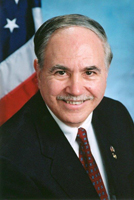
2025 Regular Session Introduced by William Colton and 4 co-sponsors

Establishes the New York Teach Program offering a conditional tuition waiver to aspiring teachers, lowering costs for teacher prep and shaping who can qualify and serve in NY.

REFERRED TO HIGHER EDUCATION
0
WeVote Research Nonpartisan
Bill Summary · A 2219

Legislative Summary: A 2219 — Establishes the "New York Teach Program" Conditional Tuition Waiver

Quick Reference

  • Bill Number: A 2219
  • Title: Establishes the "New York Teach Program" conditional tuition waiver
  • Status: Referred to Higher Education
  • Introduced: January 15, 2025
  • Sponsors:
    • Primary: Jo Anne Simon
    • Cosponsors: William Colton, Catalina Cruz, Donna Lupardo, Philip Ramos
  • Related Bills (prior-session): A 3055, A 1602, A 7232, A 11365

Overview and Intent

A 2219 proposes the creation of a state program named the “New York Teach Program” that would provide a tuition waiver, described as conditional, to participants. The bill’s central aim appears to be expanding access to teacher preparation and certification by reducing the cost of education for individuals who pursue teaching in New York. By tying a tuition waiver to specific conditions, the measure seeks to balance financial support for aspiring teachers with defined commitments that purportedly support workforce needs in education.

Key Provisions (as introduced)

  • Establishment of a program: Creation of the New York Teach Program within the state’s higher education framework.
  • Tuition waiver: Provision of a tuition waiver to eligible participants on a conditional basis. The term “conditional” implies that certain obligations must be met to retain or complete the waiver (e.g., service requirements, post-graduation teaching commitments, or other specified conditions). The exact conditions are not detailed in the provided information.
  • Administration and oversight: While not explicitly described in the summary data provided, such programs typically involve an administering agency (likely a state education or higher education department) and oversight mechanisms to ensure compliance with eligibility and conditions.
  • Eligibility criteria and beneficiaries: The bill would define who may participate (e.g., students pursuing teacher preparation/certification, possibly in-state residents, timelines for degree programs, etc.). Specific criteria are not listed in the current information.

Affected Parties

  • Prospective and current students pursuing teacher education in New York State who meet the program’s eligibility and conditional requirements.
  • Higher education institutions serving teacher preparation programs, which may participate or coordinate with the program.
  • Public education system in New York through anticipated effects on teacher supply and workforce development.

Procedural and Timeline Aspects

  • Current stage: Referred to the Committee on Higher Education. No further action information is provided.
  • Legislative actions to date: Both listed actions are “REFERRed TO HIGHER EDUCATION” on January 15, 2025.
  • Next steps: The committee may hold hearings, amend the bill, and vote before it could advance to the full chamber for consideration. If enacted, implementation details (rules, funding, and rollout) would likely follow in subsequent amendments and a formal plan.

Related Context

  • Related prior-session bills (A 3055, A 1602, A 7232, A 11365) suggest continued interest in state-supported tuition assistance or conditional tuition programs for teacher education. These may provide context or baseline concepts for A 2219.

Potential Impacts and Considerations

  • Access and affordability: Potentially lowers the cost barrier for those pursuing teaching credentials.
  • Teacher workforce: Could influence the supply of teachers, particularly if the waiver is targeted to high-need subjects or districts.
  • Conditions and accountability: The effectiveness depends on the balance between generous support and enforceable obligations; clarity in the waiver conditions will affect participation and outcomes.
  • Funding and sustainability: Long-term viability will require dedicated funding and administrative capacity to manage applications, eligibility, and compliance.

Note: The summary reflects information available from the bill’s introduction and status. For precise language, eligibility specifics, conditions, and funding details, the full bill text and any amendments should be consulted when released. If you’d like, I can incorporate the official bill language and any committee amendments into an updated summary.

Compiled from official sources — confirm details with the bill’s official record.

Sign in to ask a question.