

WeVote

Bill

Bill

A 679

Establishes the crime of coercive control

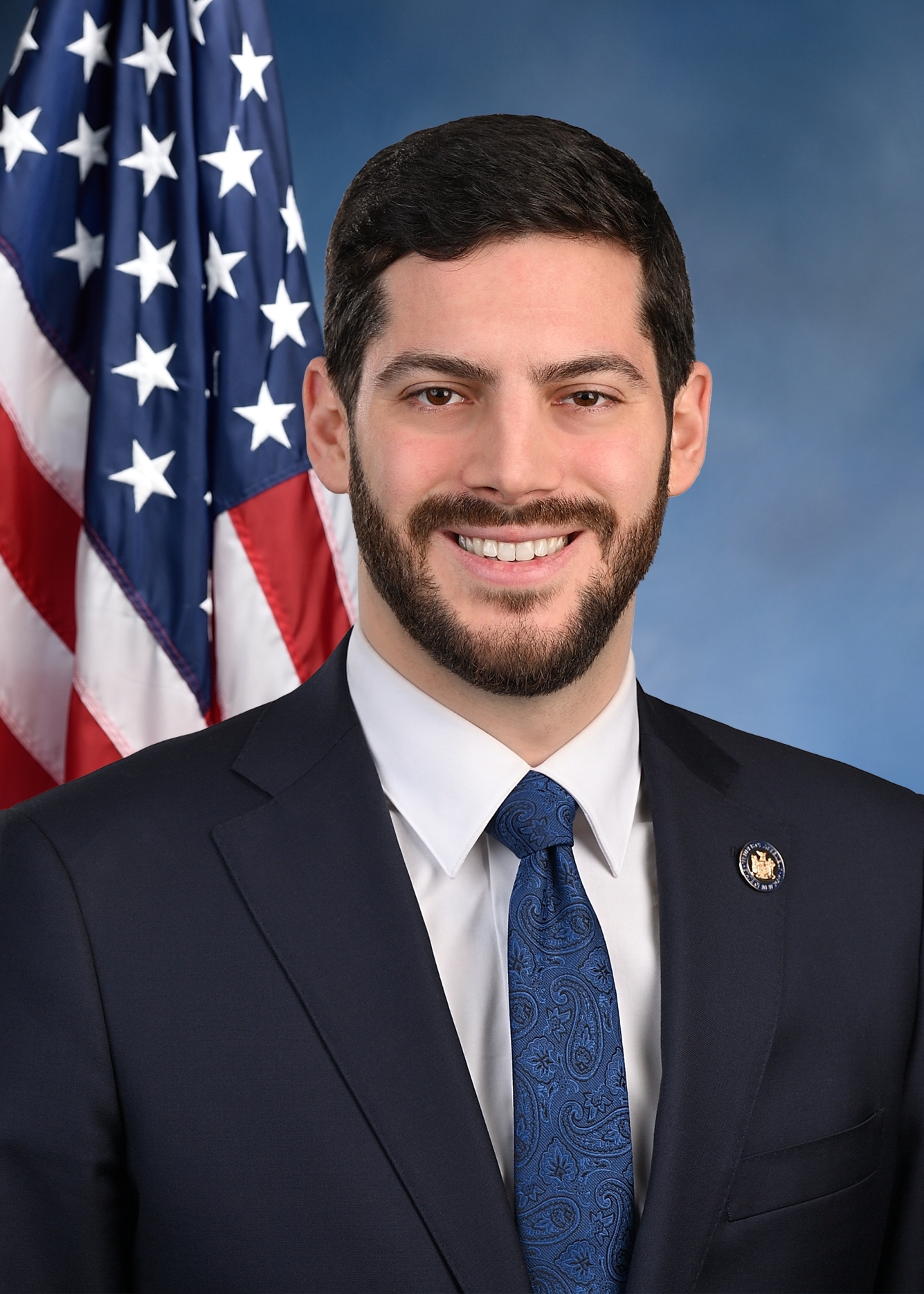
2025 Regular Session Introduced by Alex Bores and 8 co-sponsors

New York would criminalize coercive control, making non-physical abuse in intimate or household relationships prosecutable to hold manipulators accountable and protect victims.

REFERRED TO CODES
0
WeVote Research Nonpartisan
Bill Summary · A 679

Summary: New York Assembly Bill A 679 — Establishes the crime of coercive control

Overview

Bill A 679, introduced January 8, 2025, would create a new criminal offense described as coercive control. The measure has been referred to the Codes Committee, indicating it is at the initial stage of consideration. A companion bill exists in the Senate (S 4079), and there are several related Assembly measures from prior sessions (A 8904, A 3147, A 2707).

Purpose and intent

  • The bill’s stated purpose is to establish the crime of coercive control within the state’s criminal law framework.
  • By creating a standalone offense, the bill aims to address non-physical forms of abuse—patterns of behavior that undermine a victim’s autonomy and safety through ongoing manipulation, surveillance, isolation, intimidation, or other controlling conduct.

Key provisions (status and text not provided)

  • Specific elements of the offense (conduct that would constitute coercive control), definitions, exemptions, and penalties are not included in the information provided.
  • The text would detail how coercive control is proven in court, potential defenses, and related procedural rules (e.g., evidentiary standards, timelines, and any protective provisions for victims).
  • Enactment could interact with existing domestic violence statutes and remedies, but exact interactions are not specified here.

Note: Because the actual bill text is not provided in the materials, the above reflects the bill’s stated aim and the typical framework such offenses include. The precise elements, penalties, and procedural provisions will be contained in the formal bill language.

Who would be affected

  • Potentially individuals who experience coercive or controlling behavior in intimate, familial, or household relationships.
  • Law enforcement, prosecutors, and the judiciary would apply the new offense in relevant cases.
  • Victim-support services and domestic violence programs may engage with the bill’s implementation.

Procedural and timeline aspects

  • Status: Referred to Codes (as of January 8, 2025).
  • Next steps: The bill would typically move through the Codes Committee for hearings, potential amendments, and then to floor votes in the Assembly. A companion Senate bill (S 4079) suggests parallel consideration in the Senate.

Sponsors and related measures

  • Primary sponsor: Andrew Hevesi
  • Cosponsors include: Jo Anne Simon, Nily Rozic, Michael Novakhov, Tony Simone, Catalina Cruz, Phil Steck, Alex Bores, Albert A. Stirpe
  • Related bills: A 8904, A 3147, A 2707 (prior-session); S 4079 (companion)

Potential impact

  • If enacted, the bill would formalize coercive control as a prosecutable crime, potentially enhancing accountability for non-physical abuse and providing another tool for victims and prosecutors.
  • The broader impact on case outcomes, policing practices, and victim safety would depend on the final statutory text, including definitions and penalties.

For readers seeking to understand the bill’s specifics, the next step is to review the formal bill language once released by the Codes Committee or the sponsor’s office.

Compiled from official sources — confirm details with the bill’s official record.

Sign in to ask a question.