

WeVote

Bill

Bill

A 2516

Establishes program for familial dysautonomia, Canavan's and Tay-Sachs disease screening; authorizes department of health to provide grants

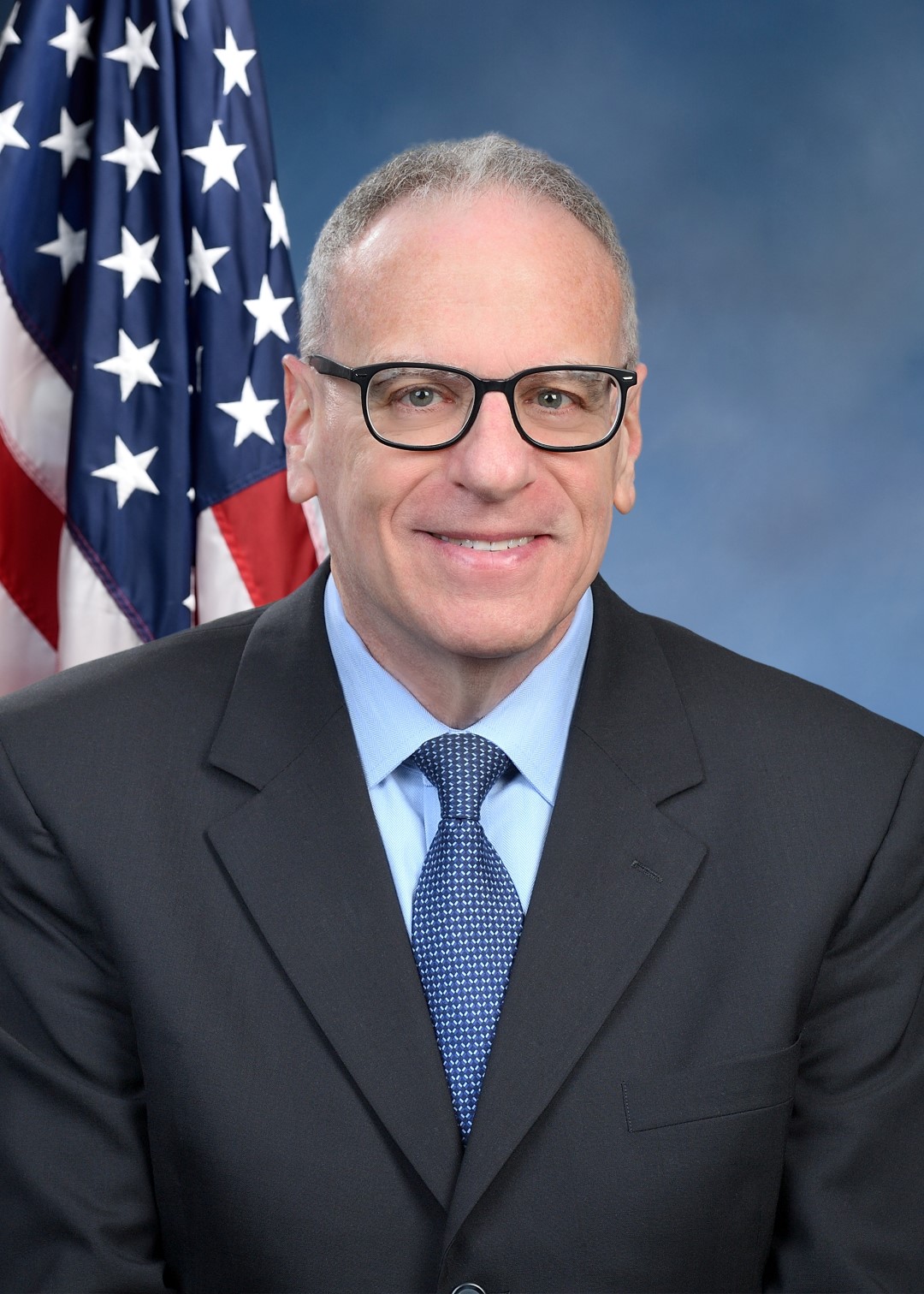
2025 Regular Session Introduced by Jeffrey Dinowitz and 3 co-sponsors

Establishes a state program to screen newborns for familial dysautonomia, Canavan’s disease, and Tay-Sachs, with a DOH-administered grant program to support screening and related s

REPORTED REFERRED TO WAYS AND MEANS
0
WeVote Research Nonpartisan
Bill Summary · A 2516

Summary: A 2516 — Establishes Program for Familial Dysautonomia, Canavan's, and Tay-Sachs Disease Screening; DOH Grants

Overview

A 2516 would create a state program to screen for three specific genetic disorders—familial dysautonomia, Canavan disease, and Tay-Sachs disease—and authorize the Department of Health (DOH) to provide grants to support screening efforts and related activities. The bill reflects an effort to promote early identification and potential intervention for these conditions through organized screening initiatives.

Purpose and Intent

  • Establish a formal program to screen for familial dysautonomia, Canavan’s disease, and Tay-Sachs disease.
  • Empower the DOH to administer a grant program to support screening activities, outreach, education, and related services.
  • Improve early detection and connected care for affected individuals and families.

Key Provisions (as stated by the bill’s title and scope)

  • Establish a screening program covering:
    • Familial dysautonomia
    • Canavan’s disease
    • Tay-Sachs disease
  • Authorize the DOH to design, fund, and oversee a grant program intended to:
    • Support screening implementation by eligible entities (e.g., hospitals, clinics, laboratories, community organizations)
    • Facilitate outreach and education about the disorders and screening options
    • Support confirmatory testing, counseling, and follow-up care as appropriate
    • Collect and utilize data to monitor program effectiveness (within privacy and legal constraints)
  • Provide the DOH with the regulatory and administrative authority necessary to administer the grant program and ensure program quality and accountability.

Affected Parties

  • Newborns and their families, particularly those at risk for or carrying the specified disorders.
  • Health care providers, hospitals, clinics, and laboratories involved in screening, testing, and counseling.
  • Community and public health organizations engaged in outreach and education.
  • State Department of Health, which would administer the program and grants.

Procedural and Timeline Details

  • Introduced: January 17, 2025.
  • Legislative history:
    • January 17, 2025: Referred to Health.
    • April 28, 2025: Reported and referred to Ways and Means (noted twice in the record).
  • Status: REPORTED REFERRED TO WAYS AND MEANS.
  • Fiscal details: The bill authorizes grant funding but does not specify dollar amounts in the available information; the fiscal impact would be determined through the Ways and Means review and subsequent funding allocations.

Sponsors

  • Primary sponsor: Jeffrey Dinowitz
  • Cosponsors: Andrew Hevesi, Linda Rosenthal, David Weprin

Related Legislation

  • Related A-series bills from prior sessions: A 126, A 314, A 412, A 1135, A 3907, A 2461, A 2881, A 2303, A 1813
  • Senate companion: S 7857 (listed as companion; exists in Senate)

Potential Impact and Considerations

  • Positive public health impact through earlier identification and potential access to supportive services for affected individuals.
  • Requires careful implementation to address consent, privacy, data handling, and culturally appropriate outreach.
  • Funding and grant criteria will determine program reach, sustainability, and measurable outcomes (e.g., increased screening rates, follow-up care, and linkage to treatment or support services).

If you’d like, I can add a short side-by-side comparison with the Senate companion or summarize potential fiscal considerations once revenue details are available.

Compiled from official sources — confirm details with the bill’s official record.

Sign in to ask a question.