

WeVote

Bill

Bill

A 7493

Establishes crime of aggravated criminal conduct

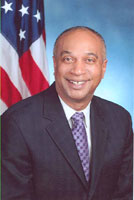
2025 Regular Session Introduced by Gary Pretlow

Creates a new offense, aggravated criminal conduct, potentially broadening liability in certain cases and affecting defendants, prosecutors, and courts.

REFERRED TO CODES
0
WeVote Research Nonpartisan
Bill Summary · A 7493

Summary of Bill A 7493: Establishes crime of aggravated criminal conduct

Overview

Bill A 7493 proposes the creation of a new criminal offense named “aggravated criminal conduct.” The bill was introduced in the New York State Assembly on March 28, 2025 and promptly referred to the Codes Committee, indicating initial stage in the legislative process. The primary sponsor is Assemblymember J. Gary Pretlow.

What the bill would do

  • Establishes a new offense described as aggravated criminal conduct.
  • The available information does not include the bill’s precise elements, definitions, or penalties.
  • As introduced, the bill’s general purpose appears to broaden or intensify existing criminal conduct frameworks, potentially creating enhanced liability under certain circumstances.

Key provisions and unknowns (based on the information provided)

  • Specific elements required to prove aggravated criminal conduct (e.g., subject matter, conduct, target, or aggravating factors) are not listed in the supplied material.
  • Penalties, sentencing ranges, and potential mitigating considerations are not stated in the available summary.
  • Definitions of terms (e.g., what qualifies as “aggravated” and which offenses or behaviors trigger the enhanced charge) are not provided here.
  • Any transitional provisions, retroactivity, or applicability to ongoing cases are not specified.

Who would be affected

  • Defendants: could face a new aggravated criminal conduct charge if the defined aggravating criteria are met.
  • Prosecutors: would have a new offense to charge and would need to apply specific elements and evidence to prove the enhanced crime.
  • Law enforcement and the courts: would implement charging, charging standards, and potential guidelines for handling aggravated conduct cases.
  • Defendants’ counsel and victims: would see changes in charging options, potential penalties, and case strategy depending on the final bill text.

Procedural and timeline aspects

  • Early-stage measure: referred to the Assembly Codes Committee on March 28, 2025.
  • Being in Codes typically means the bill will be reviewed for conformity with existing criminal law, reviewed for any conflicts, and potentially amended, before a full chamber vote.
  • If passed by the Assembly and the Senate (and signed by the governor), the bill would become law; otherwise, it could die or be carried over to a future session.

Legislative history and related bills

  • Related bills from prior sessions (prior-session numbers): A 1614, A 580, A 2551, A 4388, A 7759, A 2151, A 4626, A 3211, A 4479.
  • The presence of multiple related proposals in prior sessions suggests ongoing interest in creating or expanding an aggravated criminal conduct framework.

Potential policy considerations

  • Impact on sentencing: could broaden penalties for certain offenses; details needed to assess deterrence, proportionality, and due process.
  • Prosecutorial discretion: may affect charging decisions and case complexity.
  • Public safety vs. civil liberties: enhanced offenses may raise considerations about over-criminalization, proof requirements, and potential collateral consequences.
  • Administrative impact: possible needs for training, guidance, and resource allocation in law enforcement and courts.

Next steps for readers

  • Monitor for the bill’s text and amendments as it moves through the Codes Committee.
  • Review fiscal notes, if issued, and any analyses regarding penalties, definitions, and constitutional considerations.
  • Compare with prior-session related bills to understand evolving policy intent and proposed elements.

Compiled from official sources — confirm details with the bill’s official record.

Sign in to ask a question.