

WeVote

Bill

Bill

A 4230

Establishes clean energy goals of reducing the annual total of vehicle miles traveled within the state by 20% by the year 2050

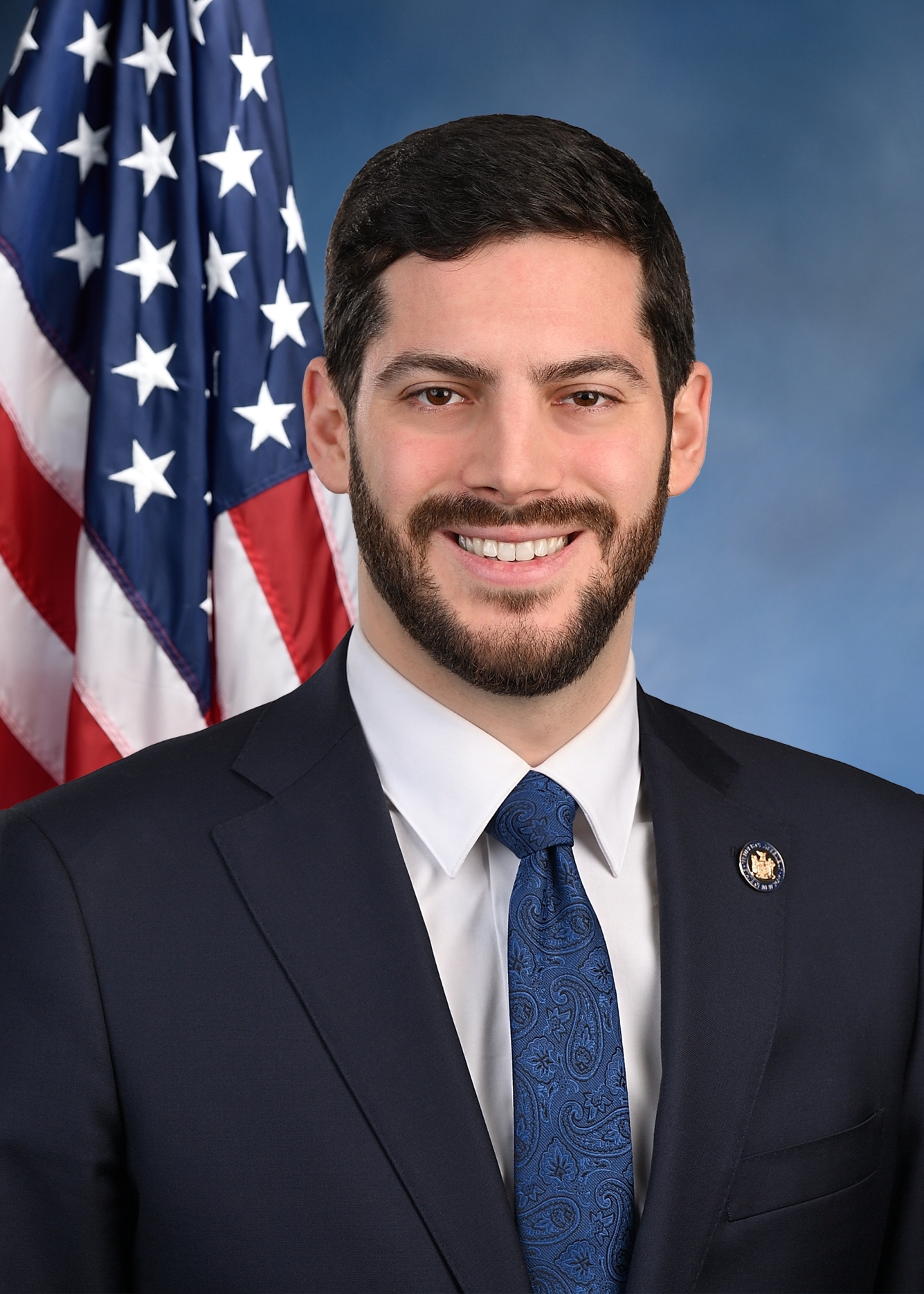
2025 Regular Session Introduced by Alex Bores and 20 co-sponsors

Bill A 4230 aims to cut vehicle miles traveled in the state by 20% by 2050, promoting cleaner transport and improving air quality for residents and local governments.

REFERRED TO ENVIRONMENTAL CONSERVATION
0
WeVote Research Nonpartisan
Bill Summary · A 4230

Summary of Bill A 4230

Bill Information

  • Bill Number: A 4230
  • Title: Establishes clean energy goals of reducing the annual total of vehicle miles traveled within the state by 20% by the year 2050
  • Status: Referred to Environmental Conservation
  • Introduced: January 31, 2025
  • Classification: Bill

Purpose and Intent

Bill A 4230 aims to establish ambitious clean energy goals by targeting a significant reduction in vehicle miles traveled (VMT) within the state. The primary objective is to decrease the annual total of VMT by 20% by the year 2050. This initiative is part of a broader strategy to combat climate change, improve air quality, and promote sustainable transportation practices.

Key Provisions

  • Reduction Target: The bill sets a clear goal of reducing VMT by 20% by 2050, which will require coordinated efforts across various sectors, including transportation, urban planning, and public policy.
  • Implementation Strategies: While specific strategies are not detailed in the bill text, it is expected that the bill will encourage the development of public transportation, cycling infrastructure, and pedestrian-friendly urban designs to facilitate this reduction.
  • Monitoring and Reporting: The bill may include provisions for regular monitoring and reporting on progress towards the VMT reduction goal, although specific mechanisms are not outlined in the current version.

Affected Parties

  • State Residents: The bill will directly impact residents by promoting cleaner transportation options and potentially reducing traffic congestion.
  • Local Governments: Municipalities will likely need to adapt their transportation and urban planning policies to align with the new VMT reduction goals.
  • Environmental Organizations: Advocacy groups focused on climate change and sustainable practices may support the bill, as it aligns with their objectives.

Procedural Aspects

  • Current Status: As of January 31, 2025, the bill has been referred to the Environmental Conservation committee for further consideration.
  • Related Legislation:
    • S 4044: A companion bill that may address similar goals or strategies.
    • A 4120: A prior-session bill that could provide context or background related to this legislative effort.

Conclusion

Bill A 4230 represents a significant step towards achieving cleaner transportation and reducing the environmental impact of vehicle use in the state. By setting a clear target for VMT reduction, the bill aims to foster a more sustainable future while addressing pressing climate issues. Further discussions and developments in the Environmental Conservation committee will determine the bill's path forward.

Compiled from official sources — confirm details with the bill’s official record.

Sign in to ask a question.