

WeVote

Bill

Bill

A 10606

Establishes certification procedures for the profession of nurse anesthesia

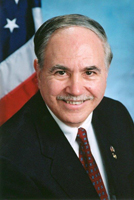
2025 Regular Session Introduced by William Colton and 1 co-sponsor

New York codifies CRNA scope, requires formal practice agreements with physicians, filing protocols, and a state CRNA certification to standardize and oversee nurse anesthesia prac

REFERRED TO HIGHER EDUCATION
0
WeVote Research Nonpartisan
Bill Summary · A 10606

Summary of Bill A.10606 (2025-2026) — New York

Purpose and intent

  • Recognizes certified registered nurse anesthetists (CRNAs) as advanced practice nurses with a codified scope of practice for nurse anesthesia.
  • Codifies the current practice of nurse anesthesia to enhance patient safety and standardize the role across hospitals, ambulatory surgery centers, clinics, professionals’ offices, and other facilities.
  • Clarifies that establishing CRNA certification and scope does not diminish the broader practice of nursing as a registered professional nurse.

Key provisions and changes

codification of nurse anesthesia practice (Education Law §6902, new subdivision 4)

  • Defines the scope of practice for CRNAs when exercising nursing in New York, including:
    • Administration of anesthesia and anesthesia-related care
    • Preanesthetic evaluation and preparation
    • Anesthetic induction, maintenance, and emergence
    • Post-anesthesia care
    • Perianesthetic and clinical support functions
    • Pain management
  • Requires collaboration with a licensed physician qualified by law to determine the need for anesthesia services.
  • Requires a written practice agreement and written practice protocols between the CRNA and collaborating physician.
    • If the practice agreement lacks a provision for resolving disputes, the physician’s treatment prevails.
  • CRNAs may prescribe drugs, devices, and anesthetic agents under the subdivision and Education Law §69-913, subject to the practice agreement and protocols.
    • A department-issued certificate (described below) is required after completing an approved pharmacology component.
  • Practice agreements must include: timely review of patient records by the collaborating physician (no less frequent than every three months), and clearly posted CRNA and physician names in practice settings.
  • Practice protocols must reflect current medical and nursing practice and be filed with the Department within 90 days of starting practice, with allowed periodic updates.
  • Physicians may not enter into practice agreements with more than four CRNAs who are not co-located on the same premises.
  • The provisions do not limit or diminish the general practice of nursing or other authorized activities under law.

CRNA certification process (Education Law §6913, new section)

  • Eligibility to obtain a CRNA certificate:
    • Be licensed as a registered professional nurse in New York
    • Complete an educational program for nurse anesthesia that is registered with the Department or accredited by a national body recognized by the Department (or an equivalent)
    • Hold current national certification or recertification by a recognized certifying body
    • Pay the following fees: $50 initial certificate; $30 triennial renewal
  • The CRNA certificate will specify whether the holder is authorized to prescribe under the practice subdivision.
  • The certificate does not apply to activities already authorized by other laws, rules, or regulations.
  • Hospital-based activity under current Department of Health regulations remains unaffected.
  • If an individual already practicing as a CRNA in a hospital under Department regulations, they may use the title “CRNA” in that context; they may satisfy education requirements for the state certificate via existing authority.
  • Transitional provisions:
    • RN licensees who complete an approved program may practice nurse anesthesia for up to 24 months after program completion as a graduate nurse anesthetist, under the same practice provisions as CRNAs.
    • RN licensees enrolled in an approved program may practice as student nurse anesthetists under supervision (immediately available anesthesiologist or CRNA as needed).
  • The Commissioner may promulgate regulations to implement this section.

Affected parties and scope

  • Certified registered nurse anesthetists (CRNAs) and RN anesthetists seeking CRNA certification in New York.
  • Physicians who collaborate with CRNAs under written practice agreements.
  • Hospitals, ambulatory surgical centers, clinics, professional offices, and other health care facilities where anesthesia services are provided.
  • Other licensed RNs, particularly those pursuing nurse anesthesia education and transitional practice provisions.

Procedural and timeline aspects

  • Effective date: Immediate upon enactment.
  • New requirements must be implemented via regulations by the Commissioner.
  • Practice protocols must be filed with the Department within 90 days of commencing practice and updated periodically.
  • Dispute-resolution provisions are embedded in the written practice agreements.
  • The bill was introduced in March 2026 and referred to the Committee on Higher Education.

Notable details

  • The bill emphasizes patient safety and standardized practice through formalized agreements, protocols, and departmental oversight.
  • It preserves the broader scope and rights of nursing practice outside the CRNA-specific activities.
  • It creates a state-level certification pathway for CRNAs that aligns with national certification and pharmacology prerequirements.

If you’d like, I can provide a side-by-side comparison with current law or extract potential implementation steps for institutions planning to transition to or comply with these requirements.

Compiled from official sources — confirm details with the bill’s official record.

Sign in to ask a question.