

WeVote

Bill

Bill

A 978

Establishes an authorized absence from work for certain emergency services volunteers

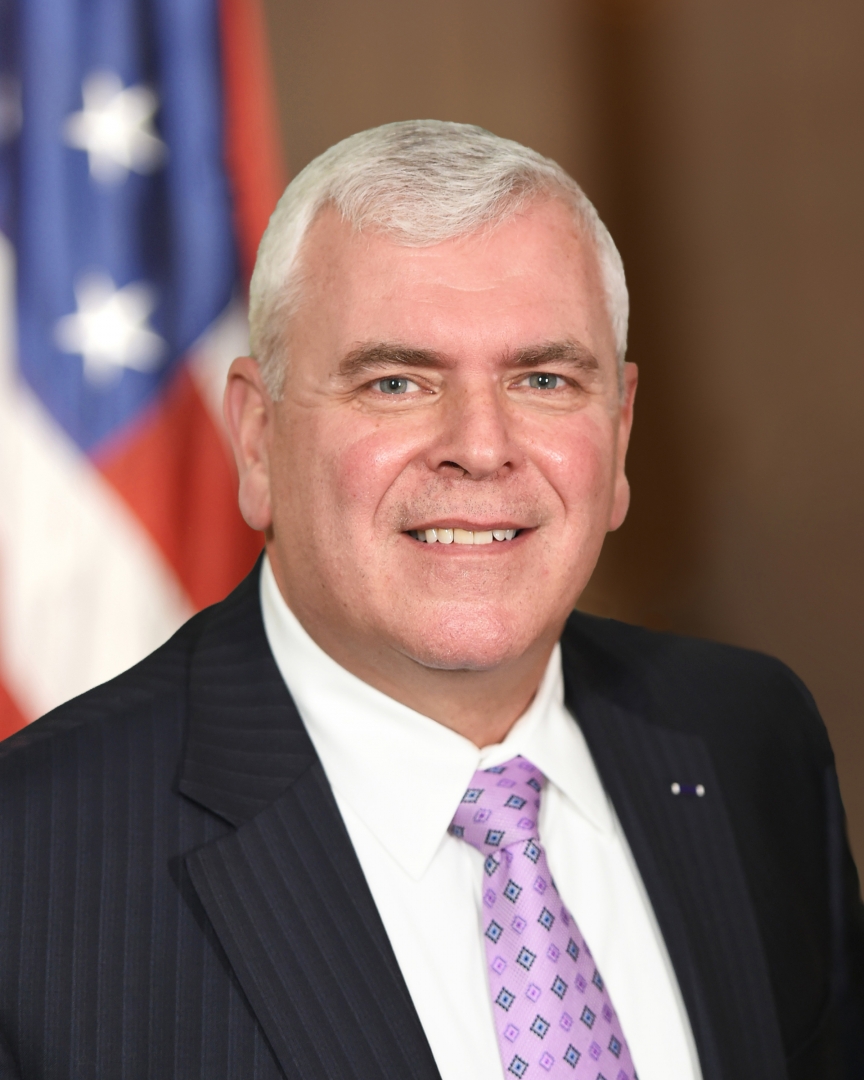
2025 Regular Session Introduced by Joe Angelino and 9 co-sponsors

Establishes an authorized absence from work for emergency services volunteers to respond to emergencies, with employers required to grant the time and protections for the leave.

REFERRED TO LABOR
0
WeVote Research Nonpartisan
Bill Summary · A 978

Summary of New York A 978 – Authorized Absence for Emergency Services Volunteers

Quick overview

  • Bill number: A 978
  • Title: Establishes an authorized absence from work for certain emergency services volunteers
  • Status: Referred to the Labor Committee
  • Introduced: January 8, 2025
  • Classification: Bill
  • Primary sponsor: Joe Angelino (with multiple cosponsors)

What the bill would do (based on the title)

  • The bill aims to establish a framework that allows certain emergency services volunteers to take an authorized absence from work to participate in emergencies or related duties.
  • It would create a formal mechanism for volunteers to be absent from employment for designated emergency response activities.
  • The exact parameters—such as who qualifies, the duration of absence, whether leave is paid or unpaid, notice requirements, and protections for the employee—would be defined in the bill’s text.

Key provisions (as implied by the title and typical structure)

  • Eligibility criteria: Specifications on which volunteers qualify (e.g., membership in a recognized emergency services organization or department).
  • Authorization and duration: Rules governing when absence is permitted and how long it can last.
  • Employer obligations: Requirements for employers to recognize and grant the authorized absence within the scope defined by the bill.
  • Protections and enforcement: Potential protections for volunteers from retaliation or penalties for taking approved leave, and mechanisms for enforcement.
  • Documentation and notice: Any documentation needed from the volunteer and notice timelines to employers.
  • Relationship to other laws: How this leave interacts with existing sick leave, family leave, or other leave statutes.

Note: The exact substantive provisions (e.g., pay status, duration, and protections) would be specified in the bill’s full text. The summary here reflects the bill’s stated purpose and typical components of authorized absence legislation.

Who would be affected

  • Emergency services volunteers who meet the qualifying criteria would potentially be eligible for authorized absences.
  • Employers of such volunteers would be impacted by new requirements to grant or accommodate the authorized absence as defined by the bill.
  • Emergency response organizations and local governments may see changes in workforce management and scheduling to support volunteers’ participation.

Procedural and timeline notes

  • The bill has been referred to the Labor committee, indicating a focus on employment rights and workplace protections.
  • No further actions are listed in the provided material beyond the initial referral on January 8, 2025. Future steps could include committee hearings, amendments, and votes in the full chamber.

Related bills

  • A 1916, A 2156, A 3583, A 4282, A 7344, A 1467, A 2602, A 5293, A 2520 (all prior-session bills related to emergency services leave or similar protections)

Potential impacts to monitor

  • Clarity on whether the authorized absence is paid or unpaid.
  • Duration limits and whether leave is job-protected.
  • Administrative burden on employers and compliance mechanisms.
  • How the measure interacts with other leave laws and payroll practices.

If you’d like, I can tailor this summary to focus on a specific stakeholder group (volunteers, employers, local officials) or compare A 978 to the related prior-session bills to highlight common themes and differences.

Compiled from official sources — confirm details with the bill’s official record.

Sign in to ask a question.