

WeVote

Bill

Bill

A 10432

Establishes a temporary commission to study music and performing arts education programs in New York state correctional facilities

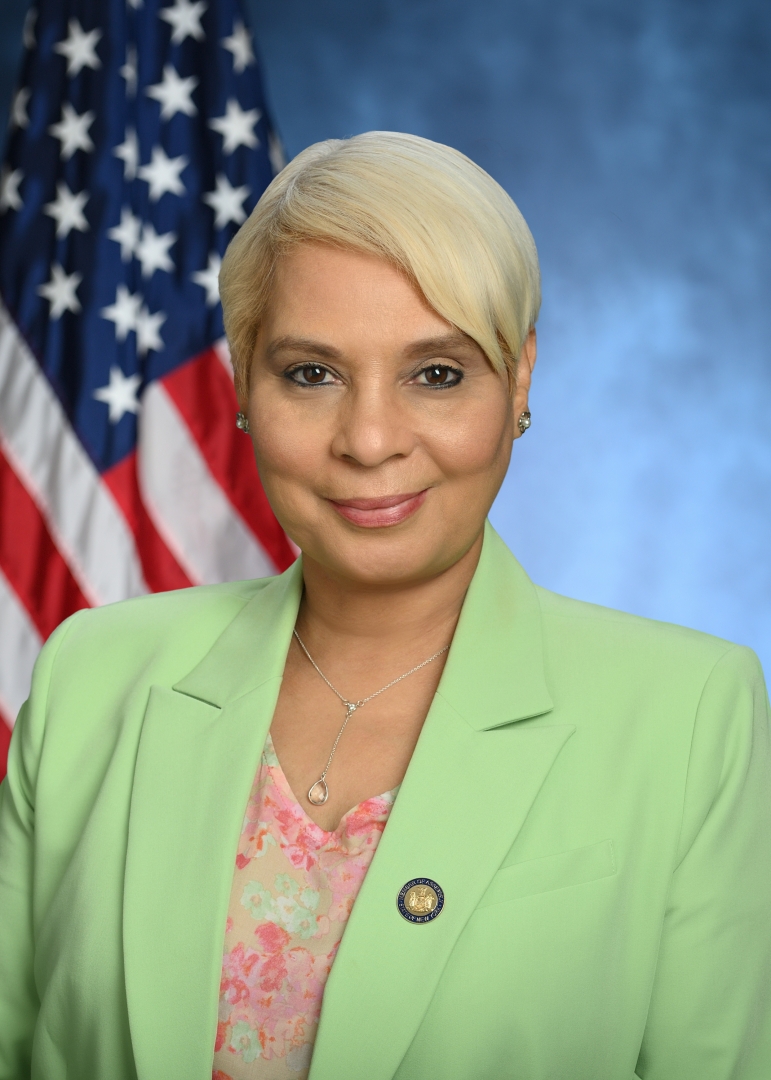
2025 Regular Session Introduced by Maritza Davila and 2 co-sponsors

Creates a temporary commission to study and expand music and performing arts education in NY correctional facilities to reduce recidivism.

REFERRED TO CORRECTION
0
WeVote Research Nonpartisan
Bill Summary · A 10432

Bill Summary: A. 10432 (2025-2026) — Temporary Commission to Study Music and Performing Arts Education in New York State Correctional Facilities

Basic Information

  • Jurisdiction: New York
  • Bill Number: A. 10432
  • Session: 2025-2026
  • Introduced by: Assembly Member Dilan
  • Status: Referred to the Committee on Correction (as of March 6, 2026)
  • Sponsor clarifications: Co-sponsors Erik Dilan, Maritza Davila, Karines Reyes
  • Effective date and expiration: Takes effect immediately and expires 2 years after the date of enactment

Purpose and Intent

  • The bill establishes a temporary state commission to study and make recommendations on expanding music and performing arts education programs within New York state correctional facilities for both youth and adult incarcerated individuals.
  • It asserts that music and performing arts education programs are effective at reducing recidivism and aim to identify how to scale these programs to help incarcerated individuals re-enter society successfully.

Key Provisions

Section 1 — Legislative Findings

  • States that recidivism in New York is around 60% over three years, while participants in arts education programs have a recidivism rate of about 3%.
  • Frames the expansion of these programs as a policy objective to promote post-incarceration reintegration and public safety.

Section 2 — Temporary Commission Establishment and Scope

  • Creates a temporary state commission to study existing music and performing arts education programs in New York correctional facilities and to develop recommendations to expand these programs for both youth and adults.
  • Commission composition:
    • Total of 11 members.
    • Appointments:
    • Governor: 5 members (one from the Department of Corrections and Community Supervision, one from the New York State Council on the Arts, and at least one formerly incarcerated individual).
    • Temporary President of the Senate: 2 members.
    • Speaker of the Assembly: 2 members.
    • Minority Leader of the Senate: 1 member.
    • Minority Leader of the Assembly: 1 member.
    • The commission elects a chair from among its members.
  • Compensation and staffing:
    • Members do not receive pay but may be reimbursed for actual and necessary expenses.
    • The commission may hire staff and set compensation within existing appropriations; staffing can be removed as needed.
  • Powers and duties:
    • The commission may request and receive facilities, assistance, and data from any state agency or political subdivision to fulfill its duties.
  • Deliverable:
    • A report with recommendations for legislative action, due no later than one year after the act’s effective date.
    • The report must be delivered to the Governor, the Temporary President of the Senate, the Speaker of the Assembly, and posted on the Secretary of State’s website, with a parallel posting on the Governor’s website.

Section 3 — Sunset

  • The act expires and is repealed two years after its effective date.

Who Is Affected

  • Incarcerated youth and adults in New York state correctional facilities (programs to be studied and potentially expanded).
  • State agencies and political subdivisions that run or interact with correctional and arts programs (as data/facilities may be requested).
  • Legislative leadership and stakeholders involved in corrections, arts funding, and prisoner rehabilitation programs.

Potential Impact

  • Policy Focus: Encourages expansion of music and performing arts education as a rehabilitative strategy with demonstrable effects on reducing recidivism.
  • Data-Driven Approach: Establishes a formal process to evaluate current programs and identify scalable models and best practices.
  • Stakeholder Inclusion: Ensures input from diverse sources, including at least one formerly incarcerated individual, and major legislative leaders.
  • Timelines: A one-year timeframe for the commission’s final report, with the act sunsetting two years after enactment unless extended or renewed by further legislation.

Notable Details

  • The report is to be posted publicly, promoting transparency.
  • The bill does not authorize immediate funding increases; it creates a study commission and relies on existing appropriations for staffing and expenses.

If you’d like, I can tailor this summary for legislators, policy briefs, or public-facing explanations with a concise one-page overview.

Compiled from official sources — confirm details with the bill’s official record.

Sign in to ask a question.