

WeVote

Bill

Bill

A 3286

Establishes a tax on certain vacant land in the city of New York

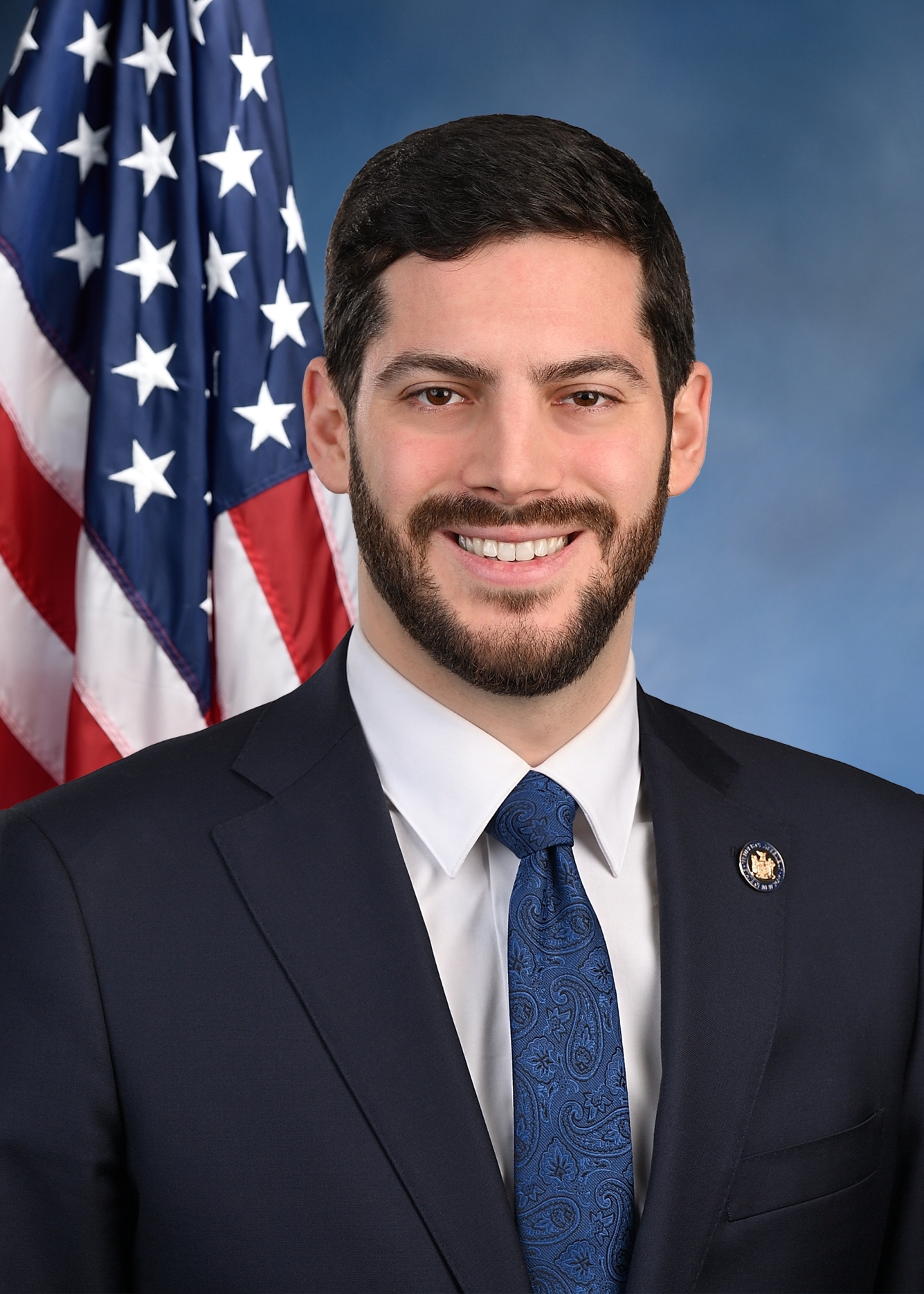
2025 Regular Session Introduced by Alex Bores

Imposes a NYC vacant-land tax to raise city revenue and spur development, targeting owners of unused parcels with rates, exemptions, and collection rules to follow.

REFERRED TO WAYS AND MEANS
0
WeVote Research Nonpartisan
Bill Summary · A 3286

Summary: Assembly Bill A 3286 — Establishes a tax on certain vacant land in the city of New York

Overview

A 3286 is a New York State Assembly bill introduced on January 27, 2025, and currently in committee status. The bill’s stated purpose is to establish a tax on certain vacant land within the City of New York. The primary sponsor is Assemblymember Alex Bores. The bill is classified as a general bill and has a related prior-session measure, A 9565.

Purpose and intent

  • Establish a new tax targeting vacant land parcels located within the City of New York.
  • Generate municipal revenue and (potentially) incentivize development or utilization of vacant parcels.
  • The text would specify the definitions, rate structure, and administration of the tax.

Key provisions (as available)

Note: The exact statutory language, rate, exemptions, and administration details are not provided in the summary materials. The following reflects what would typically be addressed in such a bill; specifics would be defined in the bill text.
- Tax base: Vacant land within New York City as defined by the bill.
- Tax rate and assessment: A defined rate applied to the assessed value or other measure of vacancy; methodology for assessment and any differentiation by parcel size or use.
- Exemptions and thresholds: Possible exemptions or reduced rates (e.g., ancillary public uses, land undergoing active development), to be detailed in the bill.
- Administration and collection: Responsible agency, reporting requirements, payment timelines, and enforcement mechanisms.
- Revenue use: Allocation of collected funds to city programs or services, as specified by the bill.
- Effective date: When the tax would take effect after enactment (and any phased or pilot provisions).

Scope and affected parties

  • Primary affected: Owners of vacant land parcels located within the City of New York.
  • Potential ancillary impacts: Real estate developers, property owners who hold vacant parcels, and possibly lenders or agents involved in property ownership; administrative costs for the city to administer a vacancy-based tax.

Procedural history and timeline

  • Introduced: January 27, 2025.
  • Status: REFERRED TO WAYS AND MEANS (as of the provided information).
  • Legislative actions shown: Two entries on 2025-01-27, both noting referral to Ways and Means.
  • Related legislation: A 9565 (prior-session) indicated as related, suggesting a recurring policy effort to address vacant land use in NYC.

Next steps

  • The Assembly Ways and Means Committee would review, hold hearings, and consider amendments.
  • If advanced, the bill would move to floor consideration in the Assembly, then potentially to the Senate and a conference process if needed.
  • Public commentary and fiscal analyses (e.g., revenue projections) would accompany any further action.

Notes

Textual details (definitions, tax rate, exemptions, and administration) are not provided here. For precise provisions and impacts, consult the bill’s full text and any fiscal notes once released.

Compiled from official sources — confirm details with the bill’s official record.

Sign in to ask a question.