

WeVote

Bill

Bill

A 11345

Establishes a task force to study and make recommendations on chronic absenteeism at public schools in the state of New York

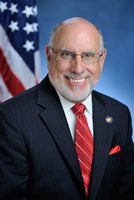
2025 Regular Session Introduced by Michael Benedetto and 3 co-sponsors

Creates a temporary task force to study chronic absenteeism, identify causes, and recommend school, family, and community interventions with a final policy-focused report.

REPORTED REFERRED TO WAYS AND MEANS
0
WeVote Research Nonpartisan
Bill Summary · A 11345

Overview

A11345 would establish a temporary state task force to study chronic absenteeism in New York public schools and issue recommendations to reduce it. The act creates the composition, timelines, and scope for analysis and reporting, with the goal of informing future policy and practice to improve student attendance, well-being, and academic outcomes.

Purpose and intent

  • Create a formal, interdisciplinary body to investigate the root causes and impacts of chronic absenteeism.
  • Develop evidence-based recommendations for effective intervention strategies, school-based supports, and community/family engagement.
  • Provide a structured, public-facing report to key state leaders and committees to inform policy decisions.

Key provisions

  • Establishment and membership
    • A task force on chronic absenteeism in public schools.
    • Core members: the Commissioner of Education and the Commissioner of the Office of Children and Family Services.
    • Seven public members with expertise, including:
    • One appointed by the governor.
    • Two appointed by the Speaker of the Assembly.
    • Two appointed by the Temporary President of the Senate.
    • One appointed by the Assembly minority leader.
    • One appointed by the Senate minority leader.
    • Eleven additional public members appointed by the governor, with specific appointment recommendations from:
    • School Boards Association, Council on School Superintendents, State United Teachers, four from the State Education Department, and four from the Office of Children and Family Services.
  • Appointment timing and operations

    • Appointments due within 30 days of the act’s effective date.
    • Vacancies filled in the same manner as original appointments.
    • Members serve without compensation but may be reimbursed for necessary expenses within available funds.
    • The task force organizes within 30 days of member appointment, selects a chair, and the chair appoints a secretary (not necessarily a member).
  • Scope of work

    • Analyze root causes of chronic absenteeism, including barriers to attendance, disengagement, mental health, school climate, and related factors.
    • Assess impacts on student well-being and academic performance.
    • Develop recommendations for addressing absenteeism, such as school interventions, student supports, parental education, and community engagement.
  • Reporting and timeline

    • Deliver a comprehensive report with findings and recommendations to the Governor, legislative leaders, and key committee chairs and ranking minority members within one year of organizing the task force.
  • Sunset and data housekeeping

    • The act would expire 60 days after the transmission of the task force’s final report.
    • The Commissioner of Education must notify the Legislative Bill Drafting Commission upon transmission to maintain an accurate official text in the state laws database.

Potential impact

  • Creates a formal, multi-stakeholder process to diagnose chronic absenteeism and propose actionable policy and program changes.
  • Brings together education, child/family services, educators, and community stakeholders to address underlying causes (e.g., mental health, climate, family barriers, engagement).
  • Results could inform state or local policy changes, funding priorities, and program design to reduce chronic absenteeism and improve student outcomes.
  • The temporary nature of the task force ensures a focused, time-bound analysis with a final report to guide future actions.

Compiled from official sources — confirm details with the bill’s official record.

Sign in to ask a question.