Summary — A.6192 (2025): Establishes a moratorium on the sale and use of biosolids
Status and procedural history
- Introduced: February 26, 2025 (referred to Assembly Environmental Conservation).
- Multiple committee amendments and reprints (A6192A → A6192B → A6192C → A6192D).
- Reported out of committee and referred to Assembly Rules; ordered to third reading (Rules Cal. No. 730) on June 13, 2025.
- Substituted by S5759C (Senate companion) on June 13, 2025.
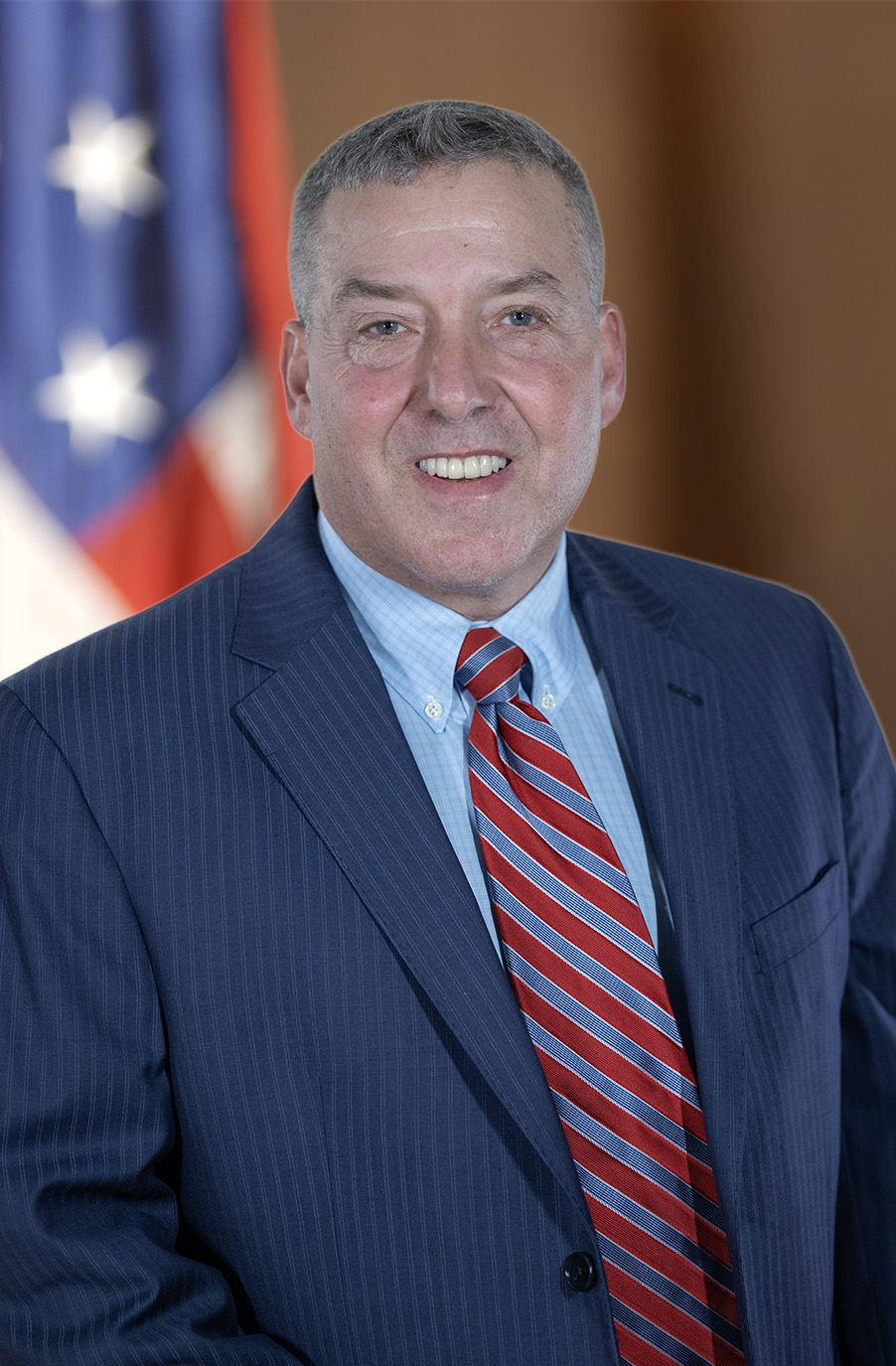
- Primary sponsor (Assembly): Anna Kelles. Many cosponsors from both parties (see list below).
- Companion/related bill: S5759 / S5759C (Senate).
What the bill would do (purpose and intent)
- Title: "Establishes a moratorium on the sale and use of biosolids."
- The bill’s stated purpose is to impose a temporary halt on the commercial sale, distribution and use (including land application) of biosolids in New York State pending further review and action. The moratorium is intended to allow time for additional evaluation of potential environmental, human‑health and regulatory issues associated with biosolids use.
Key provisions (based on title and legislative summary information)
- Place a moratorium on the sale, distribution, transfer, and/or land application of biosolids within the State while the moratorium is in effect.
- Direct one or more State agencies (likely the Department of Environmental Conservation and/or public health authorities) to undertake study/assessment and to report findings and recommendations to the Legislature before the moratorium is lifted. (Exact agency responsibilities, timelines, definitions and exemptions would be specified in the bill text.)
- Provide enforcement authority and penalties for violations of the moratorium (specific penalties not available in the provided materials).
Note: Full bill text was not supplied in the input; the items above are derived from the bill title and usual legislative practice for moratoria. For precise statutory changes, definitions, timelines, exemptions and enforcement details see the official bill text or S5759C.
Who would be affected
- Municipal wastewater treatment plants and utilities that produce or distribute biosolids.
- Companies and facilities that process, sell or apply biosolids (private haulers, processors, pelletizers).
- Farmers, landowners, landscapers, and composters that use biosolids-based amendments.
- Municipalities managing biosolids disposition options (land application, landfilling, incineration, beneficial reuse).
- State and local environmental and public‑health agencies tasked with enforcement, monitoring, and any required studies.
- Potential downstream supply-chain actors (fertilizer industry, nurseries, contractors).
Potential impacts
- Short-term: suspension of existing biosolids sales and land-application programs; affected entities would need alternative disposal or treatment options (e.g., landfill, incineration, long‑term storage), possibly increasing costs.
- Fiscal: potential increased costs to municipalities and wastewater authorities for alternative disposal; possible state agency costs to conduct studies, monitoring and enforcement (details in bill text or fiscal note).
- Environmental/public health: proponents expect the moratorium to allow time for evaluation of contaminants of emerging concern (e.g., PFAS), implementation of better safeguards, or updated regulatory standards; opponents may cite disruption of recycling programs and increased waste-management impacts.
- Regulatory: could prompt additional rulemaking, new monitoring/testing requirements, and future statutory changes governing biosolids.
Next steps and what to watch
- Because A.6192 was substituted by S5759C, the Senate version will likely drive subsequent floor action and any final language. Monitor S5759C’s amendments, committee reports and votes.
- Look for published bill text and fiscal/legal analyses (fiscal note, sponsor memo, and agency comment) for specifics on moratorium duration, definitions, exemptions (e.g., research, emergency disposal), reporting timelines, and penalties.
Sponsors (selected — full list included in legislative record)
- Primary: Anna Kelles
- Cosponsors include Judy Griffin, Sarahana Shrestha, Gabriella Romero, John T. McDonald III, Scott H. Bendett, Jonathan Jacobson, Jo Anne Simon, Linda Rosenthal, Deborah Glick, and others.
For the full bill text, amendment history, committee reports and the substituted Senate version (S5759C), consult the New York State Legislative Retrieval System or official legislative website.