

WeVote

Bill

Bill

A 10143

Establishes a fiscal cliff task force to conduct a study on fiscal cliffs in the state's public assistance programs and to make recommendations related thereto

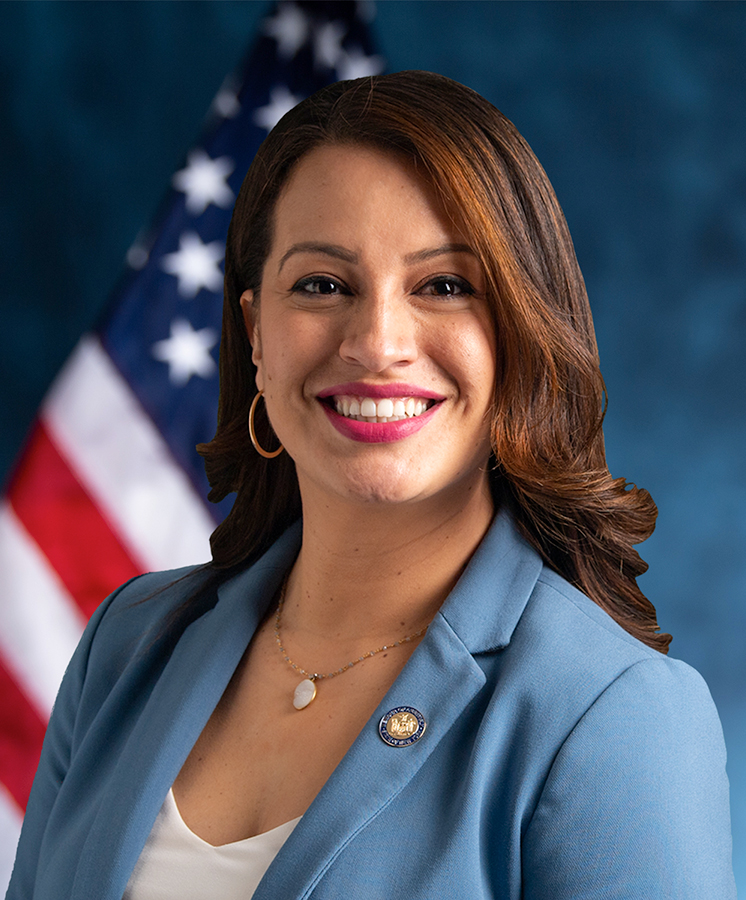
2025 Regular Session Introduced by Catalina Cruz and 11 co-sponsors

Creates a nine-teen member task force to study and propose ways to reduce or eliminate fiscal cliffs in NY public benefits as earnings rise.

SUBSTITUTED BY S8750
0
WeVote Research Nonpartisan
Bill Summary · A 10143

Purpose and intent

  • Establishes a temporary “fiscal cliff task force” to study abrupt drops in public benefits that occur with small increases in earnings, and to develop recommendations to reduce or eliminate such fiscal cliffs in New York.
  • Aims to identify how current public assistance programs interact with earnings and income, and to propose policy changes to mitigate sudden benefit losses.

Key provisions and changes

  • Task force creation and duration
    • A nine-teen member task force is created, with terms ending December 31, 2028.
    • Appointments: 2 (Senate majority), 1 (Senate minority), 2 (Assembly majority), 1 (Assembly minority), 5 (Governor), 3 local social services district commissioners or designees (one district with 5 million+ inhabitants), plus specific commissioners/designees from OTDA, Health, Tax and Finance, Labor, and OCFS.
    • Geographic representation required; appointments within 60 days of effective date.
    • Task force to elect a chair, vice-chair, and other officers from among members.
    • Quorum requires a majority of members then in office.
  • Meetings and operations
    • Must meet at least quarterly; can meet via teleconference.
    • Special meetings allowed; members are reimbursed for actual expenses (no compensation).
  • Study scope and focus
    • Conducts a comprehensive study of fiscal cliffs across the state's public assistance programs, including:
    • SNAP, HEAP, housing assistance, child care tax credits and other tax credits, STAR and other real property tax credits/reductions, Medicaid, NY State of Health, child care subsidies tied to income, cash benefits, effective tax rates, and any program/service tied to income.
    • Examines causes of fiscal cliffs, such as:
    • Monetary allotments, asset tests/limits, income disregards, and how earnings (e.g., minimum wage) affect benefit receipt.
  • Recommendations
    • Proposes ways to reduce/eliminate fiscal cliffs, including programmatic and policy modifications.
    • May include recommendations on:
    • Changes to earned income tax credit (EITC) or other tax credits.
    • Potential amendments to New York codes, rules, and regulations.
    • Other actions the task force deems appropriate.
  • Interagency cooperation
    • Task force may request studies, surveys, or analyses from state departments, commissions, agencies, or public authorities.
    • All agencies must provide timely information and assistance.
  • Staffing
    • OTDA shall provide staff and necessary administrative support to the task force.
  • Reporting and timeline
    • Preliminary report due to the Governor and Legislature by January 1, 2028.
    • Final report due by September 1, 2028, including findings, conclusions, recommendations, and any proposed legislation for implementation.
    • Reports may include legislative proposals deemed necessary by the task force.

Who is affected

  • State residents receiving public assistance and benefits tied to income (e.g., SNAP, HEAP, Medicaid, Child Care subsidies, housing assistance, and tax credits).
  • Public authorities and state agencies administering these programs (OTDA, Department of Health, Tax and Finance, Department of Labor, OCFS, local social services districts).
  • Policy makers and stakeholders involved in the design and funding of public benefit programs.

Procedural and timeline notes

  • Effective date: Bill takes effect immediately.
  • Sunset: Provision repeals three years after enactment (or upon expiration of the act’s term), aligning with the stated end date of the task force.
  • Appointments due within 60 days; preliminary report by January 1, 2028; final report by September 1, 2028.
  • The bill is a study-and-recommendation measure, with potential follow-on legislative proposals contingent on task force findings.

Compiled from official sources — confirm details with the bill’s official record.

Sign in to ask a question.