

WeVote

Bill

Bill

A 808

Establishes a drug checking program

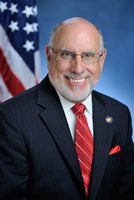
2025 Regular Session Introduced by Michael Benedetto and 22 co-sponsors

Establishes a statewide drug checking program to test substances, reduce overdose risk, fund community testing sites, and surveil drug trends while protecting client privacy.

REPORTED REFERRED TO WAYS AND MEANS
0
WeVote Research Nonpartisan
Bill Summary · A 808

Summary — A808 (2025): Establishes a drug checking program

Status: REPORTED, REFERRED TO WAYS AND MEANS
Introduced: January 8, 2025
Sponsor: Assemblymember Anna Kelles (primary); cosponsors include John T. McDonald III, Andrew Hevesi, Linda Rosenthal, Demond Meeks, and others.
Companion bill: S56 (Senate)

Purpose / Intent

A808 would establish a statewide drug checking program to reduce overdose risk and improve public health surveillance by providing accessible, community-based substance testing services. The program is intended to help people who use drugs know the contents of substances they possess, to inform harm reduction outreach, and to collect data on emerging illicit drug supply threats (e.g., fentanyl contamination).

Key provisions (overview)

The bill creates an organized framework for drug checking services. While the bill text should be consulted for exact legal language, the core elements typically included are:

  • Program establishment and oversight: authorizes a state agency (commonly the Department of Health) to create and administer a drug checking program and issue guidance or regulations.
  • Grants or contracts: authorizes funding and grant-making to community-based organizations, harm reduction programs, syringe services programs, mobile units, and local health departments to provide on-site testing.
  • Approved testing methods: allows use of point‑of‑care technologies (e.g., test strips, reagent tests, portable spectrometers) and referral to certified laboratories for confirmatory testing.
  • Confidentiality and non‑criminalization protections: includes provisions to protect clients from prosecution or civil penalties for possession when accessing testing services (subject to the bill’s specific language), and to protect personal data collected from clients.
  • Data collection and reporting: requires aggregate reporting of testing results and trends to state public health authorities to support surveillance and early warning systems while protecting individual privacy.
  • Training and quality assurance: mandates training for staff who conduct testing and protocols for sample handling, quality control, and result communication.
  • Education and linkage to services: requires programs to provide harm reduction counseling, naloxone distribution, referrals to treatment and other social services, and public education about risks associated with certain substances.
  • Liability protections: may include limited legal protections for organizations and personnel conducting testing in good faith.

Who would be affected

  • People who use drugs and their communities — increased access to information about drug contents and associated risks.
  • Community-based harm reduction organizations and local health departments — potential new funding, responsibilities, and operational standards.
  • State public health agencies — new surveillance data and program administration duties.
  • Law enforcement and criminal justice systems — possible changes in how evidence and data from testing sites are treated (depending on statutory protections).

Procedural / timeline notes

  • Introduced Jan 8, 2025; referred to the Assembly Health Committee.
  • Amended several times (print versions 808A, 808B, 808C) and recommitted to Health.
  • Reported and referred to the Assembly Ways and Means Committee on May 19, 2025, indicating the bill has fiscal implications and is awaiting consideration regarding funding.

For exact program mechanics, statutory language, fiscal appropriations, and any immunity or privacy limits, consult the bill text (A808) and associated legislative memos and fiscal notes.

Compiled from official sources — confirm details with the bill’s official record.

Sign in to ask a question.