

WeVote

Bill

Bill

S 5231

Equity in Pretrial Health Coverage Act

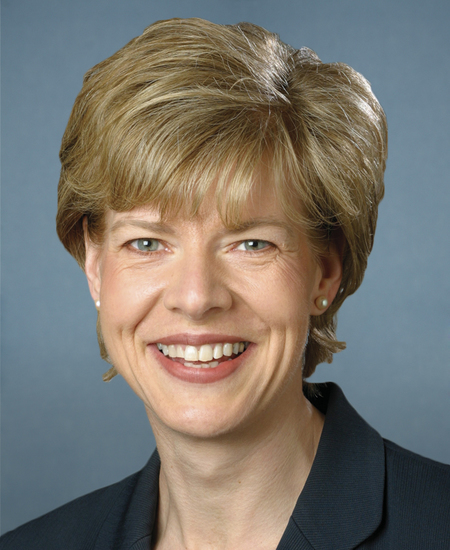
119th Congress Introduced by Tammy Baldwin and 6 co-sponsors

The bill would establish and fund pretrial health coverage to ensure timely, equitable medical care for individuals in pretrial custody.

Introduced in Senate
0
WeVote Research Nonpartisan
Bill Summary · S 5231

Equity in Pretrial Health Coverage Act (S. 5231, 119th Congress)

Purpose and intent

  • The bill aims to promote equity in health coverage for individuals involved in the pretrial process. Specifically, it seeks to address disparities in access to health care and related services for people who are detained or otherwise subject to pretrial custody.
  • By focusing on pretrial health coverage, the measure intends to remove barriers to timely medical assessment, treatment, and preventive care that may arise before a case is resolved.

Key provisions and changes (as introduced)

  • Establishes statutory mechanisms to ensure certain health coverage or coverage-like protections are available to individuals in the pretrial setting. The exact design may involve federal standards, funding, or coordination with existing public health programs to ensure continuity of care.
  • Likely includes guidelines for eligibility, scope of services, and the entities responsible for delivering or financing pretrial health coverage, such as health plans, public health programs, or partnerships with state and local agencies.
  • May authorize appropriations or grants to support implementation, training, and oversight to ensure compliance with the equity objectives.
  • Could set reporting or monitoring requirements to assess the impact on health outcomes, access to care, and potential reductions in health disparities among the pretrial population.
  • Anticipates coordination with other federal health, criminal justice, and social service programs to align with broader equity and public health goals.

Affected stakeholders

  • Individuals in the pretrial phase, including those detained or otherwise under pretrial supervision, who would gain improved access to timely health assessments, treatments, and preventive services.
  • State and local criminal justice systems, jails, courthouses, and probation departments responsible for implementing health coverage provisions.
  • Health care providers and insurers, particularly those participating in public programs or contracts related to pretrial populations.
  • Policymakers, public health agencies, and the judiciary, which would oversee and evaluate program effectiveness and compliance.

Procedural and timeline aspects

  • Status: Introduced in the Senate and referred to the Committee on Finance (as of the latest action 2026-08-04). This indicates the bill will undergo committee review, potential amendments, and a fiscal analysis before advancing.
  • Given the Finance Committee referral, provisions may include budgetary implications, funding mechanisms, and financial compliance considerations.
  • No explicit date for floor consideration is listed; progression would depend on committee hearings, markup, and scheduling by Senate leadership.

Practical impact and considerations

  • If enacted, the bill could standardize or improve access to health coverage for individuals during the pretrial period, potentially reducing health-related bail and detention inequities and improving health outcomes.
  • The emphasis on equity suggests a focus on populations disproportionately affected by pretrial health access gaps, such as low-income or marginalized groups.
  • Financial implications would be shaped by funding levels, eligibility criteria, and the scope of services covered.

Co-sponsors and advocacy context

  • Senate sponsors and co-sponsors include several prominent progressive voices: Tammy Baldwin, Cory Booker, Elizabeth Warren, Alex Padilla, Ed Markey, Jeff Merkley, and Amy Klobuchar.
  • The broad and high-profile support signals a prioritization of health equity within the criminal justice intersection and may influence the bill’s emphasis on research, accountability, and outcomes.

Note: This summary is based on the available action history and sponsor information. The precise text of the bill would provide detailed definitions, eligibility criteria, covered services, funding amounts, and implementation timelines.

Compiled from official sources — confirm details with the bill’s official record.

Sign in to ask a question.