Summary of HR 8607 (Equitable Transit Oriented Development Support Act)
Jurisdiction: United States Congress | Session: 119th | Introduced: April 30, 2026
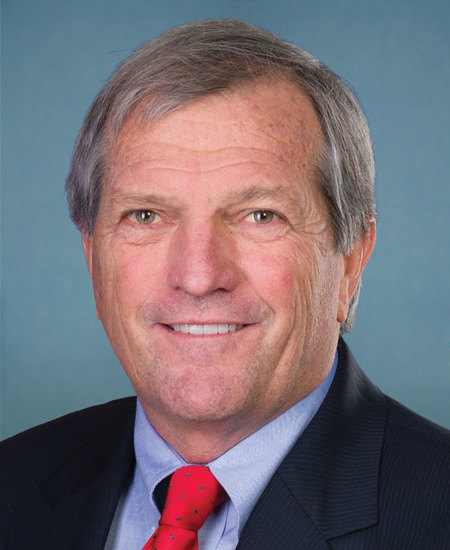
Sponsor: Rep. Mark DeSaulnier (co-sponsor)
Purpose
- To amend title 23 of the United States Code to modify the Transportation Finance Infrastructure and Innovation Act (TIFIA) program to explicitly support and prioritize community development financial institutions (CDFIs) and their role in financing transit-oriented development (TOD). The bill establishes a new framework for CDFI TOD accounts and expands eligibility, underwriting, funding, and project criteria to promote equitable TOD in low-income communities.
Key Provisions and Changes
1) Expanded program scope and definitions
- Adds “CDFI TOD account” as a recognized instrument within the TIFIA program.
- Defines CDFI TOD accounts and codifies terms related to CDFIs, TOD projects, investment areas, and low-income communities.
- Clarifies that TOD projects can include commercial facilities, community facilities, and housing serving or located in low-income communities.
2) Eligibility, underwriting, and project selection
- Allows a CDFI to be treated similarly to other project sponsors for eligibility, with special credit underwriting support from the Treasury Department.
- Permits Treasury-backed credit assessments in lieu of investment-grade ratings for CDFI participants.
- Requires that investments in CDFI TOD accounts meet specific caps on eligible project costs (for case in point, eligible project costs not to exceed $100 million for CDFI TOD accounts, as specified in the bill).
3) Financing terms for CDFI TOD accounts
- Establishes a secured loan mechanism for CDFI TOD accounts with terms that support project sponsors:
- Loans up to a percentage of eligible project costs (up to 80% as a general reference).
- Repayment starting within 5 years after project completion, with final maturities up to 30 years.
- Interest rates set to cover administrative, monitoring, servicing, and capital costs.
- Loans secured with a priority of repayment as determined by the CDFI.
- Allows relending and evolving loan structures, including a delegated lending model.
4) Memorandum of Understanding and Treasury collaboration
- Requires a memorandum of understanding between the Secretary of Transportation and the Secretary of the Treasury to support credit underwriting, servicing, and monitoring for CDFI TOD accounts and to provide credit support through the Community Development Financial Institutions Fund.
5) Program administration and implementation
- The Secretary of Transportation must issue program guidance and begin accepting applications within 180 days of enactment.
- Adds specific provisions for annual reporting by CDFIs and alignment with Federal requirements, with some flexibility to adjust to the objectives of the CDFI TOD program.
6) Set-aside funding and administration
- Creates a CDFI TOD set-aside: up to 10 percent of the total annual TIFIA funding may be reserved for CDFI TOD accounts.
- Unobligated CDFI TOD set-aside funds may be reobligated on non-CDFI TOD projects.
- Allows the Secretary to reimburse the Treasury up to 10 percent of program administration costs using set-aside funds, subject to annual limits.
7) Program expansion within the statute
- Adds a dedicated section (Chapter 6) to codify “Community Development Financial Institution Transit-Oriented Development” with detailed definitions, accounts, and operating rules.
- Requires consistent annual reporting and compliance with applicable federal laws, while permitting some deviations to better meet TOD equity goals.
Impact and Stakeholders
- Target Beneficiaries: Low-income communities in urban or rural Investment Areas. The bill aims to accelerate equitable transit-oriented development by channeling FTA/TIFIA resources through CDFIs that specialize in community development finance.
- CDFIs: Receives a formal mechanism (CDFI TOD accounts) to fund TOD projects with secured loans and reinvestment of repayments and income to expand lending capacity.
- Local and State Governments, Project Sponsors, and Transit Agencies: Potentially faster access to federal credit assistance for TOD projects in underserved areas.
- Treasury and Transportation Departments: Increased coordination for credit underwriting and risk management; more structured oversight of CDFI TOD accounts.
Procedural and Timeline Considerations
- Referred to the House Committee on Transportation and Infrastructure on April 30, 2026.
- Implementation guidance required within 180 days after enactment.
- Set-aside funding and program administration provisions become effective with the program’s funding cycle (fiscal year allocations).
Note: The bill emphasizes equity by prioritizing TOD projects that serve low-income communities and by leveraging CDFIs to expand access to federal credit tools within the transportation finance program.