

WeVote

Bill

Bill

SR 675

EQUAL PAY DAY

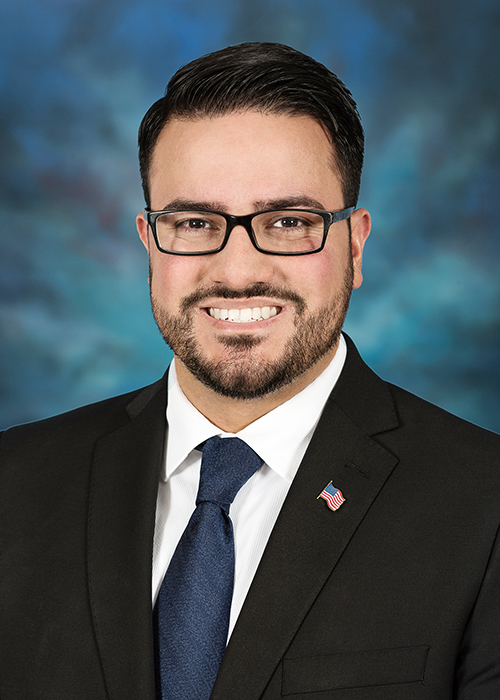
104th Regular Session Introduced by Omar Aquino and 13 co-sponsors

The resolution calls for action to close the gender pay gap by promoting pay transparency and equitable practices, without creating new laws or funding.

Added as Co-Sponsor Sen. Mary Edly-Allen
0
WeVote Research Nonpartisan
Bill Summary · SR 675

Overview

SR 675 is a Senate Resolution filed in the Illinois 104th General Assembly related to Equal Pay Day. As a resolution, it expresses intent, recognition, and/or proposed policy direction rather than creating new law or funding. The sponsor and co-sponsors are listed, highlighting bipartisan and coalition support. The action history shows the resolution’s progression through committee and leadership steps and identifies the chief sponsor and numerous co-sponsors.

Purpose and intent

  • The primary aim is to acknowledge Equal Pay Day and advance awareness of pay equity issues.
  • The resolution signals support for policies and actions to address gender-based wage disparities and to promote pay transparency and fair compensation practices.
  • By adopting the resolution, the Senate communicates to state agencies, employers, and the public the importance of achieving equal pay for equal work.

Key provisions and changes

  • As a non-binding resolution, SR 675 does not re-enact or amend statutes, nor does it authorize spending. Instead, it:

    • Recognizes the existence and significance of the wage gap between groups (commonly by gender) and the need to continue efforts to close it.
    • Encourages policymakers, employers, and stakeholders to pursue actionable steps toward pay equity, such as transparency measures, equitable hiring and promotion practices, and enforcement of existing anti-discrimination laws.
    • May advocate for state-level consideration of policies addressing compensation discrimination and income inequality.
  • The resolution itself may outline guiding principles or recommendations, but it does not impose legal requirements or create new programs.

Who or what is affected

  • State legislators and Illinois state government are the primary actors in the resolution, as it expresses a legislative stance.
  • Employers, public and private, may be urged to adopt or consider pay equity practices in response to the resolution.
  • The public, particularly workers who experience wage disparities, is the intended beneficiary through heightened awareness and policy focus.

Procedural and timeline aspects

  • Filed with the Secretary of the Senate on March 24, 2026.
  • Referred to assignments, approved for consideration, and placed on the calendar as part of its progression.
  • March 25, 2026: Adopted as a resolution by the Senate and introduced with a Chief Co-Sponsor and multiple co-sponsors.
  • March 25–May 7, 2026: A series of co-sponsorship actions added, with several senators listed as chief or principal sponsors and numerous co-sponsors joining in support.
  • May 7, 2026: Additional co-sponsor (Sen. Steve Stadelman) added, reflecting ongoing support.

Sponsorship

  • Chief Sponsor: Sen. Cristina Castro (presumably) with changes to the chief co-sponsor designation over time.
  • Notable co-sponsors include a broad cross-section of Senate members: Celina Villanueva, Julie Morrison, Omar Aquino, Mike Porfirio, Sara Feigenholtz, Mattie Hunter, Linda Holmes, Javier Cervantes, Adriane Johnson, Rachel Ventura, and Mike Hastings, among others.
  • The wide list of co-sponsors suggests broad legislative interest in pay equity and related issues.

Practical implications

  • While not creating new statutory duties or funding, SR 675 signals policy priorities and may influence future legislative proposals, hearings, or administrative actions related to pay equity.
  • It can serve as a platform for education, public messaging, and the potential introduction of concrete bills on pay transparency, anti-discrimination enforcement, or workforce equity.

If you’d like, I can compare SR 675 to Illinois pay-equity statutes or provide a brief outline of typical mechanisms used to advance pay equity (e.g., pay transparency requirements, auditing practices, and enforcement provisions) for context.

Compiled from official sources — confirm details with the bill’s official record.

Sign in to ask a question.