

WeVote

Bill

Bill

SR 158

EQUAL PAY DAY

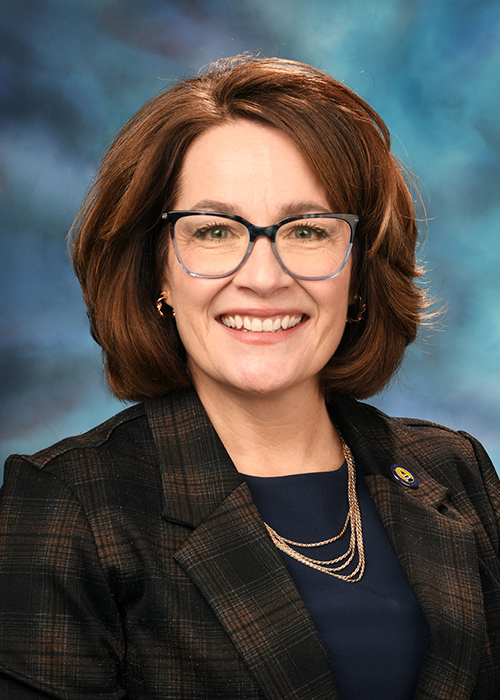
104th Regular Session Introduced by Meg Loughran Cappel and 15 co-sponsors

Illinois SR 158 establishes an official Equal Pay Day to raise awareness about gender wage disparities, though critics note it lacks enforcement mechanisms or substantive workplace protections.

Added as Chief Co-Sponsor Sen. Doris Turner
0
WeVote Research Nonpartisan
Bill Summary · SR 158

Legislative bill overview

SR 158 establishes an official "Equal Pay Day" observance in Illinois, recognizing the wage gap between men and women in the state. The resolution designates a specific day to raise awareness about pay inequity and encourage advocacy for equal compensation practices. This is a symbolic measure rather than substantive legislation creating new legal requirements or enforcement mechanisms.

Why is this important

Equal Pay Day serves as a public awareness tool highlighting that women in Illinois earn less than men on average, requiring them to work additional months into the year to match prior-year male earnings. The observance can stimulate public discourse, inform voters about gender wage disparities, and potentially build political momentum for future substantive pay equity legislation. For advocacy organizations, it provides an official platform to advance conversations about workplace compensation discrimination.

Potential points of contention

  • Symbolic vs. substantive action: Critics may argue that designating a day addresses wage gaps only symbolically without creating actual enforcement tools, workplace protections, or salary transparency requirements that would reduce disparities
  • Scope and accuracy: The resolution doesn't address intersecting factors affecting wage gaps (occupational segregation, caregiving responsibilities, negotiation disparities) or acknowledge that gaps vary significantly by race, age, and industry
  • Cost and resource questions: While minimal, opponents might question whether state resources should fund awareness campaigns when substantive equal pay legislation (like salary history bans or transparency requirements) might achieve greater impact

Compiled from official sources — confirm details with the bill’s official record.

Sign in to ask a question.