

WeVote

Bill

Bill

S 4467

Ensuring Seniors’ Access to Quality Care Act

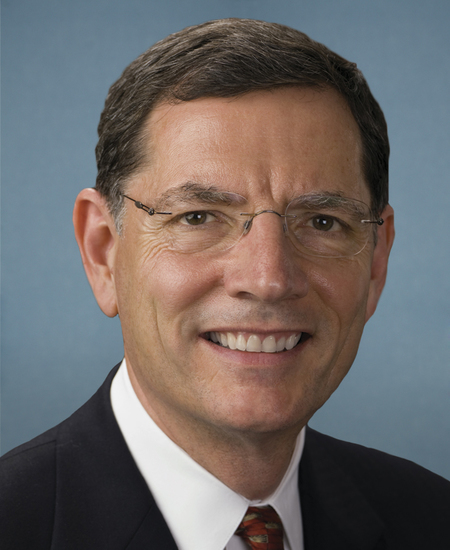
119th Congress Introduced by John Barrasso and 3 co-sponsors

Strengthens nursing facility oversight by disapproving nurse aide training programs for up to two years after substandard care penalties, with tightened credentialing checks via ex

Introduced in Senate
0
WeVote Research Nonpartisan
Bill Summary · S 4467

Overview

  • Bill: S.4467 (119th Congress, 2nd Session)
  • Title: Ensuring Seniors’ Access to Quality Care Act
  • Purpose: Amend titles XVIII (Medicare) and XIX (Medicaid) of the Social Security Act to strengthen nursing facility oversight, increase accountability for nurse aide training and competency evaluation programs, and enhance provider background checks through access to the National Practitioner Data Bank.
  • Introduced: April 30, 2026 (Senators Warner, Scott, Kelly, Barrasso)
  • Status: Referred to the Senate Committee on Finance

Key Provisions

  1. Medicare and Medicaid nurse aide training and competency evaluation programs

    • The bill tightens oversight of nurse aide training and competency evaluation programs (and related programs) at skilled nursing facilities and nursing facilities.
    • Disapproval authority: The Secretary of Health and Human Services, in consultation with the relevant State, may disapprove a nurse aide training and competency evaluation program (or related programs) for up to 2 years if:
      • The facility has been assessed a civil monetary penalty (CMP) of at least $10,697 for substandard quality of care.
      • The facility has not corrected the deficiencies that led to the CMP.
    • Rescission of disapproval: A facility can have the disapproval rescinded if:
      • All deficiencies tied to the CMP have been remedied.
      • The facility has no new direct-patient-harm deficiencies related to substandard quality of care in the prior 2 years.
      • The CMP did not cause immediate jeopardy or abuse/neglect-related harm.
      • The Secretary may require additional oversight for up to the same duration as the disapproval.
  2. Parity in Medicare and Medicaid provisions

    • The same disapproval and rescission framework described above for nurse aide training/competency programs applies to both:
      • Medicare (section 1819(f)(2)) changes
      • Medicaid (section 1919(f)(2)) changes
    • The substantive changes target how States and the federal government oversee nursing facility training programs and related compliance mechanisms.
  3. Regulations timeline

    • The Secretary must issue implementing regulations within 180 days of enactment to carry out these amendments.
  4. Applicability and transition (effective date and scope)

    • Timing: Amendments to CMP-related determinations apply to covered determinations made on or after the date of enactment.
    • Definition of covered determinations: Those by the State or the Secretary finding a facility provided substandard quality of care leading to a CMP under the amended sections.
    • Pre-enactment programs: Facilities with restrictions (prohibitions) under prior law may have those prohibitions waived or rescinded if they have corrected the issues that caused the restriction.
  5. Practitioner data bank access for background checks

    • The bill expands access to the National Practitioner Data Bank for entities performing background checks.
    • Eligible users include Medicare and Medicaid providers and suppliers, in addition to hospitals and other health care entities, ensuring broader use of the data bank for credentialing and pre-employment screening.

Who is Affected

  • Nursing facilities and skilled nursing facilities (SNFs)
  • Nurse aides and their training/compliance programs
  • State Medicaid and Medicare agencies involved in provider oversight
  • Health care providers and suppliers participating in Medicare/Medicaid programs
  • Entities conducting background checks for employment in health care (via expanded NPDB access)

Procedural and Timeline Aspects

  • Regulatory action: HHS must promulgate regulations within 180 days of enactment to implement the amendments.
  • Implementation timeline: Most changes (especially the disapproval/recission framework) would apply to covered determinations made on or after the date of enactment.
  • Oversight duration: Disapprovals and any required corrective oversight may last up to two years, with potential adjustments based on facility performance and corrective actions.

Potential Impacts

  • Increased accountability for nursing facilities with documented substandard care and penalties.
  • Stronger incentives for facilities to remedy deficiencies promptly to avoid or lift disapprovals of nurse aide training and competency programs.
  • More rigorous credentialing processes for health care providers and facilities through expanded NPDB access.
  • States may need to adjust their oversight mechanisms to align with the new disapproval/oversight provisions.

Note: The summary reflects the bill text as introduced and does not reflect any subsequent amendments or legislative actions beyond the provided excerpt.

Compiled from official sources — confirm details with the bill’s official record.

Sign in to ask a question.