

WeVote

Bill

Bill

HR 7258

Energy Emergency Leadership Act

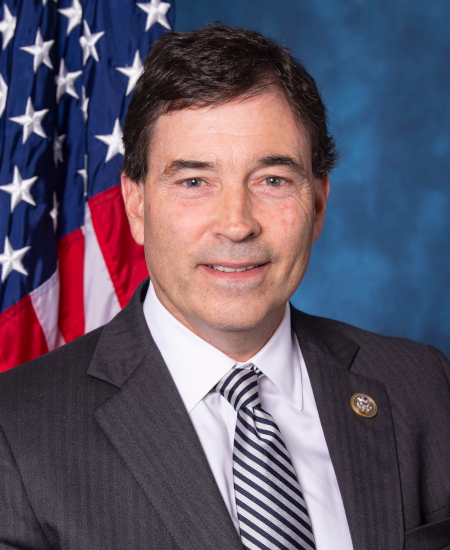
119th Congress Introduced by Troy Balderson and 3 co-sponsors

HR 7258 establishes federal energy emergency leadership structures and coordination protocols to streamline government response to infrastructure failures and supply disruptions.

Motion to reconsider laid on the table Agreed to without objection.
0
WeVote Research Nonpartisan
Bill Summary · HR 7258

Legislative bill overview

HR 7258 establishes new leadership structures and coordination mechanisms within the federal government's energy sector management during emergencies. The bill creates clearer command authority and decision-making protocols for responding to major energy infrastructure failures, supply disruptions, or related crises. It appears designed to streamline governmental response by defining roles across multiple agencies.

Why is this important

Energy emergencies—whether from extreme weather, cyberattacks, or infrastructure failure—can affect millions of Americans' access to power, heating, and water. Clear federal leadership and coordination during such events can reduce response times and minimize economic damage. The bill addresses whether current structures adequately handle coordination between the Department of Energy, FEMA, and other agencies during crises.

Potential points of contention

  • Centralization vs. state authority: Expanding federal emergency energy leadership may conflict with states' traditional roles in utility regulation and emergency management
  • Agency jurisdiction: Clarifying which agency leads could shift power and budget allocations between DOE, FEMA, and other departments, creating bureaucratic winners and losers
  • Implementation costs: New leadership structures and coordination mechanisms require funding, staffing, and training that may burden agencies or require appropriations

Compiled from official sources — confirm details with the bill’s official record.

Sign in to ask a question.