Overview
- Bill: HR 6682 (Endometriosis CARE Act)
- Session: 119th Congress
- Purpose: To advance research, promote awareness, and provide patient support regarding endometriosis, and for other purposes.
- Introduced: December 11, 2025
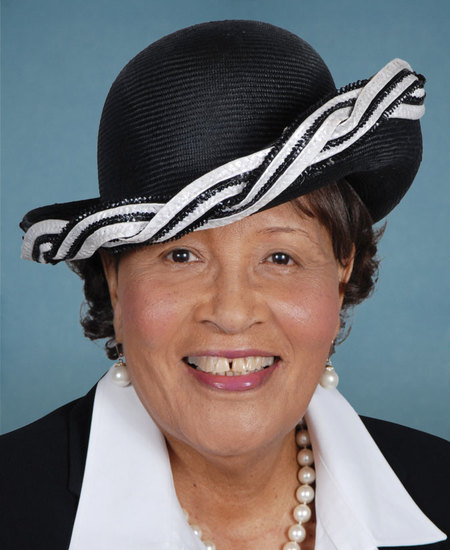
- Primary sponsor(s): Ms. Williams (GA) and multiple co-sponsors
- Status: Referred to the House Committee on Energy and Commerce
Main purpose and intent
The Endometriosis CARE Act seeks to:
- Expand federal efforts to understand endometriosis, improve treatment options, and pursue a potential cure.
- Improve public awareness and education about endometriosis, with attention to underserved communities.
- Support health care providers with information and resources to improve diagnosis and care.
- Identify and address barriers to accessing endometriosis treatments, including insurance coverage and access challenges.
- Stimulate an independent assessment of endometriosis disparities through the National Academies, informing policy actions.
Key provisions and changes
1) Endometriosis Data Collection, Surveillance, and Research
- Creates new Sec. 486C under the Public Health Service Act.
- The NIH Director shall conduct or support data collection, surveillance, and research on endometriosis.
- Funding authorization: $50 million per fiscal year for 2026–2030.
- Authorized uses include:
- Research to improve treatments and pursue a cure.
- Establishing or expanding an internet clearinghouse to catalog existing research, treatments, and information for patients and professionals.
- Other related activities as determined by the Director.
2) Identifying Barriers to Accessing Treatments
- The Secretary shall analyze barriers to accessing endometriosis treatments, including:
- Transportation and healthcare professional shortages.
- Data from Medicaid/CHIP (Title XIX/XXI) and private insurance plans to assess coverage gaps and cost-sharing.
- Data collection from group health plans or issuers and state Medicaid/CHIP programs, disaggregated by demographic characteristics.
- Privacy protections must be observed.
- Deliverables: A report to Congress and public posting within 2 years of enactment.
3) Education and Dissemination of Information
- Establishment of an Endometriosis Public Education Program:
- Focus areas include awareness, incidence/prevalence (with emphasis on racial/ethnic minority and underserved groups), mental health support, and treatment options.
- Dissemination: Information may be shared directly or via partnerships with federal programs, nonprofit groups, higher education institutions, and public-private collaborations.
- Authorization of appropriations: $2 million per fiscal year (FY 2026–2030).
4) Information to Health Care Providers
- The Secretary, in collaboration with professional societies, shall disseminate information to promote evidence-based care for endometriosis, covering:
- Detection and diagnosis
- Patient care and communication
- Related topics
- Authorization of appropriations: $2 million per fiscal year (FY 2026–2030).
5) Endometriosis Disparities Study Through the National Academies
- The Secretary shall seek an agreement with the National Academies within 90 days of enactment to study disparities in endometriosis care.
- Study scope includes disparities by race, ethnicity, geography, primary language, sexual orientation, gender identity, disability status, and insurance status.
- The National Academies will make recommendations to Congress, federal agencies, healthcare professionals, and other stakeholders.
- Deliverable: A public report not later than 24 months after enactment.
- Authorization of appropriations: $500,000.
Who/what would be affected
- Federal agencies: NIH (and the broader Department of Health and Human Services) would coordinate data collection, research, and public education efforts.
- Endometriosis patients and the general public: Increased awareness, improved access to information, and resources.
- Health care providers and health systems: Access to updated, evidence-based guidance and educational materials.
- Insurance entities and Medicaid/CHIP programs: Potential data reporting requirements to assess barriers and disparities.
- National Academies: Engagement for a disparities study with a funded scope.
Timelines and fiscal notes
- Data collection and research activities funded FY 2026–2030: $50 million/year.
- Public education and provider information programs funded: $2 million/year (FY 2026–2030) each.
- Disparities study by the National Academies: $500,000 (one-time) plus ongoing collaboration; report due within 24 months after enactment.
- Analysis of access barriers to be completed and reported within 2 years of enactment.
Potential impact
- Strengthened national research infrastructure for endometriosis, potentially accelerating advances in treatment and cure development.
- Improved data on access barriers and disparities, enabling targeted policy interventions to reduce inequities.
- Expanded public education, especially for underserved populations, and improved patient–provider communication.
- Enhanced provider education could lead to earlier diagnosis and more consistent, evidence-based care.
- The bill establishes a formal federal framework for coordinating research, surveillance, education, and stakeholder engagement around endometriosis.