

WeVote

Bill

Bill

HR 2716

Ending Improper Payments to Deceased People Act

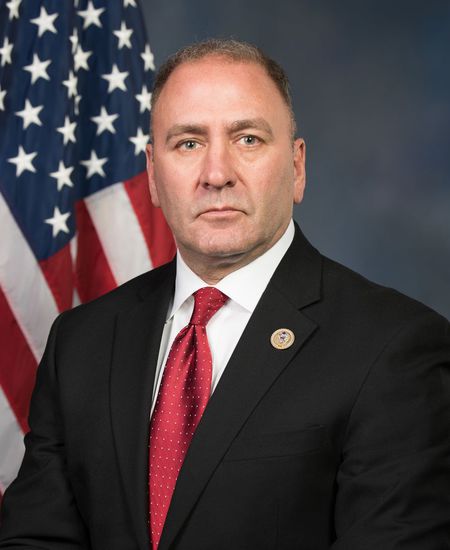
119th Congress Introduced by Clay Higgins and 2 co-sponsors

HR 2716 prevents federal payments to deceased individuals by improving identification processes and data sharing, protecting taxpayer funds and ensuring proper benefit distribution.

Reported (Amended) by the Committee on Ways and Means. H. Rept. 119-426.
0
WeVote Research Nonpartisan
Bill Summary · HR 2716

Summary of HR 2716: Ending Improper Payments to Deceased People Act

Purpose and Intent

The Ending Improper Payments to Deceased People Act (HR 2716) aims to address the issue of improper payments made by federal agencies to individuals who are deceased. The bill seeks to enhance the integrity of federal payment systems by implementing measures that prevent such payments, thereby safeguarding taxpayer dollars and ensuring that benefits are only distributed to eligible recipients.

Key Provisions

  • Identification of Deceased Individuals: The bill mandates federal agencies to improve their processes for identifying deceased individuals in order to prevent improper payments.
  • Data Sharing: It encourages the sharing of data among federal agencies, state agencies, and other relevant entities to create a more comprehensive database that can be used to verify the status of individuals receiving federal payments.
  • Reporting Requirements: Agencies will be required to report on the effectiveness of their efforts to reduce improper payments to deceased individuals, ensuring accountability and transparency.
  • Implementation Timeline: The bill outlines a timeline for agencies to implement these measures, although specific dates are not detailed in the current version.

Affected Parties

  • Federal Agencies: Agencies responsible for disbursing payments, such as Social Security, Medicare, and other benefit programs, will be directly impacted as they will need to adjust their processes and systems.
  • Taxpayers: By reducing improper payments, taxpayers may see a more efficient use of federal funds, potentially leading to savings in government spending.
  • Beneficiaries: Individuals currently receiving benefits may experience changes in how their eligibility is verified, particularly if they are near the age of eligibility or have recently lost a family member.

Legislative Process

  • Introduced: The bill was introduced in the House on April 8, 2025.
  • Referred to Committee: Following its introduction, HR 2716 was referred to the House Committee on Ways and Means for further consideration.
  • Companion Bill: There is a related companion bill, S 269, which is being considered in the Senate, indicating a bipartisan interest in addressing this issue.

Conclusion

HR 2716 represents a proactive approach to tackling the problem of improper payments to deceased individuals. By enhancing data sharing and reporting requirements among federal agencies, the bill aims to protect taxpayer funds and ensure that federal benefits are distributed appropriately. As the bill progresses through the legislative process, its implications for federal payment systems and beneficiaries will become clearer.

Compiled from official sources — confirm details with the bill’s official record.

Sign in to ask a question.