

WeVote

Bill

Bill

S 4390

Ending Discrimination in Government Contracting Act

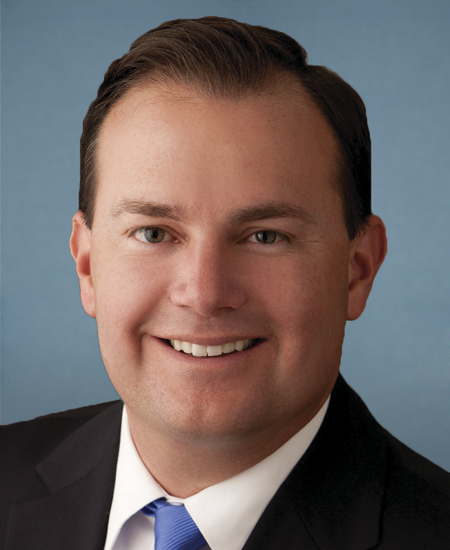
119th Congress Introduced by Mike Lee

End the use of race, ethnicity, and sex-based preferences in federal contracting and remove related targets, reporting, and classifications.

Introduced in Senate
0
WeVote Research Nonpartisan
Bill Summary · S 4390

Summary of Bill: Ending Discrimination in Government Contracting Act (S.4390, 119th Congress)

Note: This summary focuses on the bill’s main purpose, substantive provisions, affected parties, and key procedural/timeframe aspects based on the introduced text.

Purpose and Intent

  • Title: Ending Discrimination in Government Contracting Act.
  • Core aim: Eliminate preferences and targeted participation goals for disadvantaged individuals, HUBZone small businesses, women-owned businesses, and other historically targeted groups in federal government contracting and related programs.
  • Scope: Applies to civilian contracts, defense contracts, and a broad range of federal programs and reporting requirements that historically recognized or favored certain disadvantaged groups.

Key Provisions and Changes

1) Amendments to Small Business Act and Related Statutes

  • Repeals and removals of diversity/disadvantaged preferences:

    • Repeals subsection (f) of Small Business Act, and removes reference to “socially and economically disadvantaged individuals” in certain places.
    • Alters definitions and reporting requirements related to small business owned/controlled by disadvantaged groups, including removing or narrowing categories like women-owned, minority-owned, and other historically targeted groups.
    • Replaces or reduces emphasis on group-based preferences in multiple sections (e.g., sections 2, 7, 8, 9, 15, 16 of the Small Business Act and related provisions).
  • HUBZone and other small business classifications:

    • Substantially narrows or repeals several references to HUBZone, socially/economically disadvantaged status, and women-owned designations.
    • Redefines “small business concern” for contract purposes and consolidates or removes several subparagraphs and categories.
  • Repeals/renames multiple programs and provisions:

    • Repeals or consolidates elements of programs under the Minority Business Development Act, Small Business Economic Policy Act, Small Business Investment Act, and related acts.
    • Affects definitions and priority rules tied to disadvantaged groups and HUBZone status.

2) End to Preferences in Various Federal Programs

  • Federal procurement and acquisition programs:

    • Adds a broad prohibition on racial, ethnic, and sex-based preferences in government contracts and awards (civilian and defense).
    • New sections (e.g., proposed 4715 in Chapter 47 of Title 41; 4663 in Chapter 363 of Title 10) forbid consideration of race, ethnicity, and sex of owners/managers in awarding contracts or imposing related requirements.
    • Requires prohibiting or removing guidance, rules, or directives that require or encourage such status-based considerations.
  • Racial, ethnic, and sex-based contracting goals:

    • Section 4 and related provisions eliminate reporting and goal-setting on these demographics in various programs (e.g., reporting in Federal programs, and related environmental and energy program references).

3) Executive Agencies’ Rulemaking and Guidance

  • Rulemaking timeline:

    • Agencies must submit proposed rulemaking to remove references that require or encourage consideration of race/ethnicity/sex within 60 days of enactment.
    • Complete rulemaking within 180 days of enactment.
  • Guidance and directives:

    • Agencies must issue new guidance/removals within 60 days to remove such references from directives, notices, or guidance documents.

4) Sectors Affected

  • Civilian contracts and defense contracts at federal level.
  • Programs across agencies that currently prioritize or track disadvantaged business status, HUBZone status, women-owned businesses, and similar categories.
  • Several acts and sections across:
    • Small Business Act
    • American Rescue Plan Act
    • Consolidated Appropriations/Other related statutes
    • Energy Policy Acts and Export-Import Bank Act
    • Federal Acquisition Regulation/Acquisition-related statutes

Who Would Be Affected

  • Disadvantaged business classifications (including HUBZone, women-owned, minority-owned, and other historically targeted status groups) would see a reduction or elimination of preferential treatment in federal contracting.
  • Federal agencies and contracting offices would shift away from race/ethnicity/sex-based procurement goals and reporting.
  • Small businesses currently relying on set-asides or preferences tied to these classifications would experience changes in eligibility, scoring, and priority considerations.
  • Programs and advisors previously tasked with administering or promoting disadvantaged business programs would be dissolved, consolidated, or repurposed.

Procedural and Timeline Aspects

  • Introduction: April 27, 2026, by Sen. Mike Lee (sponsor).
  • Action history: Read twice and referred to the Senate Committee on Homeland Security and Governmental Affairs.
  • Required rulemaking: Within 60 days of enactment to remove references; final rulemaking to be completed within 180 days.
  • Guidance/Notices update: Agencies must issue updated guidance within 60 days of enactment.

Practical Considerations

  • If enacted, the bill would substantially reform federal contracting by removing or consolidating race/ethnicity/sex-based preferences and reporting structures.
  • The expansion of rulemaking timelines indicates a phased approach to removing references and implementing new contracting standards.
  • The bill’s broad recalibration of “disadvantaged” categories could affect many existing small business programs, federal procurement goals, and related economic policy programs.

If you’d like, I can provide a side-by-side comparison of current law vs. S.4390 provisions for specific sections or agencies.

Compiled from official sources — confirm details with the bill’s official record.

Sign in to ask a question.