

WeVote

Bill

Bill

HR 417

End U.N. Censorship Act

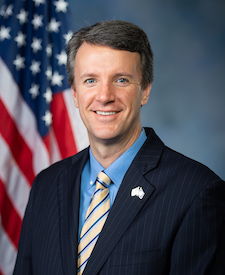
119th Congress Introduced by Ben Cline and 5 co-sponsors

The End U.N. Censorship Act prohibits U.N. censorship, promotes free speech, and holds U.N. officials accountable, enhancing protections for member states and civil society.

Introduced in House
0
WeVote Research Nonpartisan
Bill Summary · HR 417

Summary of HR 417: End U.N. Censorship Act

Bill Number: HR 417
Title: End U.N. Censorship Act
Status: Introduced in House
Introduced On: January 15, 2025
Classification: Bill

Purpose and Intent

The End U.N. Censorship Act aims to address concerns regarding perceived censorship practices within the United Nations (U.N.) and its affiliated bodies. The bill seeks to promote freedom of expression and ensure that member states, organizations, and individuals can voice their opinions without fear of censorship or retribution from U.N. entities.

Key Provisions

While the full text of the bill is not provided, the following key provisions can be anticipated based on the title and legislative intent:

  • Prohibition of Censorship: The bill likely includes measures to prohibit the U.N. from engaging in practices that restrict or censor speech, particularly in relation to political, social, or cultural issues.

  • Accountability Mechanisms: It may establish accountability measures for U.N. officials and bodies that are found to engage in censorship, potentially including reporting requirements or oversight by member states.

  • Promotion of Free Speech: The bill could include provisions that encourage the U.N. to promote free speech initiatives and support member states in upholding freedom of expression.

Affected Parties

The End U.N. Censorship Act would primarily affect:

  • U.N. Member States: Countries that are part of the U.N. system may need to adjust their policies and practices in alignment with the bill's provisions.

  • U.N. Officials and Bodies: Individuals and organizations within the U.N. framework may face new guidelines and accountability measures regarding their handling of speech and expression.

  • Civil Society Organizations: Non-governmental organizations (NGOs) and advocacy groups that operate within or alongside the U.N. may benefit from enhanced protections for free speech.

Procedural Aspects

  • Committee Review: The bill was referred to the House Committee on Foreign Affairs on the same day it was introduced (January 15, 2025). This committee will review the bill, hold hearings, and potentially make amendments before it is brought to the floor for a vote.

  • Next Steps: Following committee review, the bill may be scheduled for debate and voting in the House of Representatives. If passed, it would then move to the Senate for consideration.

Conclusion

The End U.N. Censorship Act represents a legislative effort to combat censorship within the U.N. and promote free expression on a global scale. As the bill progresses through the legislative process, its implications for international relations and the functioning of the U.N. will become clearer.

Compiled from official sources — confirm details with the bill’s official record.

Sign in to ask a question.