

End Tobacco Loopholes Act
The End Tobacco Loopholes Act closes tax loopholes, enhances FDA oversight, and protects youth, aiming to reduce tobacco use and improve public health.
The End Tobacco Loopholes Act (HR 1798) aims to address and close existing loopholes in tobacco regulation that allow certain products to evade taxation and regulatory scrutiny. The bill seeks to enhance public health by reducing tobacco use, particularly among youth, and ensuring that all tobacco products are subject to the same regulatory standards.
The bill includes several significant provisions designed to strengthen tobacco control measures:
Taxation Adjustments: HR 1798 proposes to eliminate tax exemptions for specific tobacco products that are currently not subject to the same tax rates as traditional cigarettes. This includes products such as e-cigarettes and other vaping devices.
Regulatory Oversight: The legislation aims to expand the authority of the Food and Drug Administration (FDA) to regulate all tobacco products uniformly. This includes establishing stricter guidelines for marketing, labeling, and sales practices.
Youth Protection Measures: The bill includes provisions to enhance protections against youth access to tobacco products. This may involve stricter age verification processes and penalties for retailers who fail to comply.
Public Awareness Campaigns: HR 1798 calls for funding to support public health campaigns aimed at educating the public about the dangers of tobacco use and the importance of quitting.
The End Tobacco Loopholes Act would primarily impact:
Tobacco Manufacturers: Companies producing tobacco products would need to adjust their pricing and marketing strategies to comply with new regulations and tax structures.
Retailers: Businesses selling tobacco products would face increased compliance requirements and potential penalties for violations.
Public Health Organizations: These groups may receive additional funding to support anti-tobacco initiatives and educational campaigns.
Consumers: The bill is expected to affect consumers by potentially increasing the cost of tobacco products and limiting access to certain items, particularly for youth.
The bill is sponsored by:
- Raja Krishnamoorthi (Primary Sponsor)
- Eleanor Holmes Norton (Cosponsor)
- Debbie Wasserman Schultz (Cosponsor)
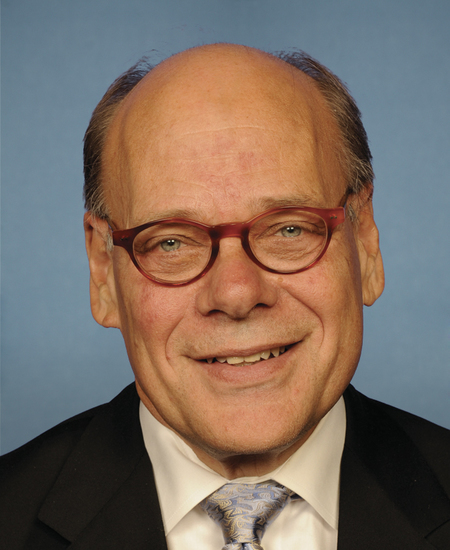
- Steve Cohen (Cosponsor)
HR 1798 has a companion bill in the Senate, S 819, which addresses similar issues regarding tobacco regulation.
This summary provides a clear overview of HR 1798, outlining its purpose, key provisions, and potential impact on various stakeholders. The bill represents a significant step towards comprehensive tobacco control in the United States.
Hi! I'm your AI assistant for HR 1798. I can help you understand its provisions, impacts, and answer any questions.
We're glad to see you!
New to WeVote? Claim your Voter Profile now!
Are you an elected rep? Claim account
Join thousands of verified voters to weigh in.
Already have an account? Log in
Are you an elected rep? Claim account
No worries! Enter your email and we'll send you reset instructions.
Remember your password? Back to Login
Your email address has not been confirmed yet. Please check your inbox or request a new confirmation link below.
Didn't receive the email?
Already confirmed? Back to Login
You need to take action to continue.
You're currently in
Joining this room will disconnect you from the current one.
The meeting has ended.