

WeVote

Bill

Bill

HRES 1238

Encouraging greater public-private sector collaboration to promote financial literacy for students and young adults.

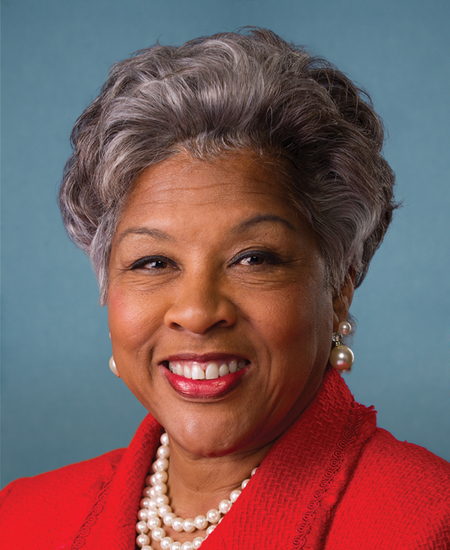
119th Congress Introduced by Joyce Beatty and 2 co-sponsors

Promotes public-private collaboration to expand accessible, evidence-based financial literacy programs for students and young adults in schools and communities.

Submitted in House
0
WeVote Research Nonpartisan
Bill Summary · HRES 1238

Summary of HRES 1238 (119th Congress) — Encouraging greater public-private sector collaboration to promote financial literacy for students and young adults

Overview

HRES 1238 is a House of Representatives concurrent resolution that aims to promote increased collaboration between public and private sectors to advance financial literacy among students and young adults. A concurrent resolution, unlike a bill, does not itself become law but expresses the sense of Congress or outlines objectives and guidance for federal agencies, programs, and stakeholders. The resolution was introduced and referred to the House Committee on Financial Services on April 30, 2026. It has three named co-sponsors: Joyce Beatty, Bill Foster, and Nydia Velázquez.

Purpose and intent

  • Articulate a federal objective to enhance financial literacy for young people, with emphasis on students and young adults.
  • Encourage coordination and partnerships among government entities, financial institutions, educational institutions, non-profit organizations, and other private-sector stakeholders to expand access to financial education resources and programs.
  • Promote initiatives that build financial capability, including budgeting, saving, credit, debt management, investing basics, and consumer protection awareness.
  • Support scalable, evidence-based approaches and public-private programs that can be implemented in schools, higher education settings, community organizations, and workforce development contexts.

Key provisions and changes (provisions are guidance-oriented, typical of a resolution)

  • Reaffirmation of the federal interest in improving financial literacy outcomes for youth and young adults.
  • Call for increased collaboration among:
    • Federal, state, and local government entities to host and promote financial literacy programs.
    • Private sector institutions (e.g., banks, fintechs, employers) to contribute resources, expertise, and curricula.
    • Educational institutions (K-12, colleges, vocational programs) to integrate financial education into existing coursework and student support services.
    • Non-profit and community organizations to deliver outreach and tutoring, particularly in underserved communities.
  • Promotion of public awareness campaigns and professional development for educators to effectively teach financial literacy.
  • Encouragement of data collection and evaluation to identify effective programs and share best practices, while respecting privacy and regulatory constraints.
  • Emphasis on accessible resources:
    • Age-appropriate curricula for different education levels.
    • Digital tools and platforms to reach students and young adults.
    • Multilingual and culturally responsive materials to serve diverse populations.

Who would be affected

  • Students and young adults, especially those without robust financial literacy foundations.
  • Educational institutions (K-12 schools, colleges, universities, vocational training programs) as potential hosts and implementers of curricula and programs.
  • Public agencies at the federal, state, and local levels involved in education, workforce development, and consumer protection.
  • Private-sector entities (financial institutions, fintech companies, employers, and corporate sponsors) that participate in partnerships, provide resources, or help design curricula.
  • Non-profit and community-based organizations that deliver financial literacy programming.

Procedural and timeline aspects

  • Referral: The measure was referred to the House Committee on Financial Services on April 30, 2026.
  • Status: Submitted in the House on April 30, 2026; as a concurrent resolution, it serves to express Congressional intent and to guide future actions rather than to enact new law.
  • Timeline details: The resolution would typically inform federal agencies and stakeholders of priority areas and foster collaborative initiatives. Implementation timelines would depend on subsequent actions by federal agencies, potential accompanying legislation, and budgetary processes, if applicable.

Remarks

  • The resolution emphasizes cross-sector collaboration and scalable, evidence-based approaches to improve financial literacy among youth.
  • Specific funding levels, programs, or regulatory changes are not detailed within the text of a typical concurrent resolution; instead, it sets a policy direction and encourages partnerships and program development.
  • Co-sponsors indicate bipartisan support for engaging public-private resources to bolster financial education.

If you’d like, I can compare this resolution to prior financial literacy initiatives or draft a briefing memo outlining potential programs that could emerge under its guidance.

Compiled from official sources — confirm details with the bill’s official record.

Sign in to ask a question.