

WeVote

Bill

Bill

HRES 1468

Encouraging Congress to pursue reforms to ensure that all United States citizens contribute to funding the operations of the Federal Government in proportion to the economic gains they realize.

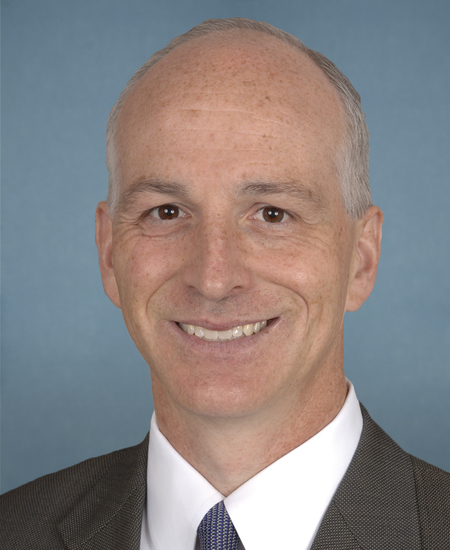
119th Congress Introduced by Adam Smith

The bill urges reforms so federal funding is proportional to realized economic gains for all income sources, tightening capital gains wealth taxation and equity.

Submitted in House
0
WeVote Research Nonpartisan
Bill Summary · HRES 1468

Summary of H.R. 1468 (119th Congress) – "Encouraging Congress to pursue reforms to ensure that all United States citizens contribute to funding the operations of the Federal Government in proportion to the economic gains they realize"

Purpose and intent

  • The resolution expresses the view that the current federal tax system inadequately aligns contributions to federal funding with individuals’ economic gains.
  • It calls for reforms so that all U.S. citizens contribute to funding federal operations in proportion to the economic gains they realize.
  • It requests the House Committee on Ways and Means to hold hearings examining the disparities between wage income taxation and capital-derived wealth taxation.

Key provisions and changes proposed

  • The bill is a nonbinding resolution; it does not by itself enact policy or create new taxes.
  • It:
    • Finds that the current tax code applies consistent treatment to income regardless of source in a theoretical sense but notes real-world disparities in reporting, verification, and taxation between wage income and capital gains.
    • Encourages Congress to pursue reforms so that funding the federal government is proportional to realized economic gains, regardless of income source.
    • Encourages the House Ways and Means Committee to hold hearings on the disparate tax treatment of wage income versus capital-derived wealth under current law.
  • The text highlights several background issues it seeks to address, including:
    • The national debt level and concerns about tax revenue adequacy.
    • Wealth concentration, the concentration of wealth in the top percentiles, and the limitations of the current tax base.
    • Tax advantages and reporting gaps related to capital gains, unrealized gains, asset-based wealth, and new asset classes (e.g., digital assets/cryptocurrency).
    • The role of charitable giving vehicles and private foundations in tax relief without guaranteed public benefit disbursement.
    • The narrowing of the estate tax and its impact on wealth concentration.
    • Perceived misalignment between wage-based taxation (which funds much of federal revenue) and capital-based wealth taxation.

Who or what would be affected

  • Although the bill itself is nonbinding, its framing seeks to influence policy discussions around:
    • The overall federal tax structure and its equity between wage income and capital income.
    • Potential reforms to reporting, verification, and taxation of capital gains, wealth, and non-wage sources of income.
    • The scope and rules governing charitable giving vehicles, estate taxes, and the taxation of asset-derived gains.
    • The Committee on Ways and Means, which would host hearings and consider reforms.

Procedural and timeline aspects

  • Bill type: Nonbinding concurrent/House resolution (H.Res. 1468) requesting action and hearings.
  • Status: Introduced July 30, 2026, and referred to the House Committee on Ways and Means.
  • Sponsor: Rep. Adam Smith (co-sponsor listed as well; the primary sponsor is Rep. Smith of Washington).
  • Next steps if advanced: Committee hearings and consideration of potential legislative proposals to reform tax policy to align contributions with realized economic gains. As a resolution, passage would express the intent of the House but would not enact policy by itself.

Notable details

  • Highlights the size of the national debt and the distribution of federal revenue sources (income taxes, payroll taxes) to frame the debate on tax equity.
  • Emphasizes concerns about how wealth accumulation, capital gains, and new asset classes circumvent traditional wage-based taxation and reporting.
  • Calls for greater transparency and uniformity in taxation across income sources to maintain public confidence in tax fairness.

Compiled from official sources — confirm details with the bill’s official record.

Sign in to ask a question.